Description
Negative Battery Cable for Citroën and Peugeot Vehicles
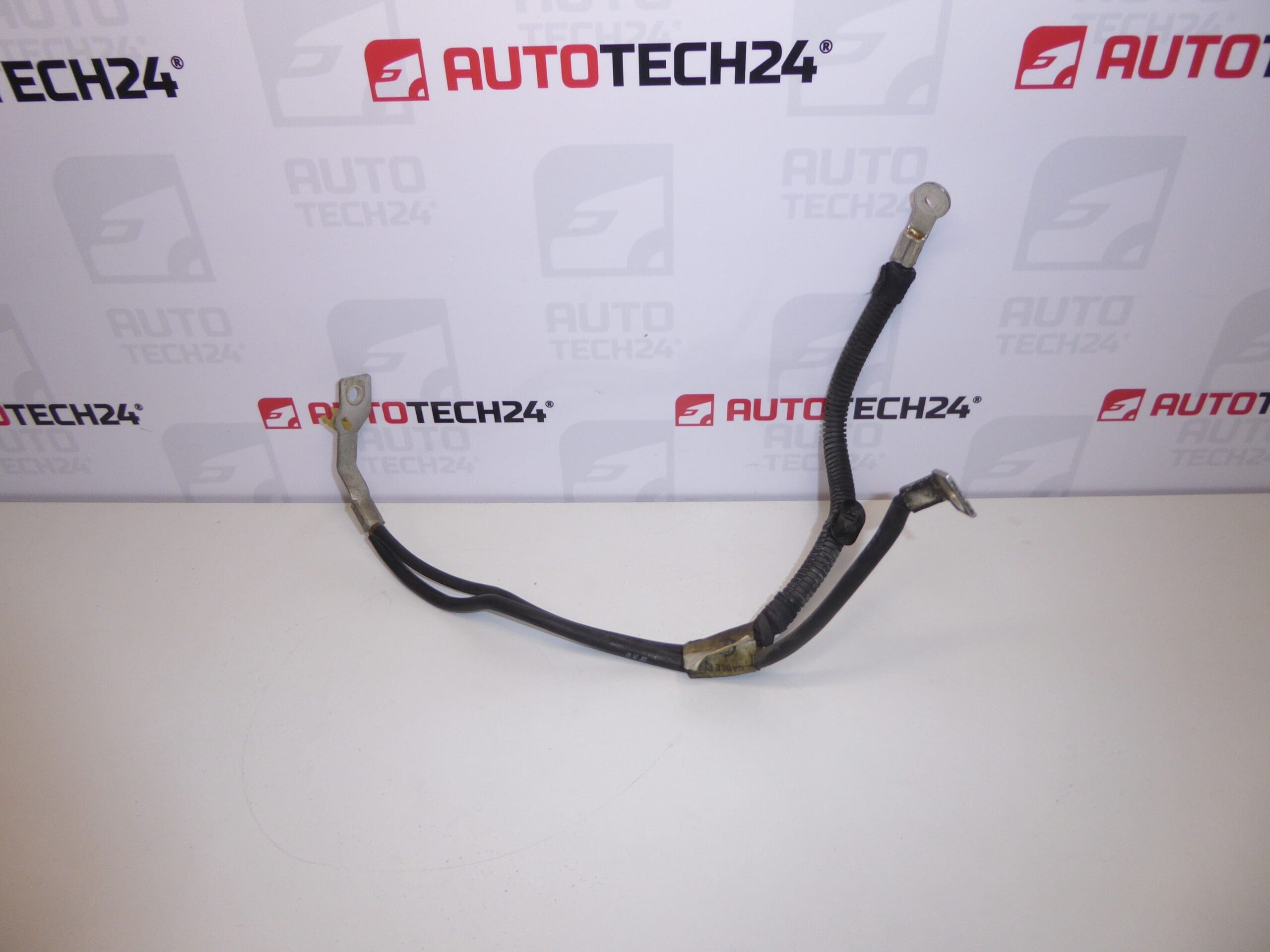
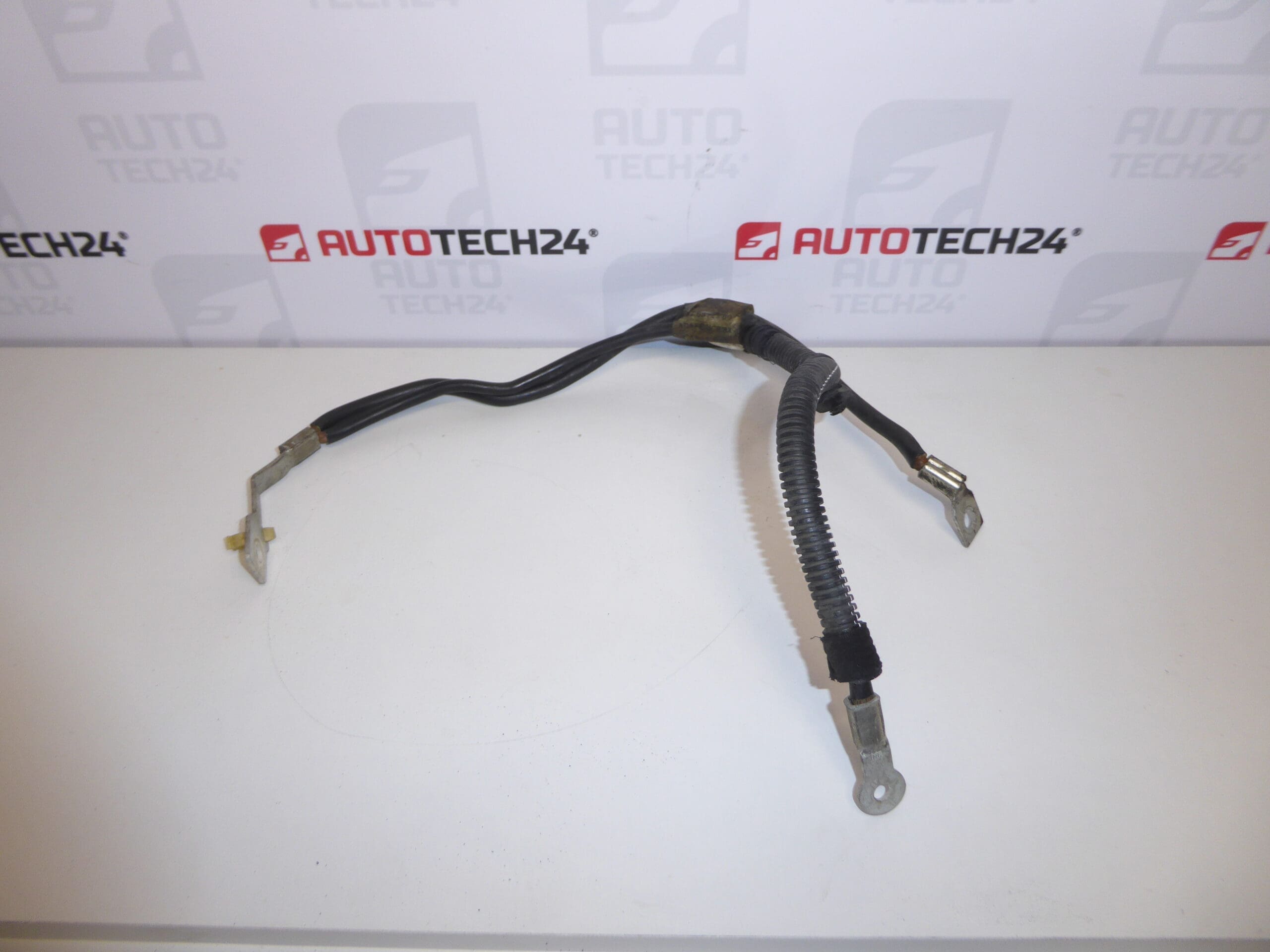
This heavy‑duty negative battery cable is designed for Citroën and Peugeot vehicles and carries the high current required for reliable starting and charging. OE cross‑reference numbers included make it easy to find the exact replacement: 9676812380, 9802871680, 5638PQ. Built to restore a solid ground connection between the battery negative terminal and the vehicle chassis/engine, this cable is a direct solution for poor starts, intermittent charging faults and unstable vehicle electrics caused by degraded grounding.
Technical Information
- Manufacturer: Stellantis (Citroën / Peugeot)
- Model(s): Citroën C4 II; Citroën C4 Picasso; Peugeot 308
- Product Codes: 9676812380; 9802871680
- Additional Numbers: 5638PQ
Features And Function
The negative battery cable provides the main ground path for the vehicle electrical system. It must carry the high cranking current from the starter motor back to the battery and ensure a low‑resistance connection for the charging circuit and vehicle electronics. A correct, tight and corrosion‑free connection prevents voltage drops, starter motor sluggishness, erratic charging and a range of electrical error messages.
Fitment And Compatibility
Designed as a direct fit replacement for the listed Citroën and Peugeot models and referenced by the OE numbers above. Many technicians and DIYers search by part number, so the listed product codes are included to help find the correct item quickly. Verify physical match (length, terminal types and routing) against the original cable when replacing.
Installation Recommendations
- Always disconnect the battery before beginning any electrical work. Remove the negative terminal first to eliminate the risk of short circuits.
- Tools typically required: socket/ratchet set, spanners, wire brush or terminal cleaner, torque wrench (if available), and dielectric grease or anti‑corrosion compound.
- Remove the old cable, inspect the battery terminal, chassis ground point and mating surfaces for corrosion or damage. Clean contact surfaces thoroughly until bright metal is visible.
- Route the new cable following the original path, secure with existing clips and retainers to prevent chafing against hot or moving parts.
- Fit terminals squarely and tighten to a firm, secure fit. If manufacturer torque specifications are available, use them; otherwise ensure clamps are tight enough to eliminate play but avoid over‑torquing that could damage terminals.
- Apply a thin coat of dielectric grease to the terminals to slow future corrosion, then reconnect the battery (positive first if it was removed, negative last).
- After installation, verify proper engine start and check charging system voltage to confirm restored grounding (battery voltage ~12.6 V at rest; charging voltage typically 13.8–14.6 V with engine running).
Why This Part Most Commonly Fails
- Corrosion at cable ends or terminal clamps caused by moisture and battery acid exposure, increasing electrical resistance.
- Mechanical wear from vibration, chafing or improper routing that damages insulation or conductor strands.
- Loose or poorly seated terminals that lead to heat build‑up and accelerated failure.
- Battery leakage or age accelerating corrosion and degrading the conductor and terminal interfaces.
- Thermal degradation when routed too close to exhaust or other heat sources.
Replacing a worn or damaged negative battery cable restores reliable starting and charging performance and prevents a wide range of intermittent electrical faults. Use the OE numbers above to confirm fit and ensure correct routing and secure connections during installation.