Description
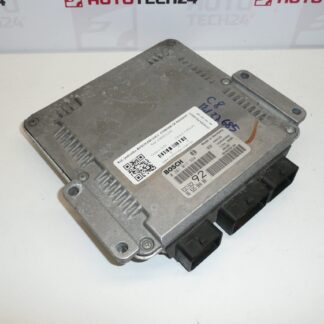
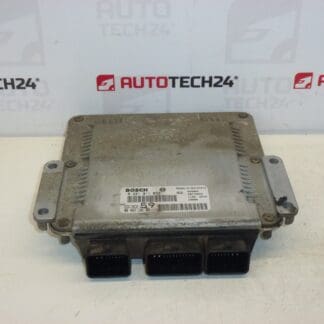
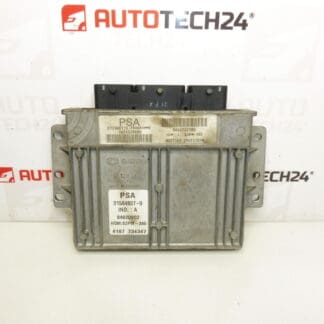
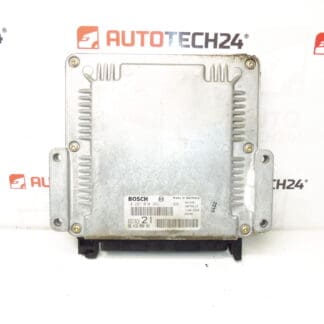
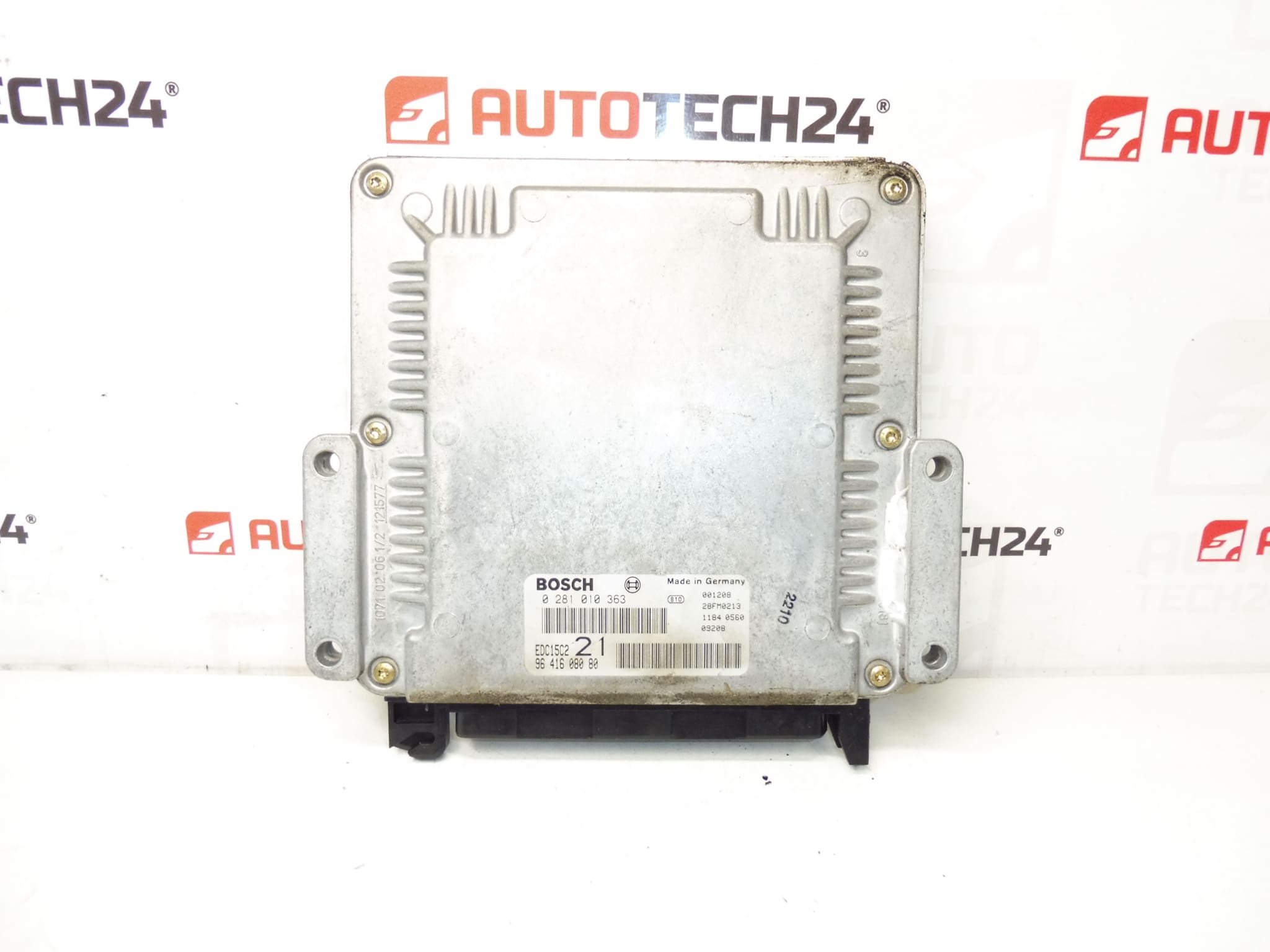
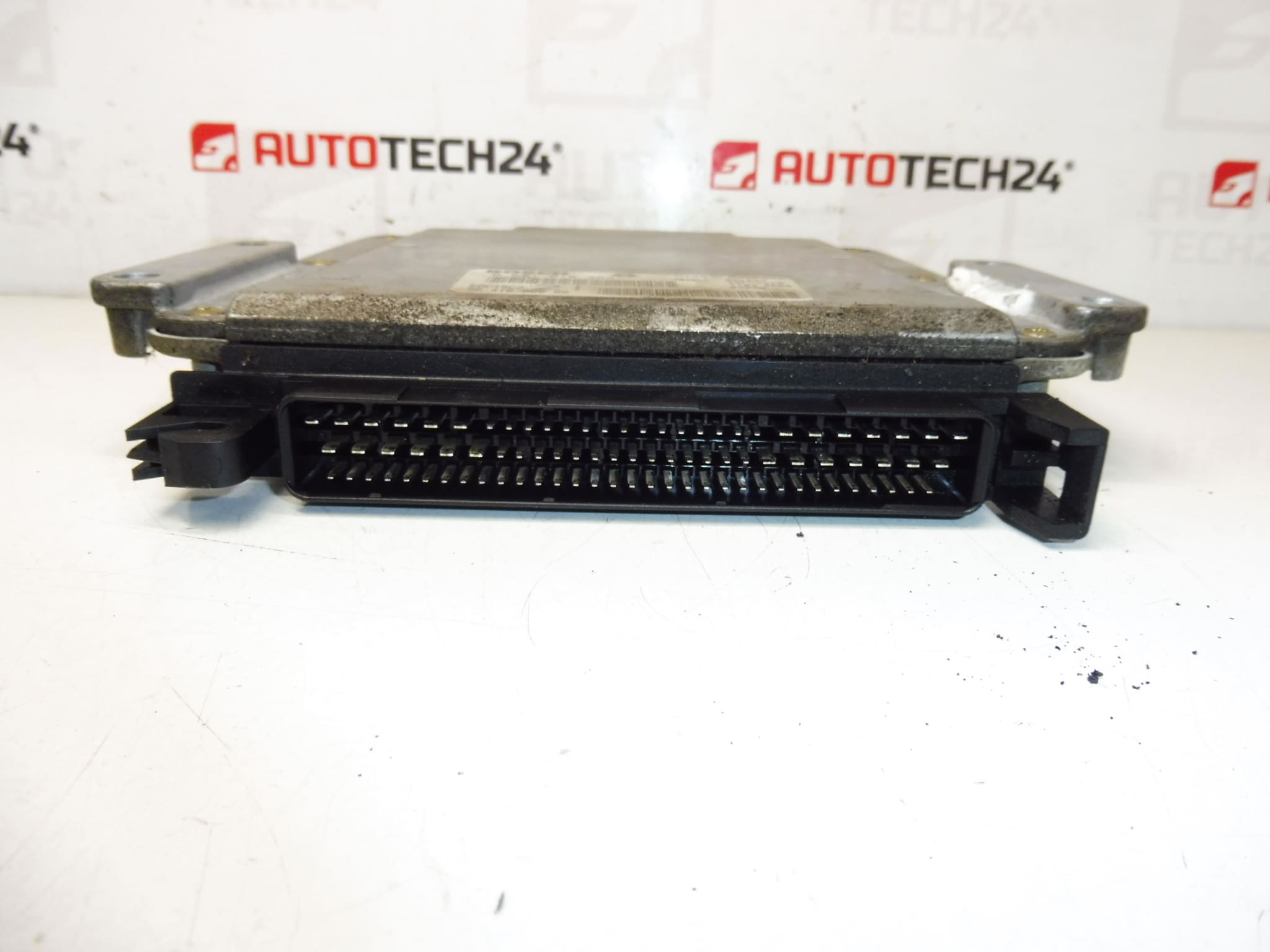
Bosch EDC15C2 Injection Control Unit from a Peugeot 406 2.0 HDi (RHZ)
Overview
This Bosch EDC15C2 engine control unit (ECU) is a direct-fit control module commonly found on Peugeot 406 2.0 HDi engines with RHZ engine code. Frequently referenced by part numbers 0281010363, 9641608080 and internal codes such as 1938S4, 1940N4 and 1940N6, this ECU manages fuel injection, turbocharging and engine sensors on early common‑rail HDi diesel engines. Ideal for professional workshops and competent DIY mechanics looking for a reliable replacement unit, the listing contains the most searched product codes to help fast identification during repairs.
Technical Information
- Manufacturer: Bosch
- Model: EDC15C2 / Fitment: Peugeot 406 2.0 HDi (RHZ)
- Product Codes: 0281010363
- Additional Numbers: 9641608080, 1938S4, 1940N4, 1940N6, 281010363
Function And Symptoms
The EDC15C2 ECU controls high‑pressure common‑rail fuel delivery, injection timing, boost management and processes inputs from crankshaft/cam sensors, MAP/boost sensors, temperature sensors and injector feedback. When faulty, typical symptoms include engine not starting, erratic idling, reduced power or limp‑home mode, increased fuel consumption and error codes related to injection control or communication faults on diagnostic readers.
Replacement Process
Replacement of the ECU should follow careful, step‑by‑step procedure: always disconnect the negative battery terminal before beginning work, de‑energize the vehicle and wait a few minutes to ensure capacitors discharge. Remove protective covers and unplug wiring harness connectors by releasing retaining clips, then unbolt the unit from its mounting bracket. Take care not to pull on wiring or damage connector pins. After physical installation, the unit will normally require data cloning or coding to match the vehicle immobiliser and engine parameters before full operation.
Installation And Coding – Important
- The unit is used and is “paired” with the original vehicle (VIN/PIN/keys).
- Options for commissioning:
- Cloning data from the old unit (EEPROM/Flash) – after cloning the unit is plug and play.
- Virginization and subsequent initialization/telecoding via DiagBox (or online) + key adaptation.
- Recommended to be carried out by a specialist with PSA service equipment (DiagBox/Lexia/PP2000).
- Before removal/installation always disconnect the battery and follow the manufacturer’s procedure to avoid damaging the unit.
Installation Recommendations
- Work In A Clean, Dry Area: Protect the ECU from moisture and contaminants during handling.
- Use Proper Tools: Avoid deforming connector locks; use small picks or plastic tools if needed.
- Handle Electronics Carefully: Do not open the ECU housing or touch exposed circuit boards.
- Grounding And Power Precautions: Ensure battery is disconnected and remain aware of possible stored energy in capacitors.
- Professional Coding: For full functionality and immobiliser matching, cloning or coding with PSA diagnostic tools is recommended.
Most Common Failure Causes
- Water Ingress And Corrosion: Moisture reaching connectors or housing leads to shorts and connector failures.
- Thermal Stress And Solder Joint Fatigue: Repeated heating and cooling cycles can cause cracked solder joints on the board.
- Electrical Surges And Poor Battery Connections: Voltage spikes, jump starts or bad grounds can damage internal components.
- Environmental Contaminants: Oil, dirt or chemical exposure accelerates degradation of connectors and seals.
Compatibility Notes
This ECU is commonly associated with Peugeot/Citroën HDi engines of the same generation and is frequently searched by the part numbers listed above. Always compare the product codes on your existing unit with the numbers shown in the Technical Information section to confirm correct match before installation.