Description
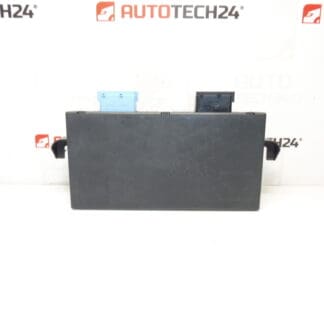
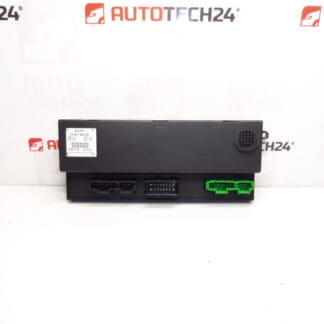
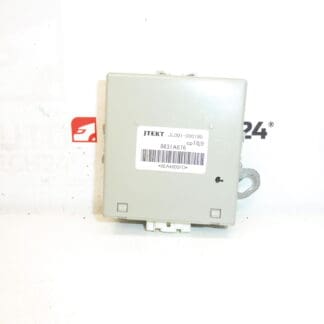
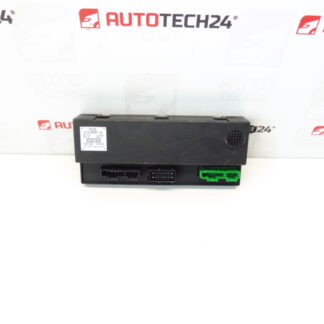
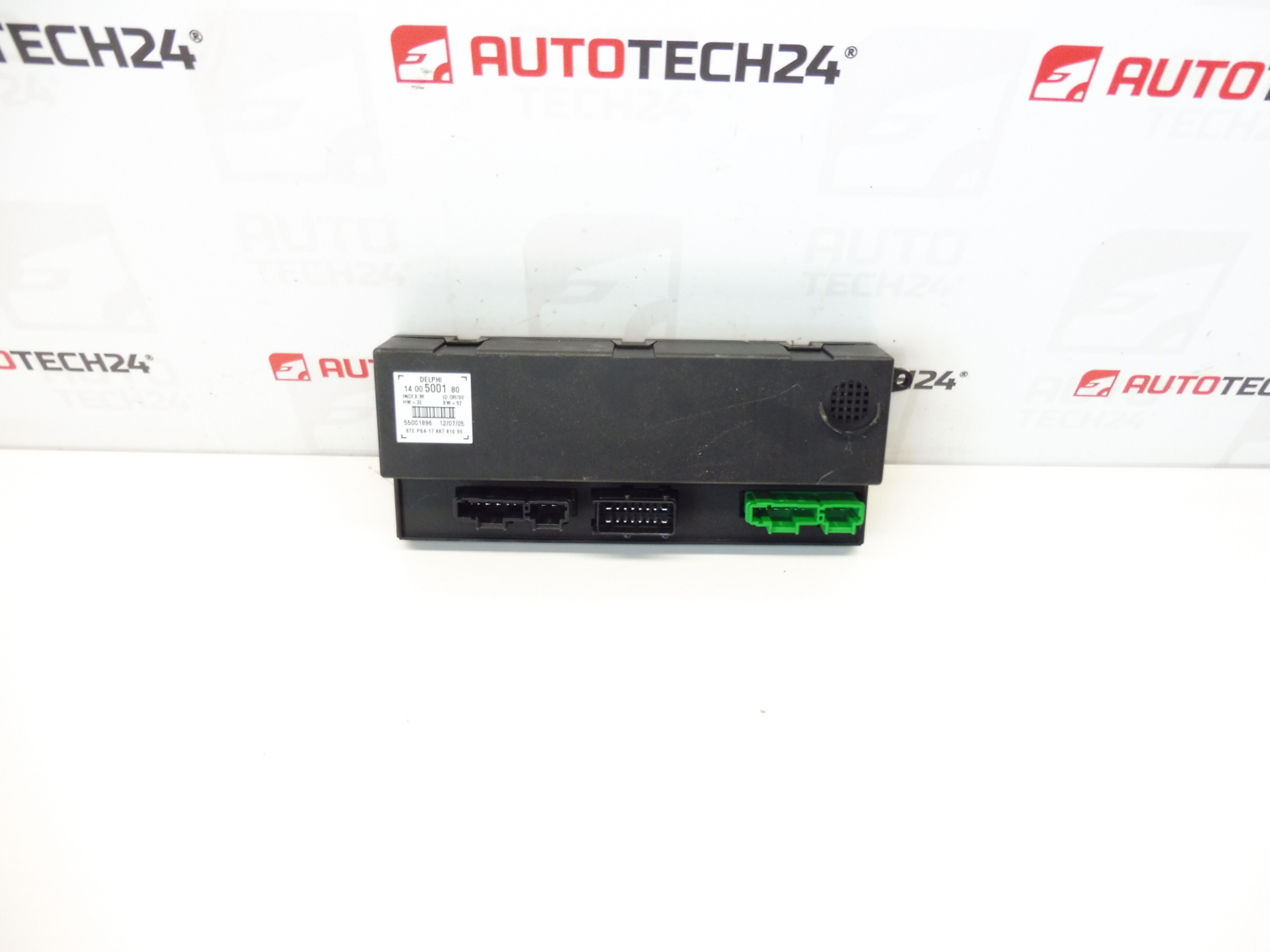
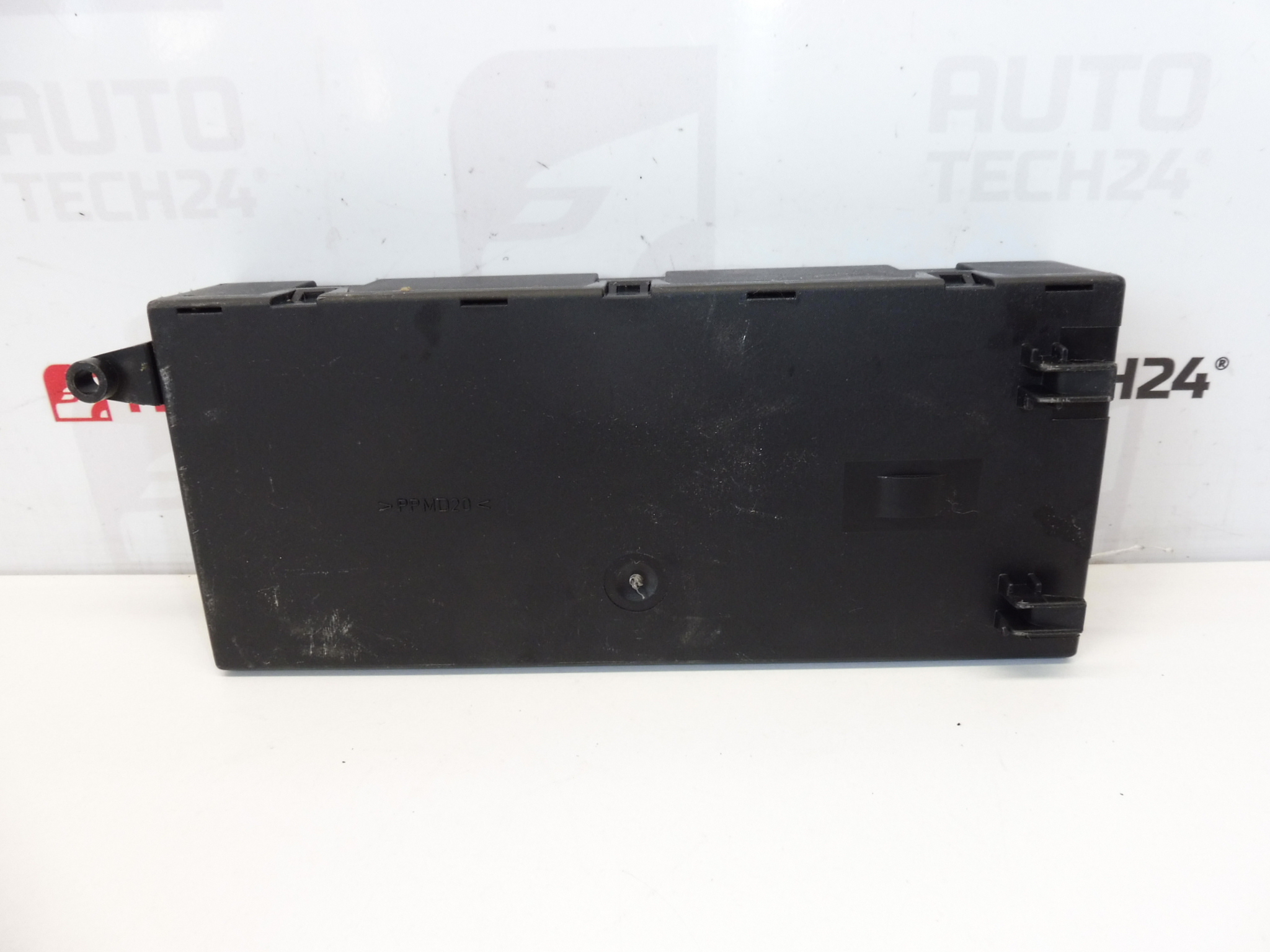
Control Unit For Sliding Rear Doors For Citroën C8 And Peugeot 807. Tested.
This sliding rear door control unit (ECU) is a direct-fit electrical module designed for Citroën C8 and Peugeot 807 vehicles equipped with powered sliding rear doors. Built to manage motor control, door position sensors and safety interlocks, it restores reliable automatic opening/closing and integrates with central locking and anti-pinch systems. Ideal for professional workshops and experienced DIY mechanics who search by product number (e.g. 1400500180, 9138H4).
Technical Information
- Manufacturer: Stellantis (Citroën / Peugeot)
- Model: Citroën C8; Peugeot 807
- Product Codes: 1400500180, 9138H4
- Additional Numbers: 1488780080, NFP
Fitment And Compatibility
Compatible with Citroën C8 and Peugeot 807 models equipped with electrically operated sliding rear doors. Always confirm fitment against the product codes listed above and the physical connector arrangement on the vehicle. This unit is typically mounted in the sliding door assembly or adjacent B-pillar area depending on body trim.
Function And Purpose
The control unit regulates the sliding door motor, reads limit and position switches, interprets anti-pinch and safety sensors, and communicates with the vehicle’s central locking systems. It ensures smooth, timed opening/closing sequences and interrupts movement when an obstruction is detected to prevent injury or damage.
Replacement Procedure
- Disconnect the vehicle battery before any work to avoid electrical damage and unintended activation.
- Remove interior door trim panels and any protective covers to access the module and wiring connectors.
- Label and disconnect the electrical connectors and detach any linked cabling or actuator linkages.
- Unbolt the control unit, replace with the new unit and secure it in the original mounting position.
- Reconnect all plugs, reassemble trim and reconnect the battery. Perform functional tests: door open/close cycles, anti-pinch operation and central locking response.
Installation Recommendations
Use correct trim tools to avoid damage to panels and clips. Check connector pins and wiring for corrosion or damage before installing the replacement unit. After installation verify mechanical door travel, limit switch calibration and sensor operation. If diagnostic equipment is available, read fault codes and clear them after successful replacement.
Why The Part Commonly Fails
Common failure causes include water ingress and corrosion of connectors, wear from repeated use, short circuits caused by damaged wiring, and failures of onboard relays or electronic components due to voltage spikes. Mechanical impacts or door alignment issues can also overload the module by causing repeated stall conditions.
Recommended Diagnostics
Begin troubleshooting by checking fuses, wiring continuity and connector condition. Use a diagnostic scanner to read error codes related to door motors, sensors and body control functions. Inspect door rails, rollers and latches for binding that can place extra load on the motor and control unit.
For Who
Designed for professional mechanics and competent DIY enthusiasts who are familiar with electrical diagnostics and door mechanism servicing. The product codes included in this listing make it easy to locate the correct replacement part.