Description
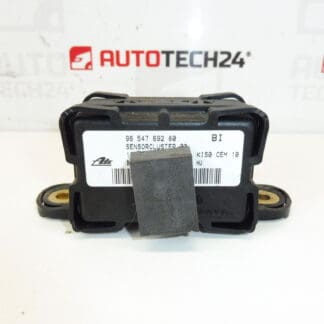
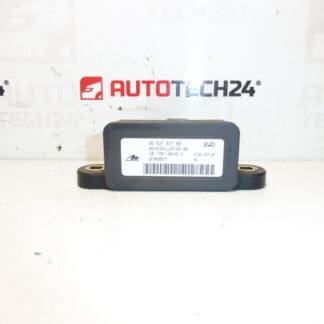
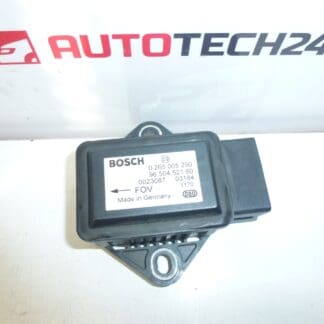
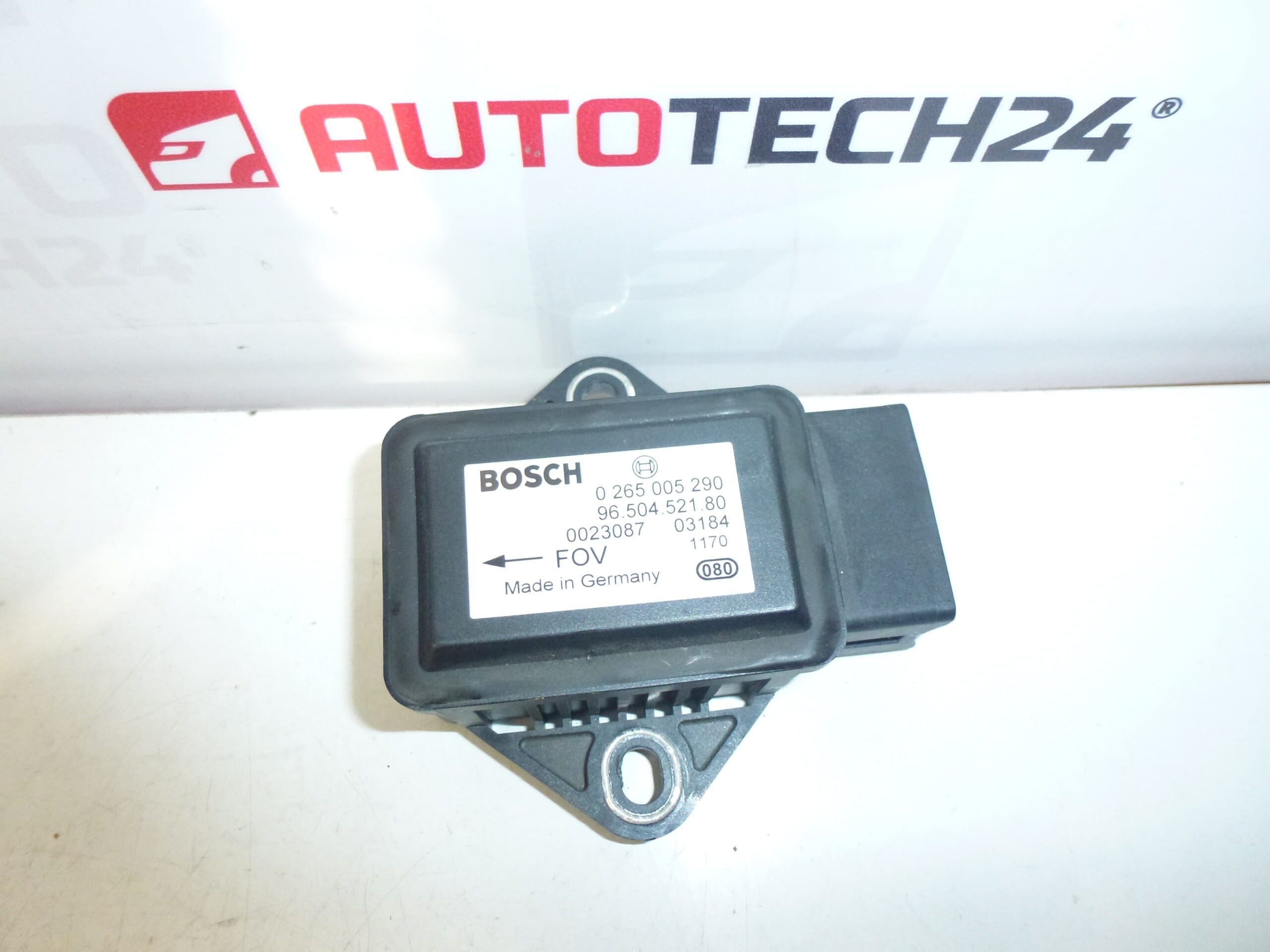
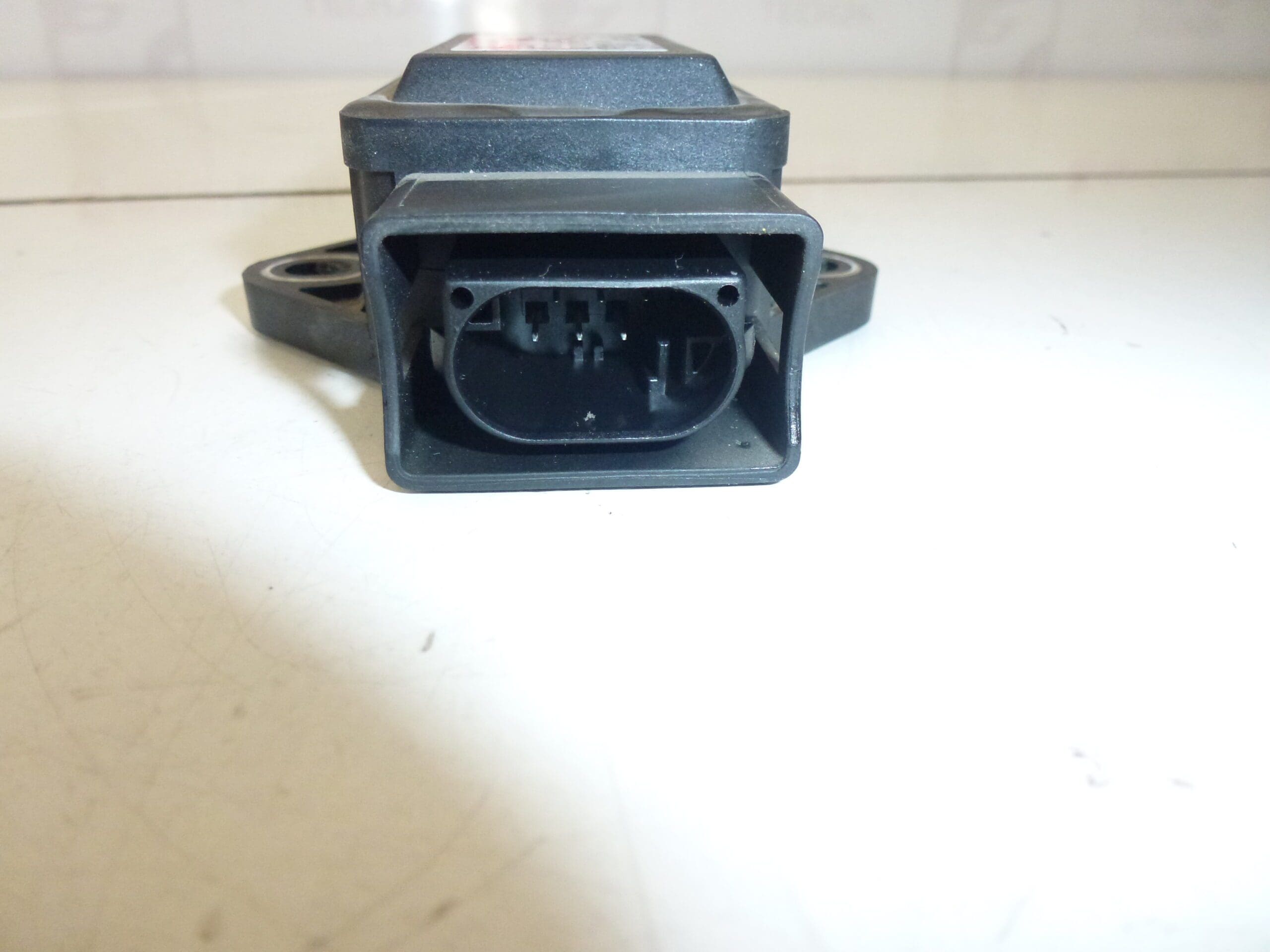
Kinetic ESP Sensor Bosch for Peugeot 307, 607, 807 and Citroën C8
High-quality Bosch Kinetic ESP sensor designed for Citroën and Peugeot vehicles. This sensor is commonly identified by part numbers 0265005290, 265005290, 9650452180 and 454916 and is used by the vehicle stability control (ESP) system to monitor dynamic movement. Ideal for professional workshops and DIY mechanics who need a reliable replacement part that restores correct ESP operation and traction control responses.
Technical Information
- Manufacturer: Bosch
- Model: For Peugeot 307, Peugeot 607, Peugeot 807, Citroën C8
- Product Codes: 0265005290, 265005290
- Other Numbers: 9650452180, 454916
Function
The sensor measures dynamic movement parameters used by the Electronic Stability Program (ESP) and traction control systems to detect understeer, oversteer and other instability events. By supplying precise motion data to the ABS/ESP control unit, the sensor enables timely braking interventions and engine torque adjustments to maintain vehicle stability.
Compatibility And Application
Compatibility covers selected Peugeot and Citroën models that use the same ESP sensor specification. Common applications include Peugeot 307, 607, 807 and Citroën C8. Always check the part numbers against the vehicle’s requirements before ordering.
Replacement And Installation
Replacement is straightforward for a trained technician: locate the sensor (typically mounted to the vehicle body or near the ABS/ESP module), disconnect the electrical connector, remove retaining bolts, replace the sensor and reconnect. After mechanical installation, a diagnostic tool may be required to clear fault codes and, if applicable, initialize or calibrate the stability system. Always disconnect the battery before starting work and follow the vehicle manufacturer’s removal and installation procedure to avoid damage.
Recommended Tools And Notes
- Common hand tools (torque wrench recommended)
- Multimeter for basic electrical checks
- OBD2 diagnostic tool capable of reading ABS/ESP faults and performing basic calibrations
- Observe correct connector seating and secure mounting to prevent drift or vibration-induced faults
Why It Most Commonly Fails
Failures are usually caused by environmental and mechanical factors rather than routine wear: moisture ingress and corrosion of connectors, damage from impacts or accidents, wiring harness faults, and internal electronic failure due to age or thermal stress. Symptoms of a failing sensor include ESP/ABS warning lights, reduced stability control performance and fault codes stored in the ABS/ESP control unit.
Installation Recommendation
For reliable results, have the replacement performed or checked by an experienced technician. After installation, verify fault codes are cleared and perform any necessary calibration or initialization with a diagnostic tool. Always secure wiring and connectors to prevent future damage and avoid cleaning with high-pressure washers directly at sensor connectors.