Description
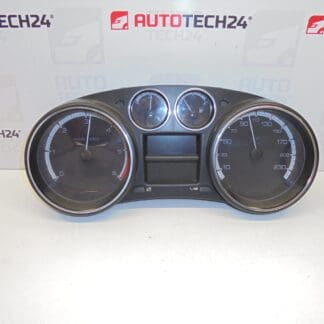
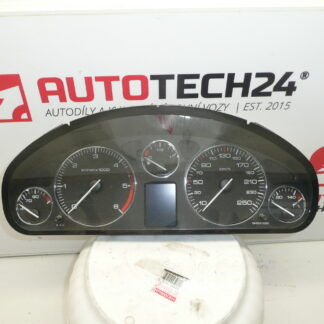
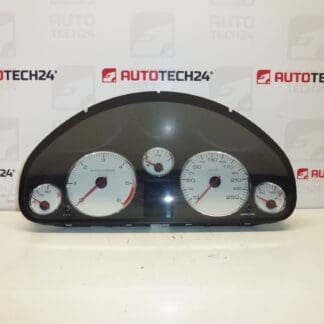
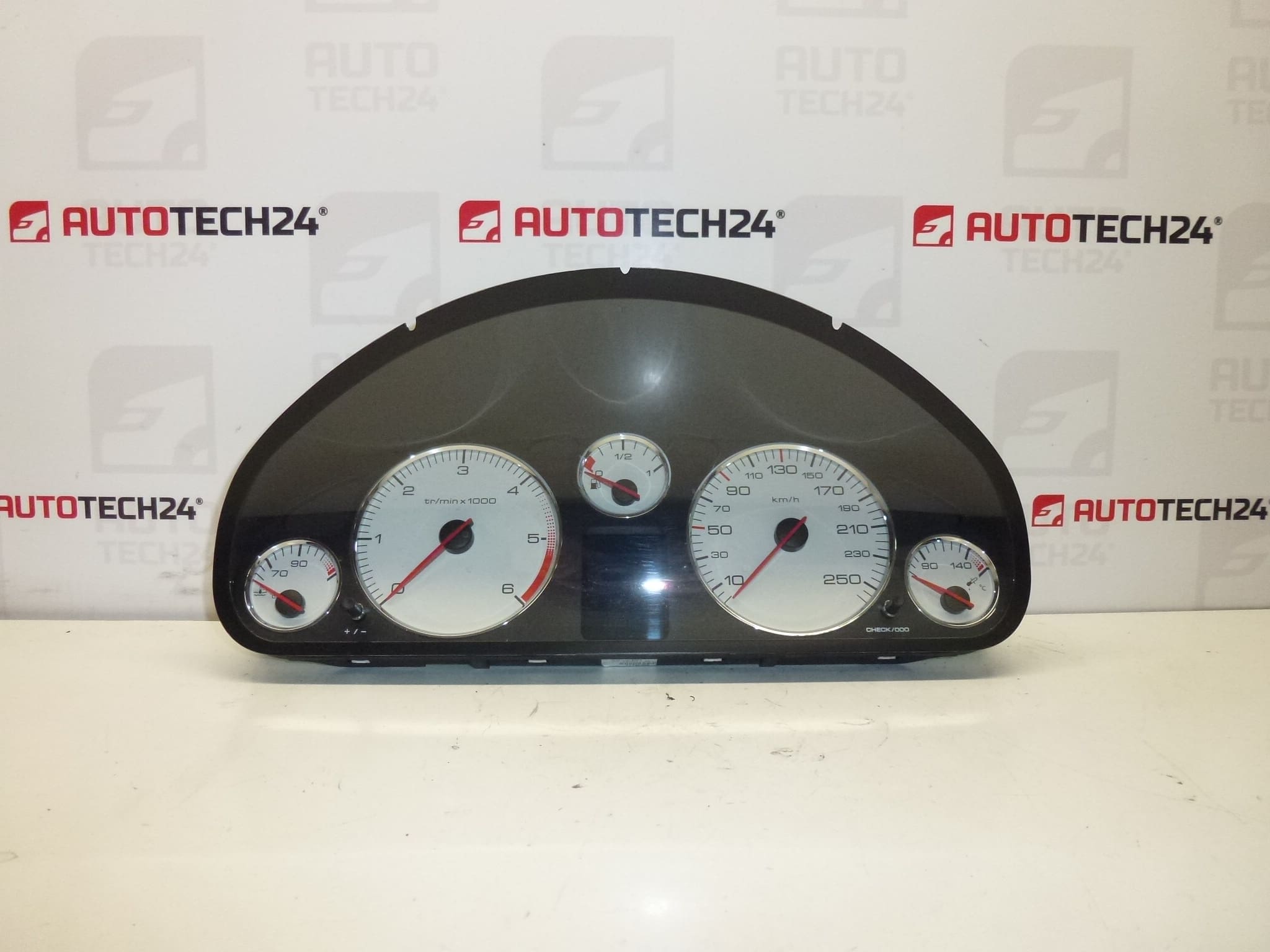
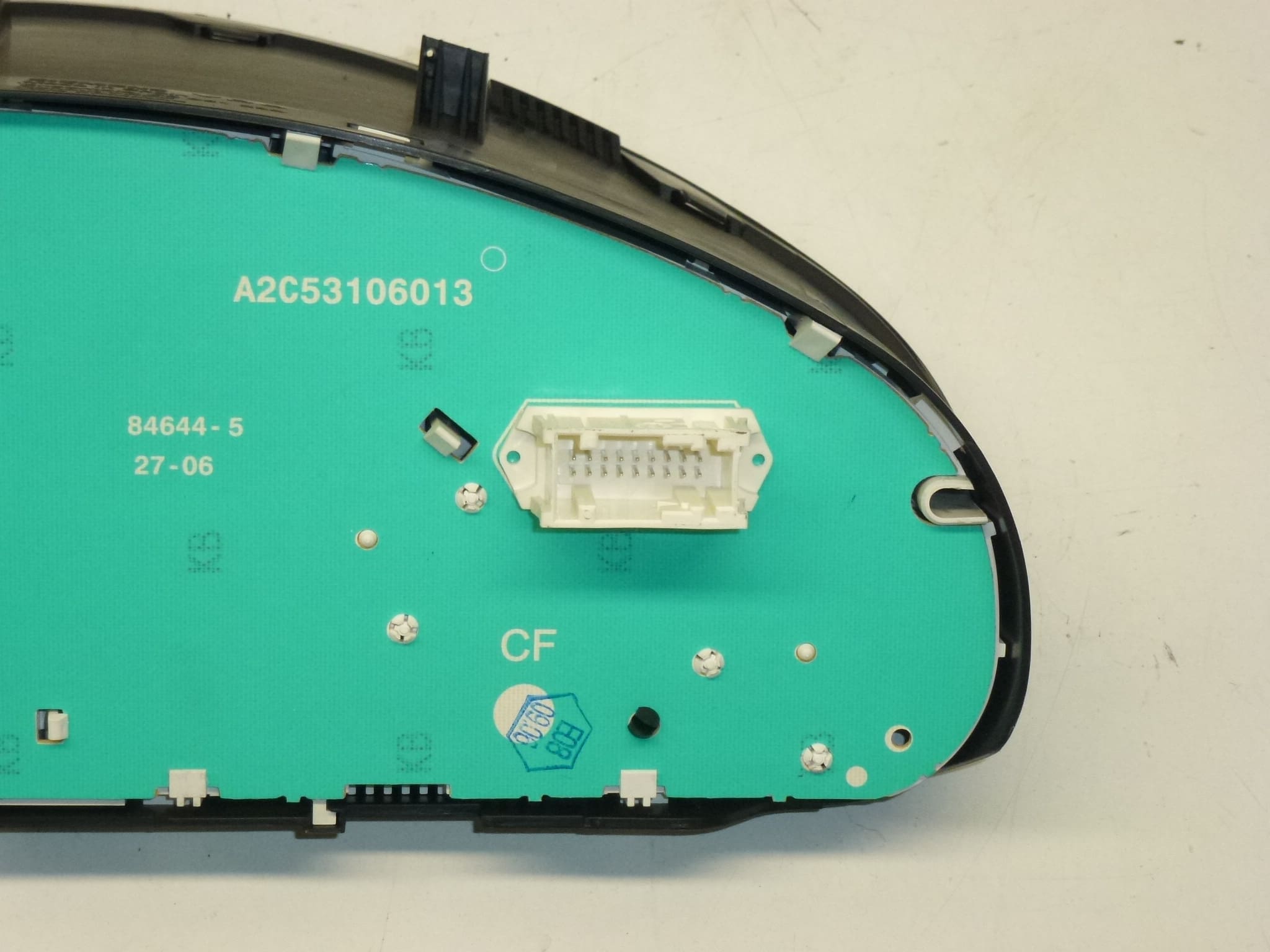
Instrument Cluster (Speedometer) Dashboard PEUGEOT 407 2.0 HDi 2007
Mileage ±250,000 km
Display Functions OK
High-quality used instrument cluster for Peugeot 407 equipped with the 2.0 HDi engine. This complete speedometer/tachometer unit is an ideal replacement for workshops and DIY mechanics looking to restore a faulty dashboard or replace a damaged cluster quickly. The unit shown has a recorded mileage of approximately 250,000 km and a working display, making it suitable when the original cluster has mechanical or electronic faults but the display remains readable.
The cluster is commonly searched by part numbers, so we list relevant references below to help you find and verify the correct unit. Installing a complete replacement cluster can bring back full instrument readouts (speed, engine rpm, fuel, warning lights) and resolve intermittent or permanent faults caused by internal component failure or water and electrical damage.
Technical Information
- Manufacturer: Stellantis (Peugeot / Citroën)
- Model: Peugeot 407 2.0 HDi (2007)
- Product Codes: 9658138580, 610395
- Additional Numbers: 610396, 6106W8, 105000
Installation Recommendations
- Disconnect the negative battery terminal before starting work to avoid short circuits and airbag faults.
- Remove trim panels and fascia carefully to access the cluster screws; keep clips and screws organized for reassembly.
- Unplug all electrical connectors from the rear of the cluster. Inspect connectors and wiring for corrosion or burn marks and clean contacts if necessary.
- Install the replacement cluster, secure mounting screws, and reconnect harnesses. Refit trim and reconnect the battery.
- After mechanical installation, diagnostics with an appropriate PSA/Diagbox tool may be required to synchronize mileage and immobiliser data or to clear stored faults—especially on vehicles with transponder/key immobiliser systems.
- When possible, verify all functions (speedometer, tachometer, fuel gauge, warning lights, and display segments) on the vehicle before finishing the reassembly.
Why This Part Fails Most Often
- Solder Joint Failures: Thermal cycling and vibration can cause cracked solder joints on the cluster PCB, leading to intermittent gauges or dead segments.
- Stepper Motor Wear: Small stepper motors that drive analogue needles tend to wear out or stick, causing inaccurate or non-moving needles.
- Display Degradation: LCD segments or backlighting can dim or fail over time, affecting readability even if the rest of the cluster works.
- Electrical Surges and Poor Grounds: Voltage spikes, bad ground points, or faults in the vehicle charging system can damage electronic components inside the cluster.
- Water Ingress and Corrosion: Moisture entering the dashboard area can corrode contacts and damage sensitive electronics.
This product is suitable for fitment by professional mechanics and experienced DIYers. Because instrument clusters are central to vehicle diagnostics and immobiliser operation, ensure you have the correct tools and procedures to finalize installation and any required programming.