Description
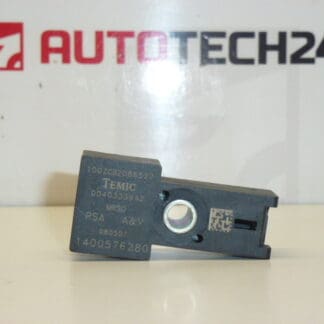
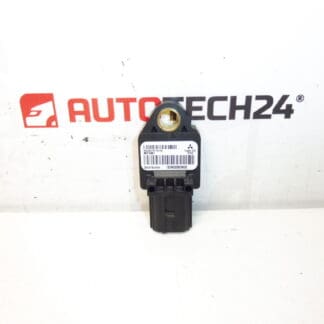
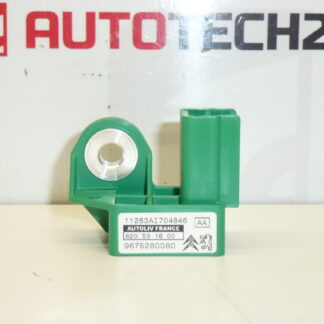
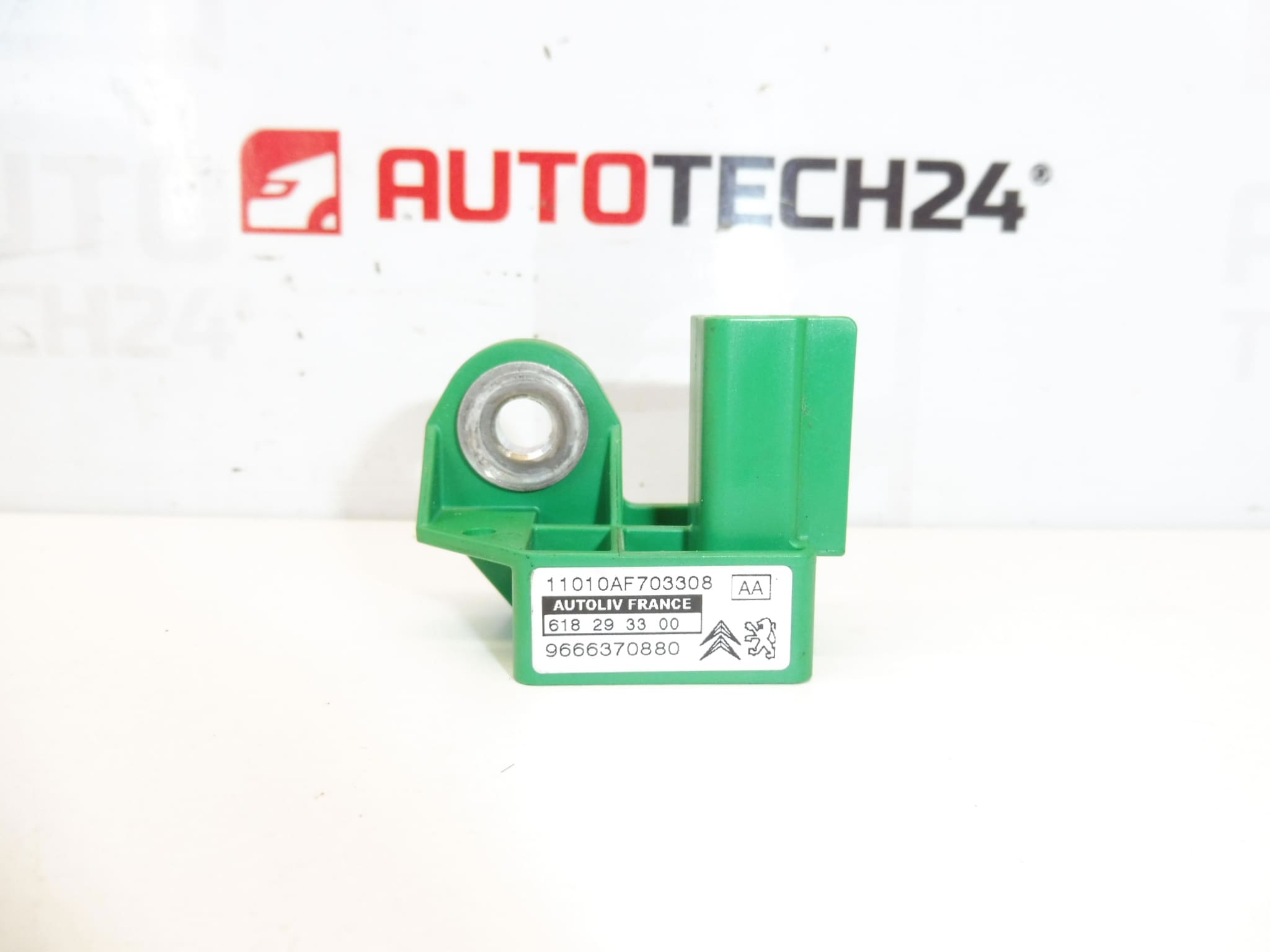
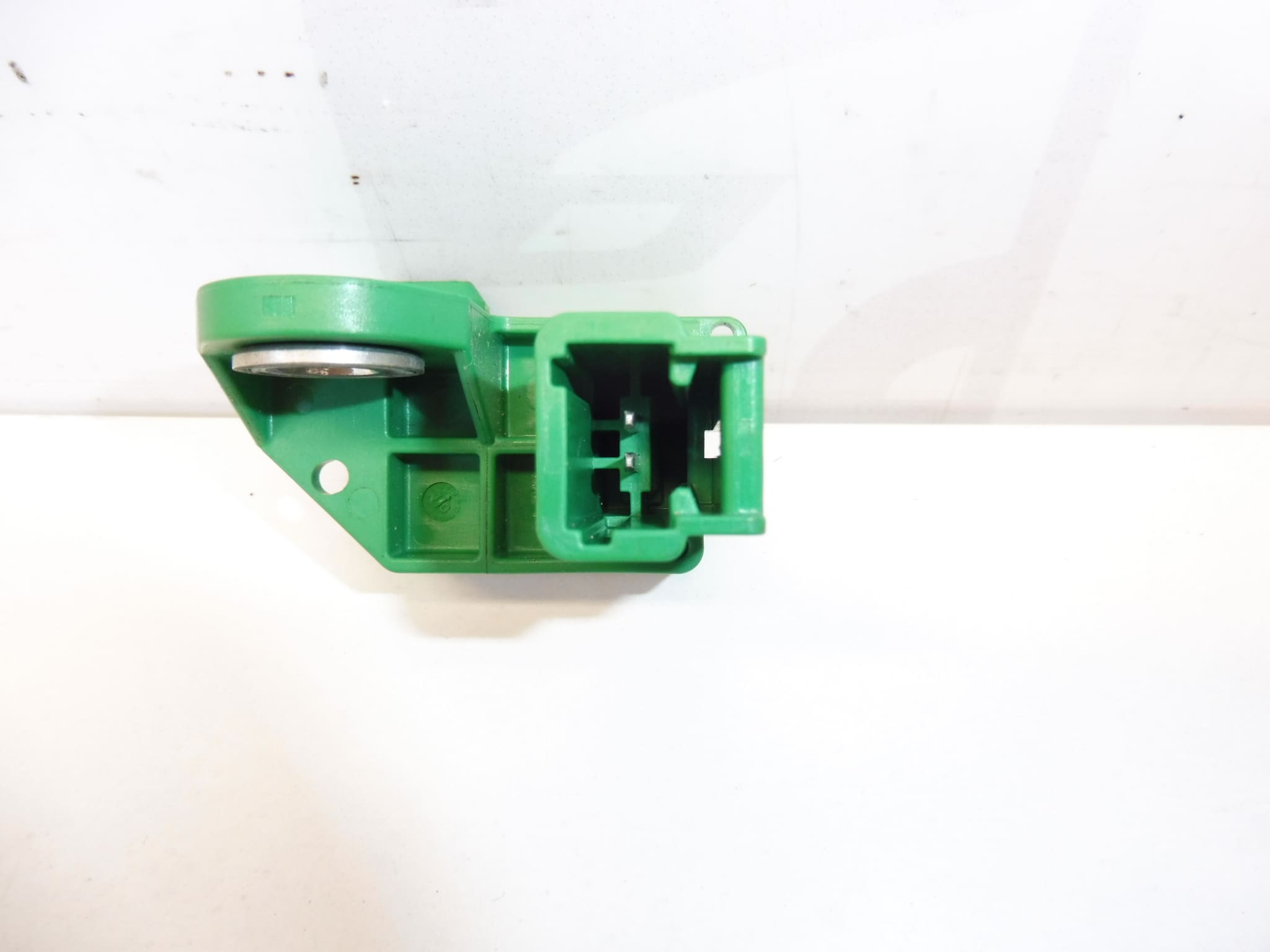
Side impact sensor for airbag for Citroën and Peugeot vehicles.
This Autoliv side impact (lateral) acceleration sensor is designed for Citroën and Peugeot airbag systems. It senses rapid lateral deceleration during a side collision and sends an immediate signal to the airbag control unit to trigger the appropriate restraint deployment (side airbags and seatbelt pretensioners). Commonly referenced by part numbers 9666370880, 618293300 and 8217F6, this sensor is a direct-fit replacement for affected Stellantis platforms and is often searched by its product codes.
Why choose this sensor: It restores reliable side-impact detection after a collision, water ingress or connector damage. For professional mechanics and DIY enthusiasts, replacing a faulty lateral sensor returns the passive safety system to full functionality and can clear collision-related fault codes when combined with the correct diagnostic procedure.
Technical information
- Manufacturer: Autoliv
- Model: Citroën C3 Picasso; Citroën C5 X7; Peugeot 308
- Product Codes: 9666370880, 618293300, 8217F6
- Additional Numbers: 8217.F6
Function and Symptoms Of Failure
The sensor measures lateral acceleration and communicates with the airbag control module. Typical symptoms of a failing or damaged sensor include persistent airbag warning lamp, stored crash or sensor fault codes in the airbag control unit, and in some cases degraded side airbag deployment logic after an impact event. Sensors are usually not failure-prone under normal conditions but can stop functioning after physical impact, water ingress, corrosion, or damaged wiring/connectors.
Common Causes Of Damage
Most sensor faults are caused by:
- Collision damage (secondary impact or crushed mounting points).
- Moisture penetration and corrosion of electrical contacts.
- Wiring harness damage from door or seat mechanism movement.
- Improper removal/installation or connector deformation.
Replacement Guide (Overview)
Location: Side impact sensors are typically mounted in the B-pillar, door frame area or seat base depending on the model. Exact location varies by vehicle—consult the vehicle’s repair manual for the precise position.
Basic replacement steps (professional/Detailed workshop procedure recommended):
- Park vehicle on level ground and set parking brake.
- Disconnect the negative battery terminal and wait an appropriate time (manufacturer-recommended interval) for system capacitors to discharge.
- Remove interior trim panels to access the sensor mounting point (use trim tools to avoid damage).
- Unplug the sensor connector, remove mounting fasteners, and extract the sensor.
- Fit the replacement sensor, secure mounting fasteners to the specified torque, reconnect the connector and reassemble trim.
- Use a diagnostic scanner to read/clear airbag system fault codes and verify proper communication with the airbag control unit.
Installation Recommendations
- Always disconnect the battery and follow the vehicle manufacturer’s safety procedures before working on the supplemental restraint system.
- Handle sensor and wiring carefully to avoid static discharge or connector damage.
- Replace any damaged clips or harness insulation; ensure connectors are clean and fully engaged.
- After installation, perform a full airbag system check with a compatible diagnostic tool and clear any fault codes only after confirming a correct installation.
Why Replace It
Replacing a damaged or faulty side impact sensor restores proper side collision detection and ensures that the airbag system can deploy as designed in a crash. Leaving a defective sensor in service can result in incorrect deployment logic or persistent airbag warnings, which compromise vehicle safety and can fail inspection criteria in many markets.
For professional fitment, this part is best handled by experienced technicians or competent DIYers who follow workshop procedures and use the correct diagnostic equipment. Searchable part numbers: 9666370880, 618293300, 8217F6 — include these codes in your search to quickly find compatible replacements and cross-references.