Description
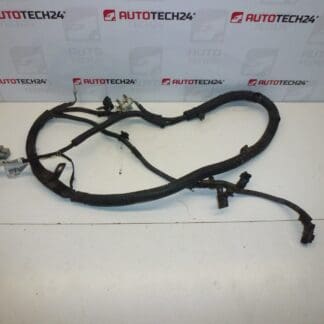
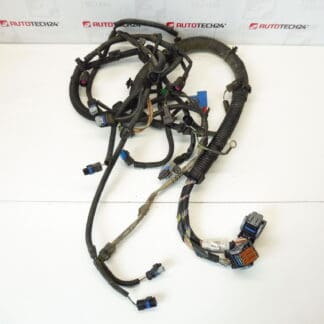
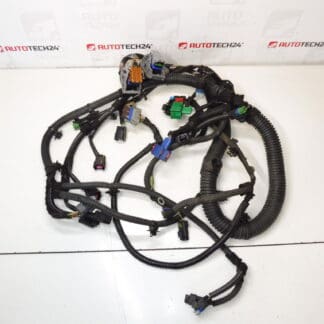
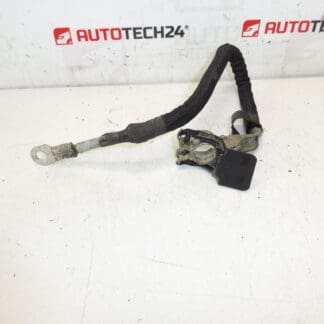
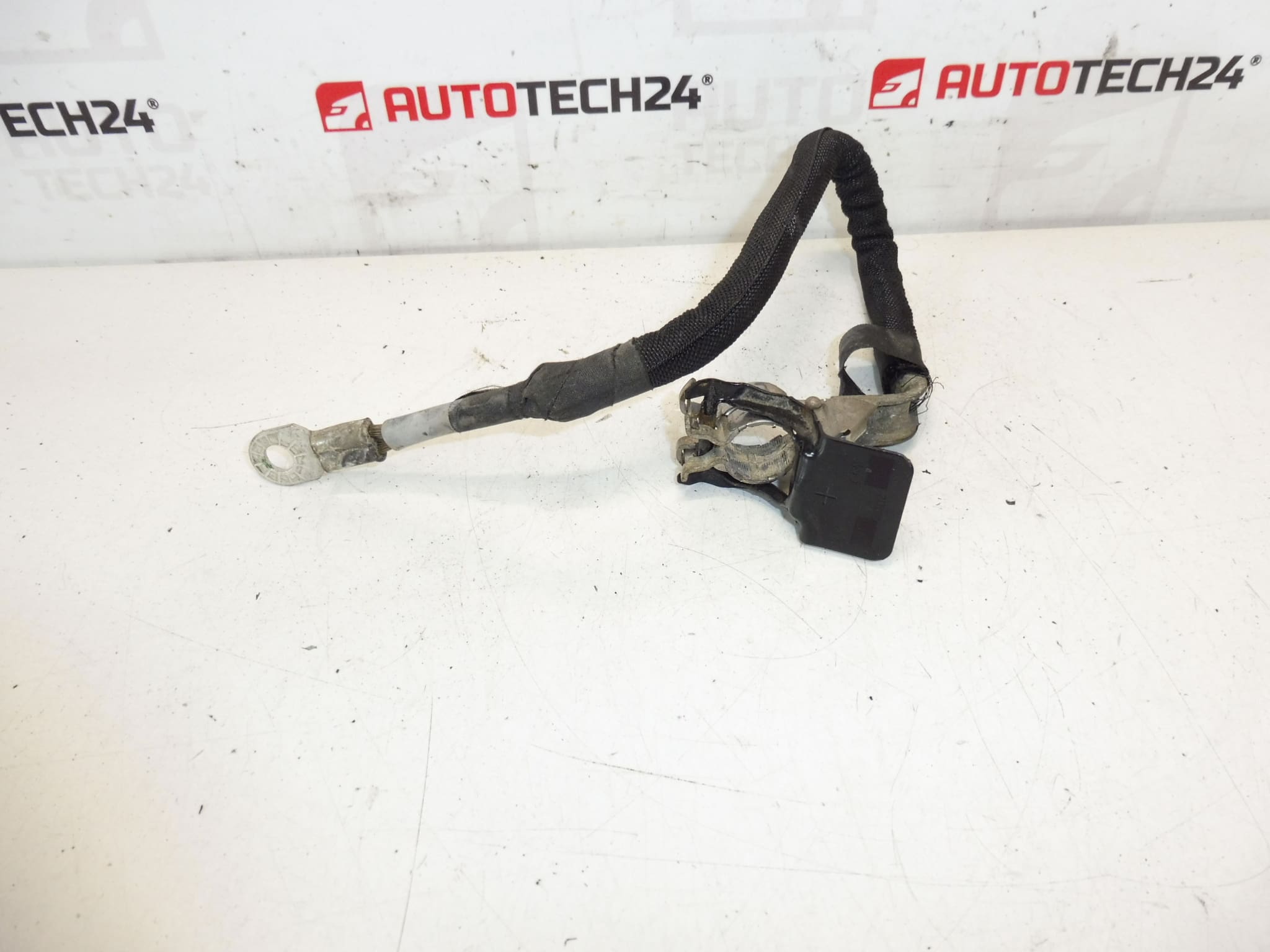
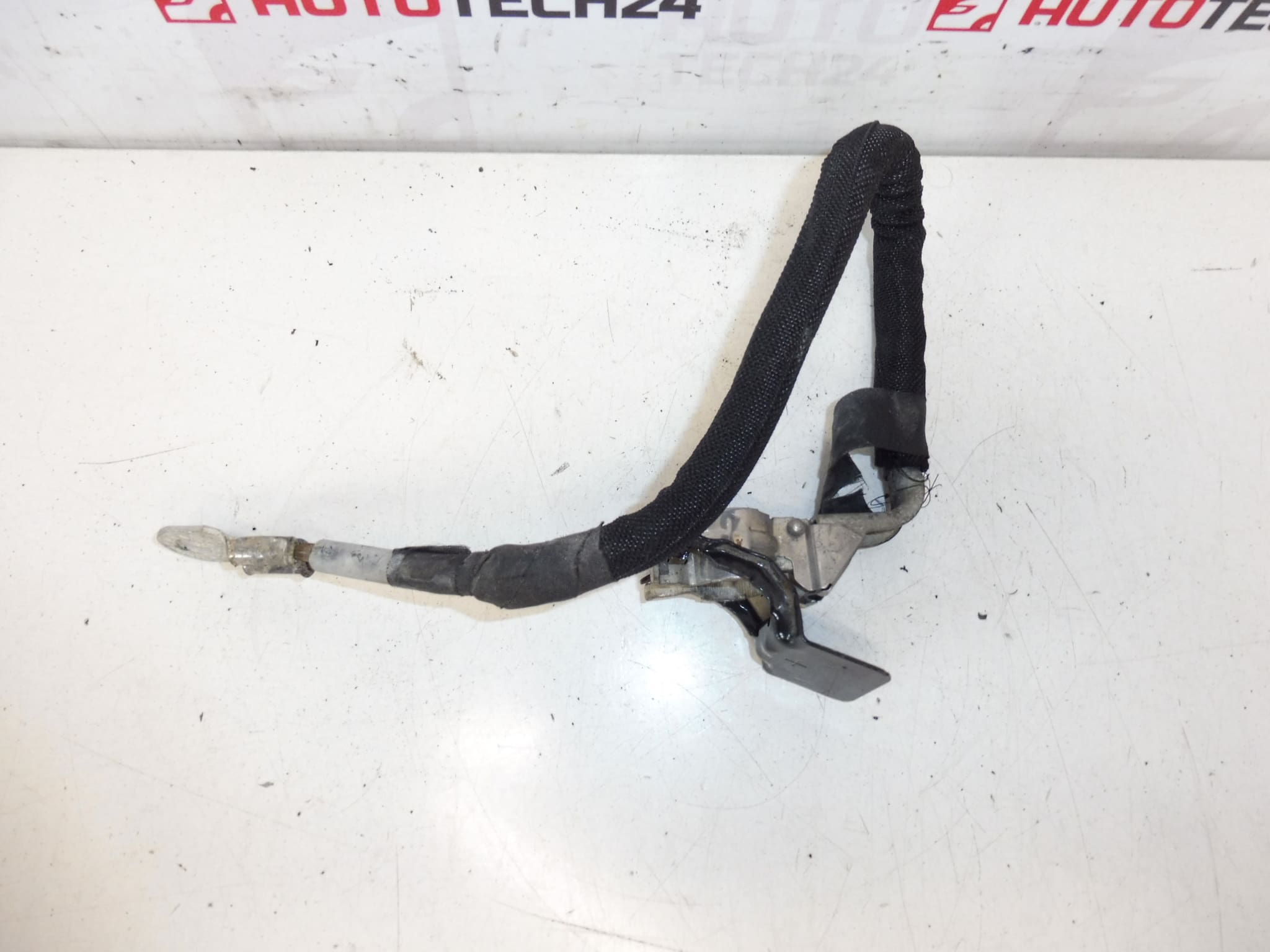
Positive Battery Cable For Citroën And Peugeot Vehicles.
Heavy‑duty positive battery cable designed for Citroën and Peugeot engines. This replacement cable (OEM references 9674808180 / 564621) restores a reliable high‑current connection between the battery and the starter/engine harness, ensuring consistent starting performance and charging efficiency. Engineered for professional workshops and competent DIY mechanics, the cable is suitable for vehicles fitted with 1.8 16V and 2.0 16V engine configurations and common PSA layouts. Clear product codes in the description help you find the exact item quickly when searching by part number.
Technical Information
- Manufacturer: Stellantis (Peugeot/Citroën)
- Model: Citroën C3 II; Selected Citroën And Peugeot Vehicles With 1.8 16V And 2.0 16V Engines
- Product Codes: 9674808180, 564621
- Other Numbers: 564621
Fitment And Application
Commonly used in Citroën and Peugeot vehicles with PSA‑type engine installations where a dedicated positive battery lead is required. The listing explicitly covers Citroën C3 II and is intended for vehicles with the 1.8 16V and 2.0 16V engine families; check the part numbers against the vehicle build to confirm physical fitment before installation.
Function And Symptoms
The positive battery cable carries battery current to the starter motor, alternator feed points and main engine wiring harness. A worn or damaged cable causes symptoms such as hard starting or no crank, voltage drop under load, intermittent electrical faults, visible corrosion or heat damage at terminals, and in extreme cases melted insulation or blown main fuses.
Installation Recommendations
- Safety First: Always disconnect the negative battery terminal before starting work to prevent short circuits and sparks.
- Removal: Loosen and remove the retaining nuts/clamps at the battery positive terminal and at the starter/engine connection. Note the routing and any clips to ensure the new cable follows the same path and does not contact hot or moving parts.
- Fitting: Fit the new cable, ensuring clean, corrosion‑free contact surfaces. Reuse or replace terminal clamps as required. When reconnecting the battery, attach the positive terminal first, then the negative.
- Protection: Secure the cable with original clips or equivalent fasteners and keep it away from sharp edges, exhaust components and moving parts. Apply a thin layer of dielectric grease to terminals to reduce corrosion risk.
- Tightening: Tighten terminal connections to the manufacturer’s recommended torque where available; otherwise ensure a firm, vibration‑resistant joint without over‑compressing the terminal.
Why This Part Most Commonly Fails
- Corrosion At Terminals: Exposure to moisture and battery acid causes oxidation and poor conductivity.
- Mechanical Wear Or Chafing: Improper routing or loose mounting allows rubbing against components, damaging insulation and conductors.
- Heat Damage: Proximity to exhaust or hot engine components degrades insulation and accelerates failure.
- High Current Loads: Poor contacts or undersized connections cause local heating and eventual melting or burning of the cable.
- Age And Environmental Factors: Over years of use, cables harden, crack and lose conductivity; typical service life depends on conditions but replacement is common during battery or starter service.
For workshop efficiency: When replacing the positive battery cable, inspect the battery terminals, ground strap and starter connections at the same time. Replacing related connectors or cleaning corrosion will help prevent repeat failures and ensure dependable starting and charging performance.