Description
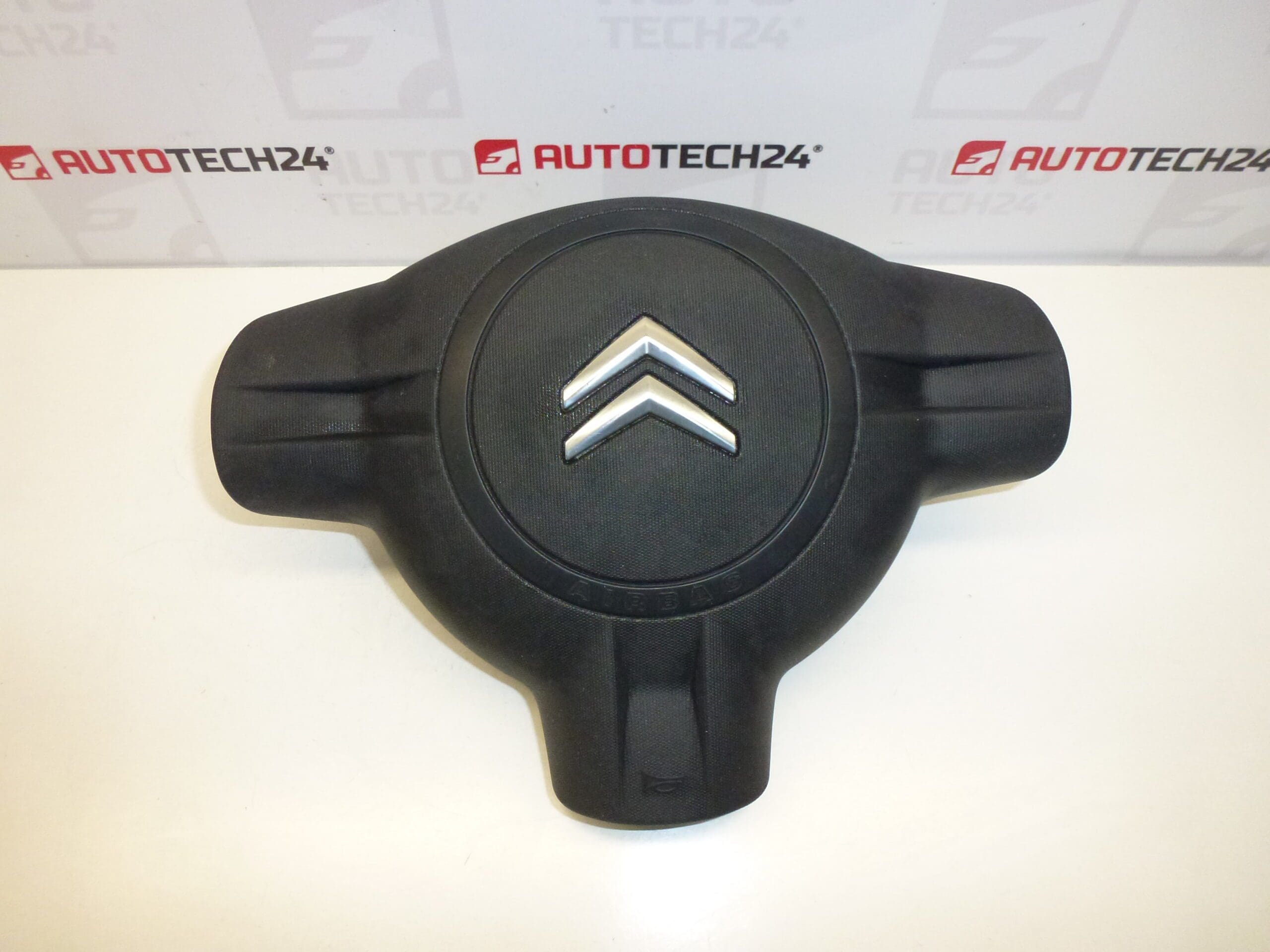
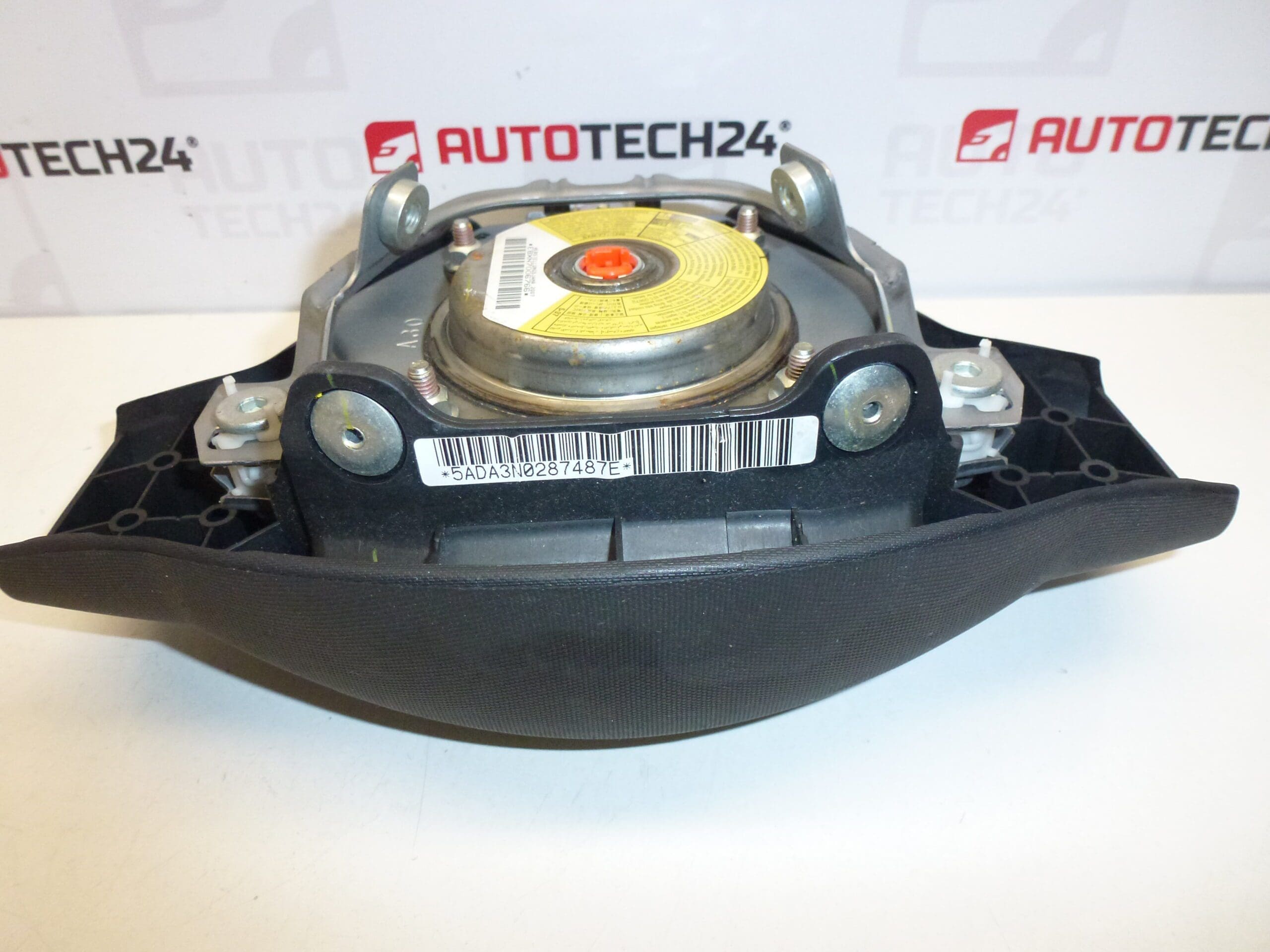
Left Driver Airbag For Steering Wheel Citroën C1 Up To 2012 — Scratched Chrome
Overview
Used left driver airbag module designed for the steering wheel of the Citroën C1 (up to 2012). This steering-wheel airbag is a direct replacement part for technicians and DIY mechanics who need a compatible unit identified by common product codes. The item has cosmetic surface damage to the chrome trim (scratched chrome) but the listing refers specifically to the module itself—ideal for repairs after deployment or for replacing a damaged unit.
Technical information
- Manufacturer: Stellantis / Citroën
- Model: Citroën C1 (first generation) – up to 2012
- Product Codes: 4112HV, 16083643ZD
- Other Numbers: Not specified
Function and Fitment
The driver airbag is a pyrotechnic safety device integrated into the steering wheel hub. Its primary function is to inflate rapidly in the event of a frontal collision to reduce the risk of head and chest injuries. This module is intended as a left/driver-side unit for the Citroën C1 (up to 2012) steering wheel. Always verify fitment by matching the product codes and physical connector type before installation.
How To Replace
- Safety first: Disconnect the vehicle battery negative terminal and wait at least 10–15 minutes to allow capacitors in the supplemental restraint system to discharge.
- Set the front wheels straight ahead and position the steering wheel centrally.
- Remove the airbag unit by accessing the retaining bolts or clips on the rear of the steering wheel (typical locations vary by wheel design).
- Carefully disconnect electrical connectors—note any locking tabs or safety plugs—and unclip the airbag module from the wheel.
- Inspect the steering column, clockspring (spiral cable) and connectors for damage or corrosion. Replace the clockspring if worn or damaged.
- Install the replacement airbag, reconnect the connectors securely and torque fasteners to the manufacturer’s specification where applicable.
- Reconnect the battery and clear any fault codes with an appropriate diagnostic tool. Verify the airbag warning lamp extinguishes after the system check.
Installation Recommendations
- Always isolate the battery and respect recommended waiting times to avoid accidental deployment.
- Use correct tools and follow manufacturer access points—avoid prying on trim or airbag housing.
- Replace any damaged clockspring or torn connector boots; electrical continuity of the squib circuit must be verified.
- After installation, use a diagnostic scanner to confirm the airbag system has reset and no fault codes remain.
- If unsure about any step, have a qualified technician perform the replacement—airbag work involves pyrotechnic components and vehicle safety systems.
Common Reasons For Failure
- Deployment In A Collision: Once deployed, the airbag must be replaced.
- Electrical Faults: Broken wires, damaged connector pins or a failed squib can trigger faults and an illuminated airbag warning light.
- Clockspring Wear: Steering angle sensor/spiral cable failure often causes driver-airbag circuit errors.
- Corrosion Or Moisture: Exposure can degrade electrical contacts and insulation.
- Cosmetic Damage: Surface scratches to chrome trim (as noted here) affect appearance but not necessarily the module’s functionality.
Notes
This listing describes a used airbag unit with scratched chrome trim. The provided product codes (4112HV, 16083643ZD) are included to help locate compatible parts. Do not attempt to repair pyrotechnic components; follow safety procedures and legal regulations for disposal of deployed or defective airbags.