Description
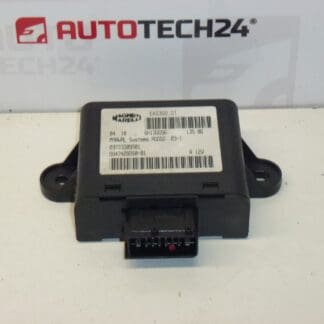
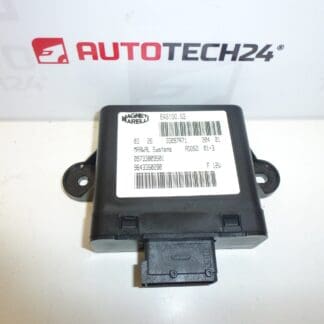
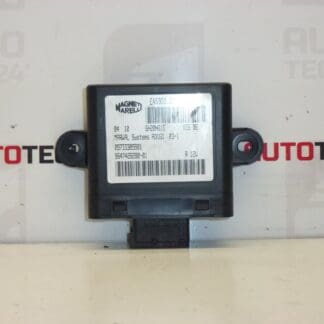
MAGNETI MARELLI Control Unit For Injection And DPF (Diesel Particulate Filter).
This ECU FAP EAS300.01 by Magneti Marelli is a dedicated control unit designed to manage DPF-related functions and injection parameters on selected Citroën and Peugeot diesel models. It coordinates particulate filter regeneration requests, monitors soot load signals, and communicates with engine management systems to optimise combustion and reduce emissions. The unit is commonly referenced by OEM part numbers and is often searched for by its product codes—making it an ideal replacement part for professional workshops and experienced DIY mechanics.
The module is compatible with a range of Stellantis diesel vehicles, including Citroën C5 and C8 and Peugeot 307 and 807 (verify fitment by part number). Symptoms of a failing DPF control unit include persistent DPF warning lights, inability to start the forced regeneration, irregular exhaust behaviour, and stored fault codes related to soot sensors or DPF control. Because this component directly affects regeneration logic and injection timing adjustments related to soot management, replacing a faulty unit typically restores correct DPF operation when other related components (sensors, wiring, DPF itself) are functional.
Technical information
- Manufacturer: Magneti Marelli
- Model: ECU FAP EAS300.01
- Product Codes: 9647428280-01, 09733309901
- Other Numbers: 9733309901, 1525CY, EAS300.01
- Applicable Vehicles: Citroën C5, Citroën C8, Peugeot 307, Peugeot 807 (common applications)
Installation recommendations
Before starting work, disconnect the vehicle battery to avoid electrical damage. Locate the DPF control ECU—typically in the engine bay or close to the main engine ECU depending on the model. Remove any protective covers and unplug all connectors carefully, releasing locking tabs to prevent connector damage. Replace the unit using the original mounting hardware and ensure connector pins are clean and fully seated. After installation, clear fault codes with a compatible diagnostic tool and run a system check; perform a forced regeneration or adaptation procedure if required by the vehicle’s service routine. Use anti-seize or dielectric grease on connectors if corrosion was present to improve long-term reliability.
Why this part commonly fails
DPF control units are exposed to thermal cycling, vibration, and potentially contaminated signals from soot sensors. Common causes of failure include connector corrosion, water ingress, thermal stress, and electrical surges. In many cases, the root cause is related to sensor faults or heavy soot/clogging in the DPF system that force the ECU to operate at limits; addressing only the ECU without checking sensors and the DPF itself may result in recurring faults. Regular inspection of wiring, sensor condition, and ensuring the DPF can regenerate properly will reduce premature ECU failures.
Note: This part is frequently searched by its part numbers (e.g., 9647428280-01, 09733309901). Always compare part numbers to confirm fitment before ordering.