Description
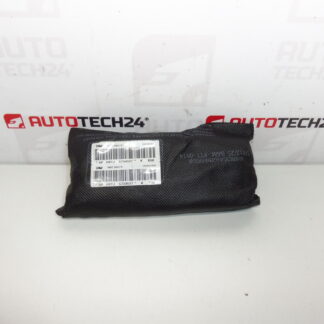
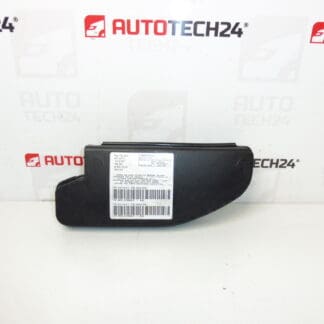
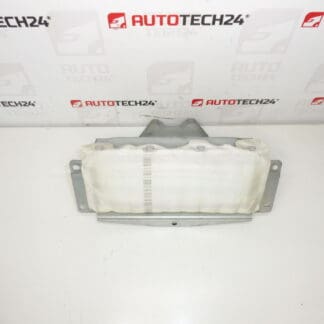
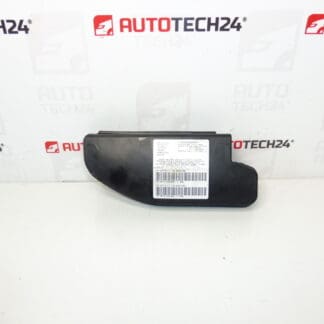
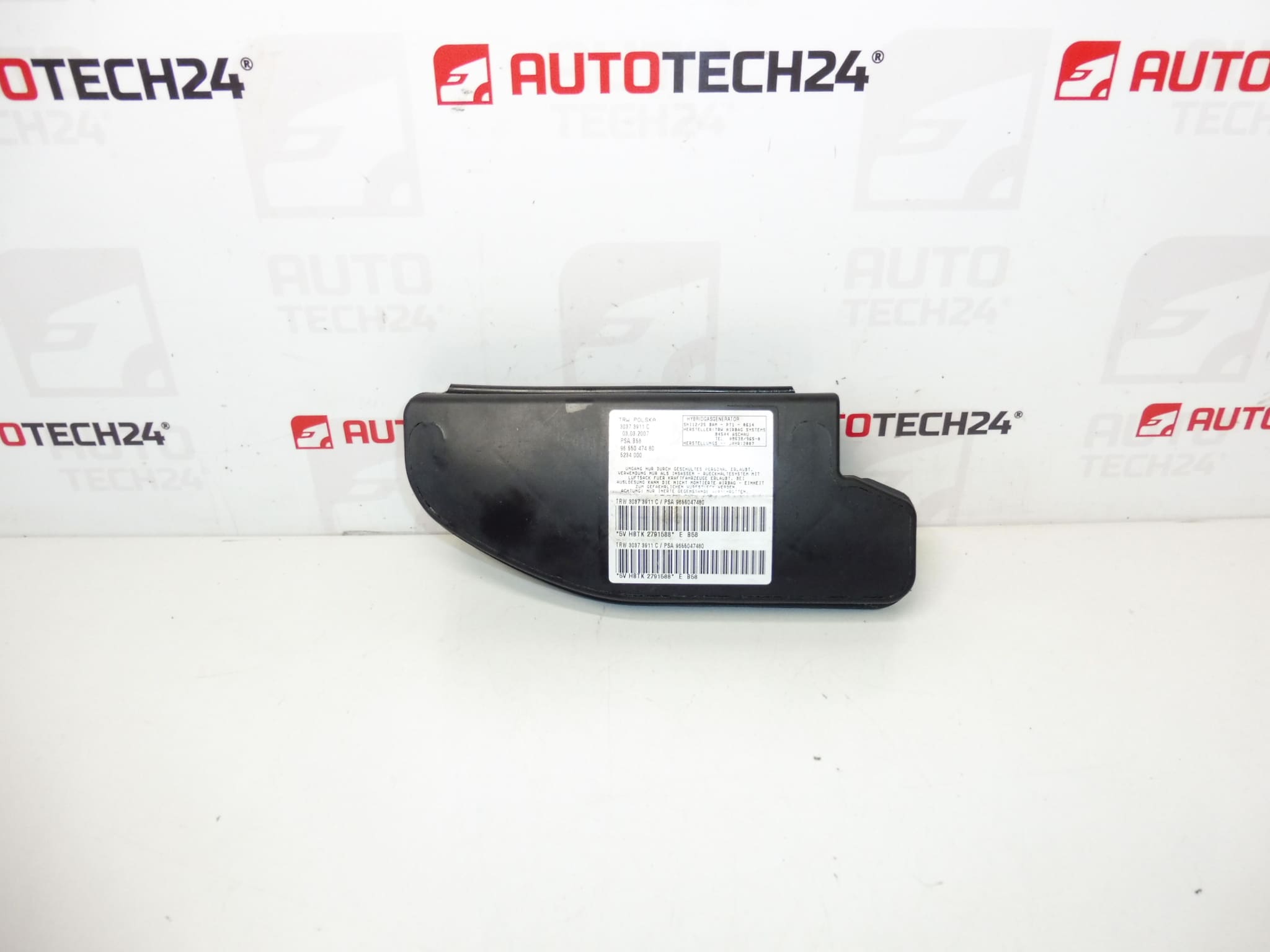
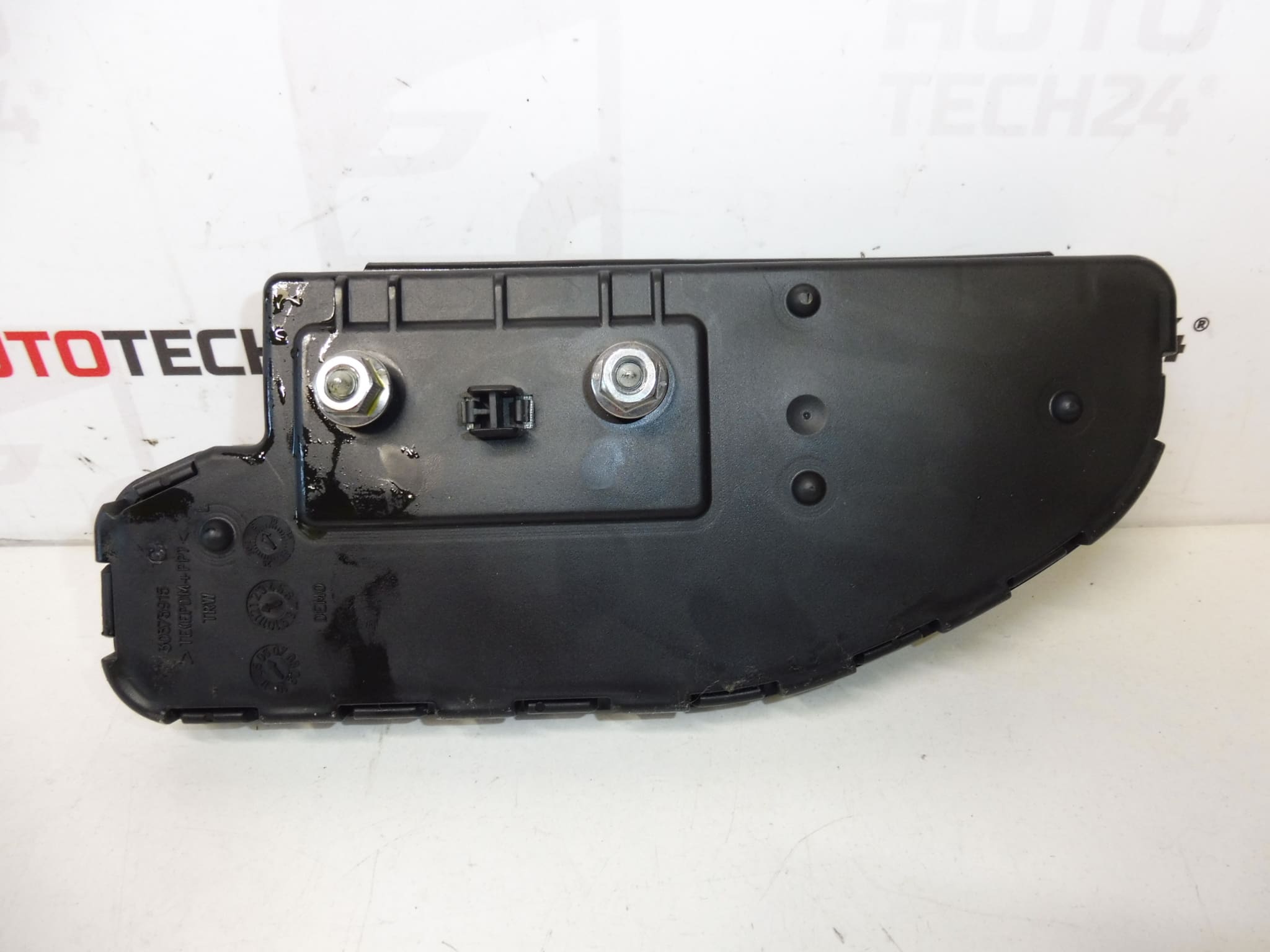
Driver’s seat airbag for CITROËN C4 Picasso and Grand Picasso. Side pyrotechnic inflatable bag. Version II.
This left front seat airbag (side pyrotechnic inflator) is designed for Citroën C4 Picasso and Grand Picasso models and is often searched by part numbers 9655047480 or 8216PG. It protects the occupant’s torso and pelvis in a side impact and is suitable for professional workshops and experienced DIY mechanics who perform SRS repairs. Compatible part numbers in the listing make it easy to find the correct replacement when diagnosing crash damage or an SRS fault code.
Key Benefits
High-speed pyrotechnic inflation for rapid occupant protection in side impacts. Direct OEM-style fitment for seat assemblies on compatible C4 Picasso variants. Clear product codes included to speed up parts lookup and ordering. Intended for technicians who follow correct safety and diagnostic procedures when replacing SRS components.
Technical Information
- Manufacturer: Stellantis / Citroën
- Model: Citroën C4 Picasso, Citroën Grand Picasso
- Product Codes: 9655047480
- Other Numbers: 8216PG
Function
The unit is a side (seat-mounted) airbag with a pyrotechnic inflator. Its primary function is to deploy in milliseconds during a qualifying side impact to reduce thoracic and pelvic injuries by creating a controlled cushion between the occupant and the intruding structure.
Installation Recommendations
Always follow manufacturer safety procedures. Before starting work, disconnect the vehicle battery and wait the time specified by the vehicle manufacturer (commonly around 10 minutes) to allow SRS capacitors to discharge. Remove seat trim and upholstery carefully to access the airbag module; avoid cutting or damaging wiring or sensor leads. Disconnect the airbag connector using the locking mechanism—do not force pins or use excessive leverage. Position the airbag with the cover facing away from you when removing and store it with the inflated face up and away from heat sources. When fitting the replacement, ensure connectors are fully engaged and locked, seat fasteners are tightened to the vehicle manufacturer’s torque specifications, and then perform a full SRS system check and clear any crash codes with a diagnostic tool. Final verification should confirm the SRS warning lamp extinguishes after the system check.
Most Common Failure Causes
Airbags are typically replaced after deployment in a collision. Other common causes for replacement or faults include damaged wiring or connectors under the seat (often due to seat rail movement or corrosion), impact-related damage to the seat structure, and water ingress or corrosion at connector points. Faults may also arise from prior improper removal or damaged locking tabs. Regular inspection after accidents and correct handling during seat removal reduce the risk of damage during service.