Description
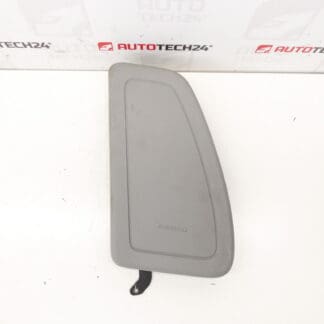
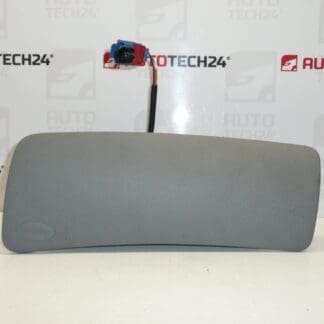
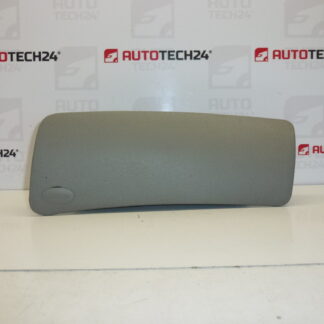
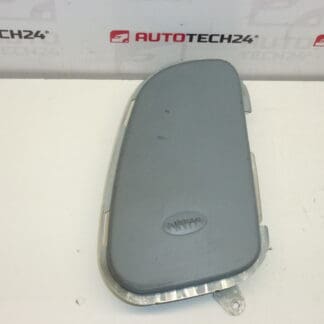
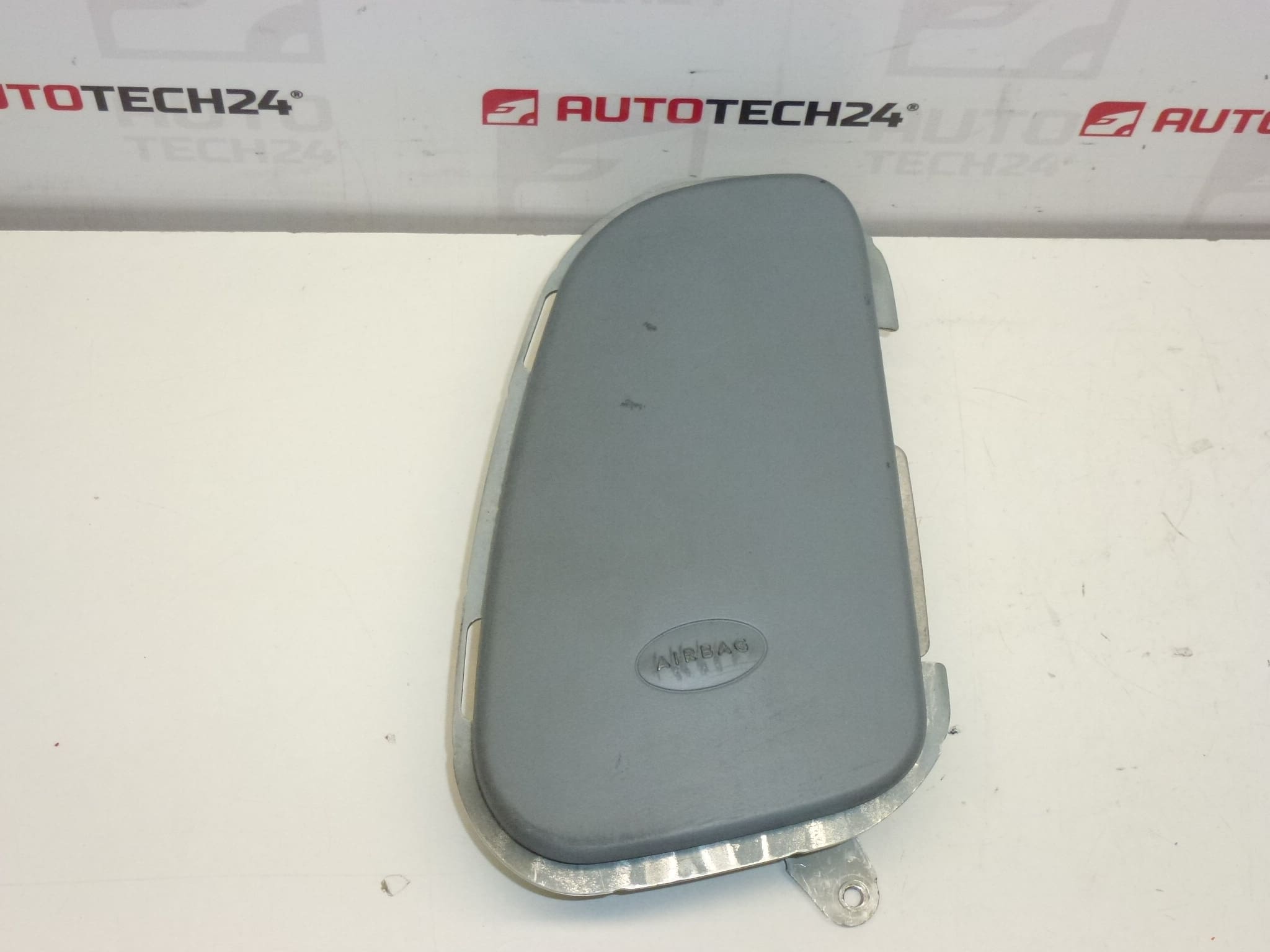
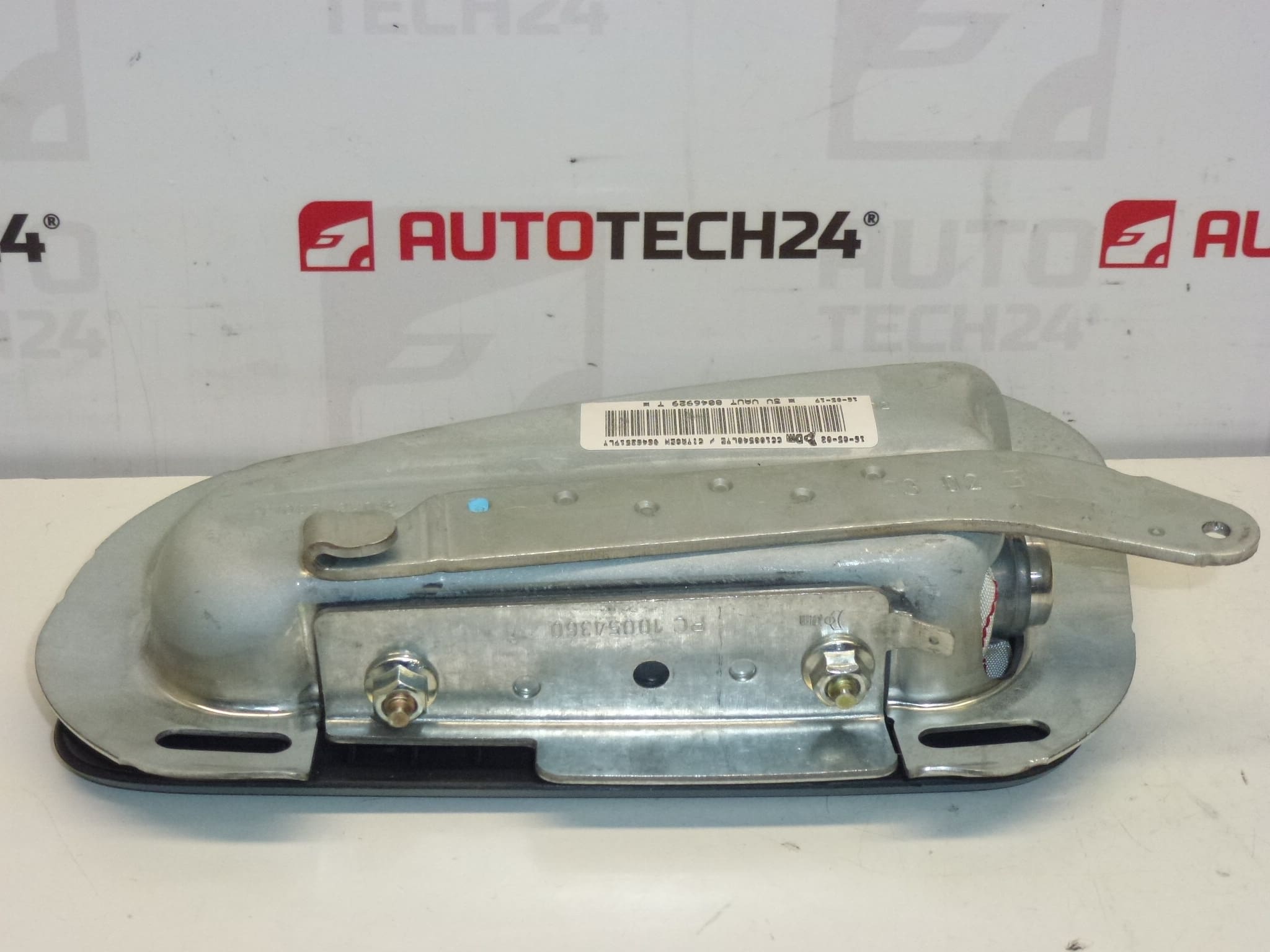
Seat airbag for Citroën C2 C3
Driver Seat
Color HLT – Blue Arthurien (Arthurian)
This left seat airbag is specified for Citroën C2 and Citroën C3 models and is listed under part numbers 96462517LT and 8216Q6 (Stellantis/Citroën/Peugeot references). Designed for the driver seat, the unit is a direct-fit replacement for vehicles that accept these OEM codes. The listing title also refers to a light grey left variant; please verify the colour code printed on the part if colour matching of the upholstery is important for your installation.
Product Benefits
Engineered to integrate into the factory seat structure, this airbag preserves the original deployment characteristics and visual appearance when fitted to compatible Citroën C2 and C3 seats. Including OEM part numbers in the description makes this product easy to find in search by mechanics and DIY enthusiasts looking for an exact-match replacement.
Technical Information
- Manufacturer: Stellantis / Citroën / Peugeot
- Model: Citroën C2, Citroën C3
- Product Codes: 96462517LT, 8216Q6
- Additional Numbers: 8216Q6, 96462517LT (tags on listing)
Function And Typical Faults
The seat side airbag protects the occupant’s torso and pelvis in side-impact events. It is deployed by the SRS control system when crash sensors detect a qualifying side impact. Common reasons a seat airbag assembly is replaced include deployment during a collision, damage to the airbag cover or mounting during repairs, water ingress or corrosion to connectors, or electrical faults recorded by the vehicle’s SRS system.
Replacement Interval And Durability
Airbags do not have a regular wear interval like consumables; they are typically replaced after deployment or when damaged. Environmental factors such as prolonged moisture exposure, improper repairs, or physical damage to the seat can shorten the serviceable life and lead to faults or non-deployment. Always inspect connectors, harnesses and the seat structure for corrosion or damage when servicing the airbag.
Installation Recommendations
- Disconnect the vehicle battery and wait at least 10 minutes before starting work to reduce the risk of accidental deployment.
- Follow the vehicle manufacturer’s seat and airbag removal procedure: remove trim panels carefully to avoid damaging the airbag cover and clips.
- Handle the airbag module with the trim side away from you. Do not apply power or test the airbag connector by energizing the circuit.
- Ensure connectors are clean, free of corrosion and fully locked when refitting. Use new fasteners where required and torque to manufacturer specifications.
- After installation, diagnostics are required to clear SRS fault codes and verify system integrity; use appropriate diagnostic equipment to confirm the SRS light behavior and system readiness.
Why This Part Most Commonly Fails
Seat airbags are most often replaced after deployment in a crash. Secondary causes include damage from seat removal or upholstery work, connector corrosion from moisture ingress, and electrical faults reported by the SRS module. Improper repairs or using non-compatible parts can prevent correct deployment.
Notes For Mechanics And DIYers
This listing contains OEM part numbers for fast identification in catalogs and search engines. Ensure fitment by matching the part numbers stamped on the original module and checking seat trim colour if visual consistency is important. If you are not equipped to perform SRS diagnostics, have the vehicle checked by a qualified technician after fitting.