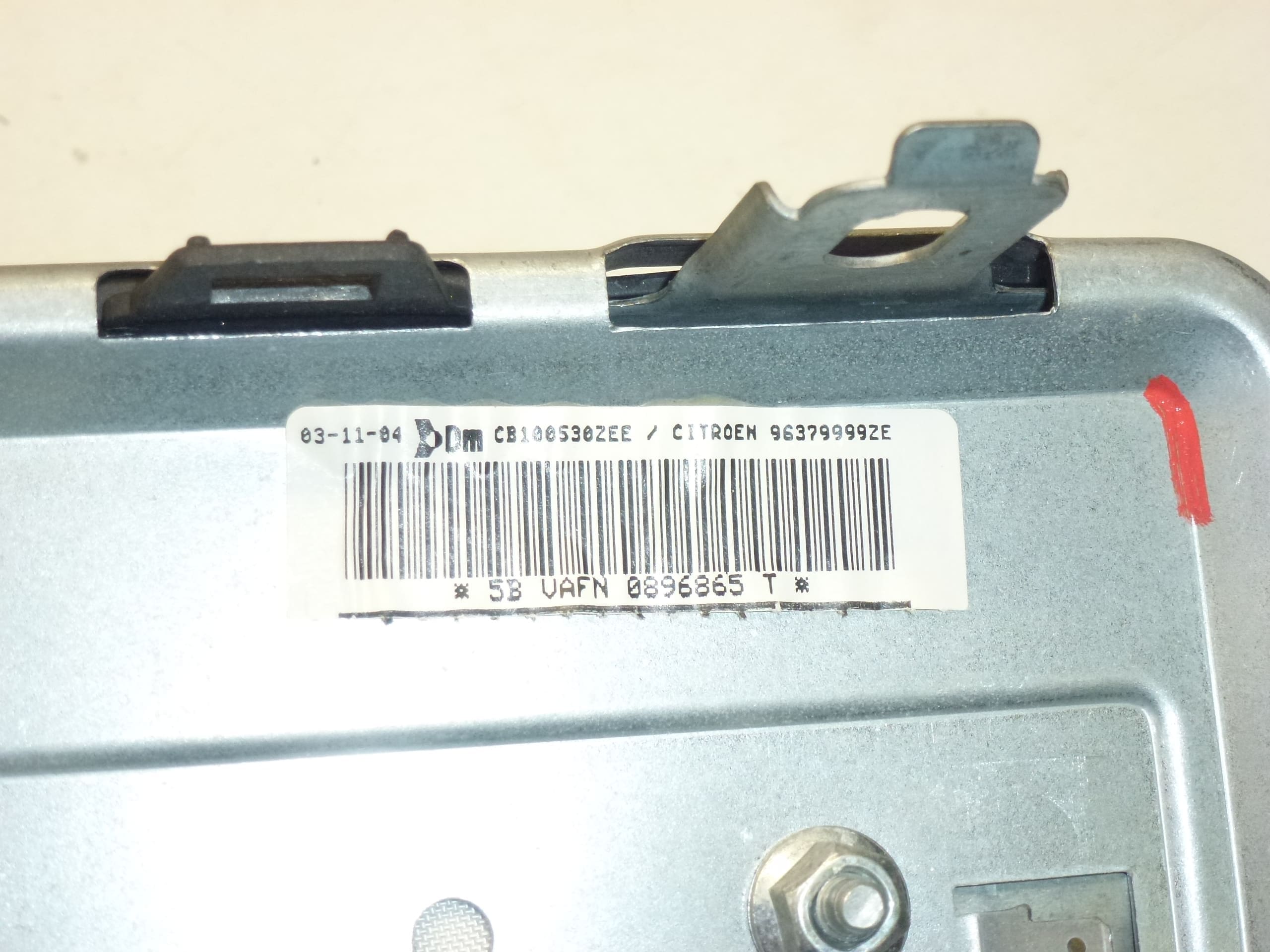
Description
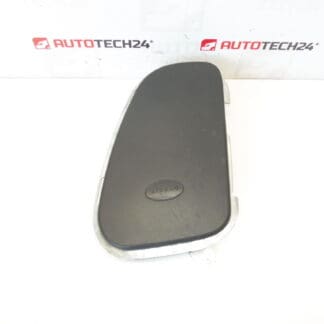
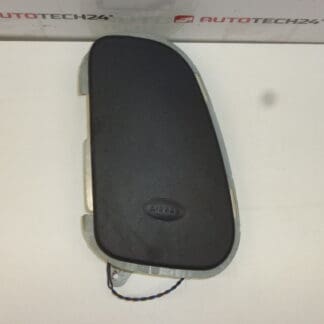
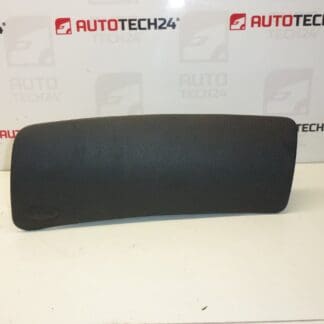
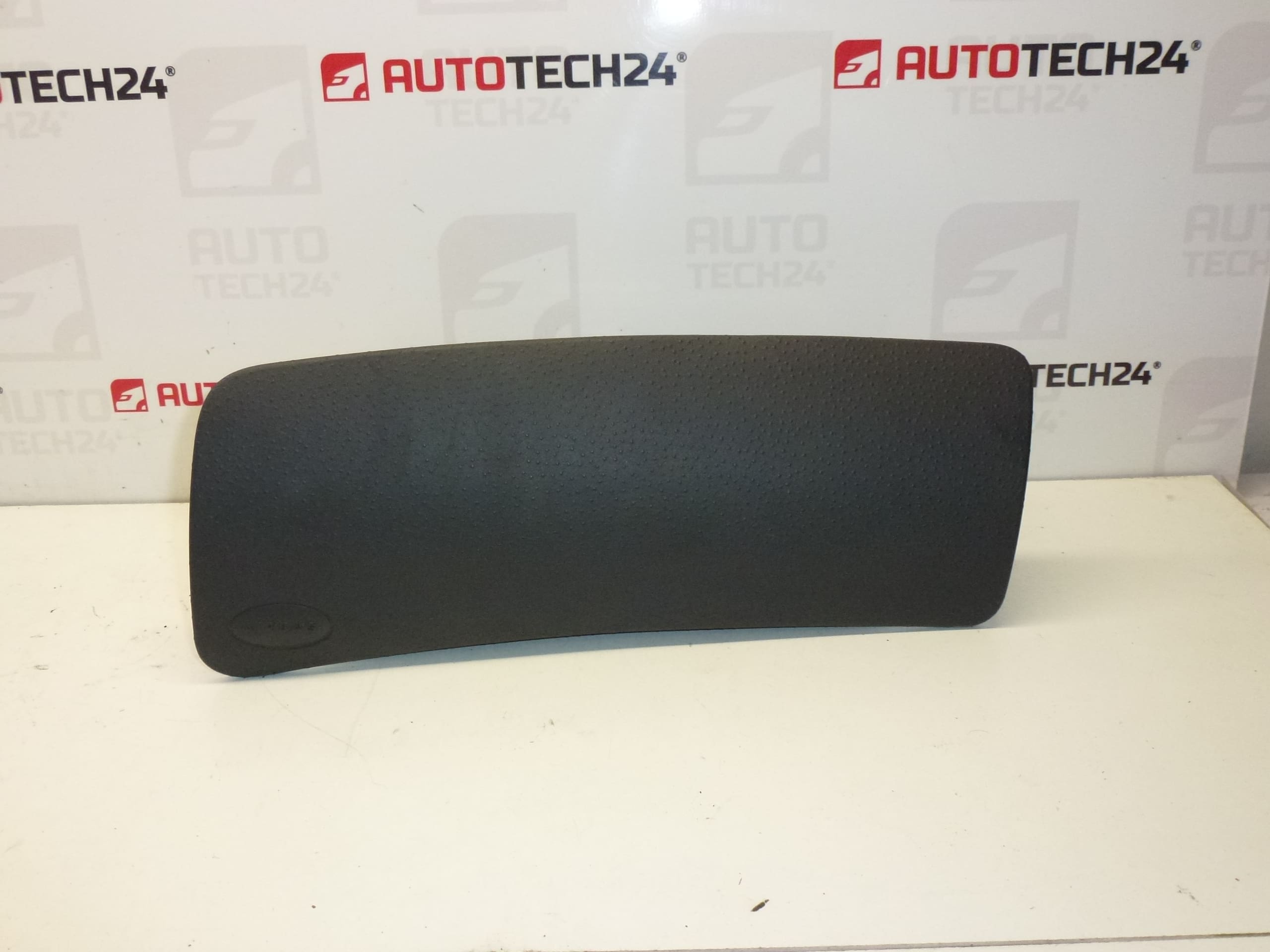
Passenger airbag for Citroën C2, C3 and Pluriel. Color – HZE – TRAMONTANE
This passenger airbag (OEM references 96379999ZE, 8216Y4) is designed for Citroën small cars and is a direct-fit replacement for models C2, C3 and C3 Pluriel. Ideal for professional workshops and competent DIY mechanics, this airbag unit restores occupant protection and clears SRS fault codes when fitted correctly. Many technicians and owners search by part numbers 96379999ZE or 8216Y4 — including these references in your order helps ensure correct selection.
The passenger airbag deploys in moderate to severe frontal impacts to protect the front-seat passenger by reducing contact with interior structures. The module includes the inflatable cushion, inflator assembly and mounting points matched to the vehicle dash. It is finished in the Tramontane trim (HZE), matching interior styling and airbag cover colour on the listed models.
Technical Information
- Manufacturer: Stellantis (Citroën)
- Model: Citroën C2, Citroën C3, Citroën C3 Pluriel
- Product Codes: 96379999ZE, 8216Y4
- Additional Numbers: 8216Y4
Installation Recommendations
- Safety First: Disconnect the negative battery terminal and wait at least 10 minutes before starting work to allow the SRS capacitors to discharge.
- Remove Trim Carefully: Remove the dashboard trim and fasteners that retain the passenger airbag module according to vehicle-specific access points.
- Disconnect Connectors: Unplug the airbag electrical connectors by releasing the locking tabs — avoid pulling on wiring.
- Replace Module: Fit the new airbag module, secure fasteners to the manufacturer’s specified torque where available, and reconnect connectors ensuring positive engagement.
- System Reset: Reconnect the battery and clear SRS fault codes with a suitable diagnostic tool. Verify that the SRS warning light extinguishes after the system check.
- Final Check: Confirm fitment of trim and that no warning lights remain. If SRS faults persist, re-check connectors and wiring or consult factory wiring diagrams.
Why This Part Fails Most Often
- Crash Deployment: The most common cause for replacement is deployment during a collision — deployed modules must be replaced.
- Electrical Faults: Corroded or damaged connectors, wiring harness faults, or poor grounding can trigger SRS warnings and disable the airbag.
- Occupant Detection/Seat Sensor Issues: Faults in the passenger presence system or seat wiring can affect airbag readiness and trigger diagnostic faults.
- Water Ingress And Interior Damage: Moisture from leaks or flood damage can corrode connectors and inflator components, causing failure.
- Age And Environmental Exposure: While airbags have no fixed service life, prolonged exposure to harsh conditions or previous vehicle repairs can compromise module integrity.
Notes For Buyers: Use the part numbers 96379999ZE and 8216Y4 when searching or ordering to increase the chance of immediate compatibility with Citroën C2, C3 and C3 Pluriel dashboards. This product is intended for replacement by trained personnel or experienced DIYers who follow SRS safety procedures.