Description
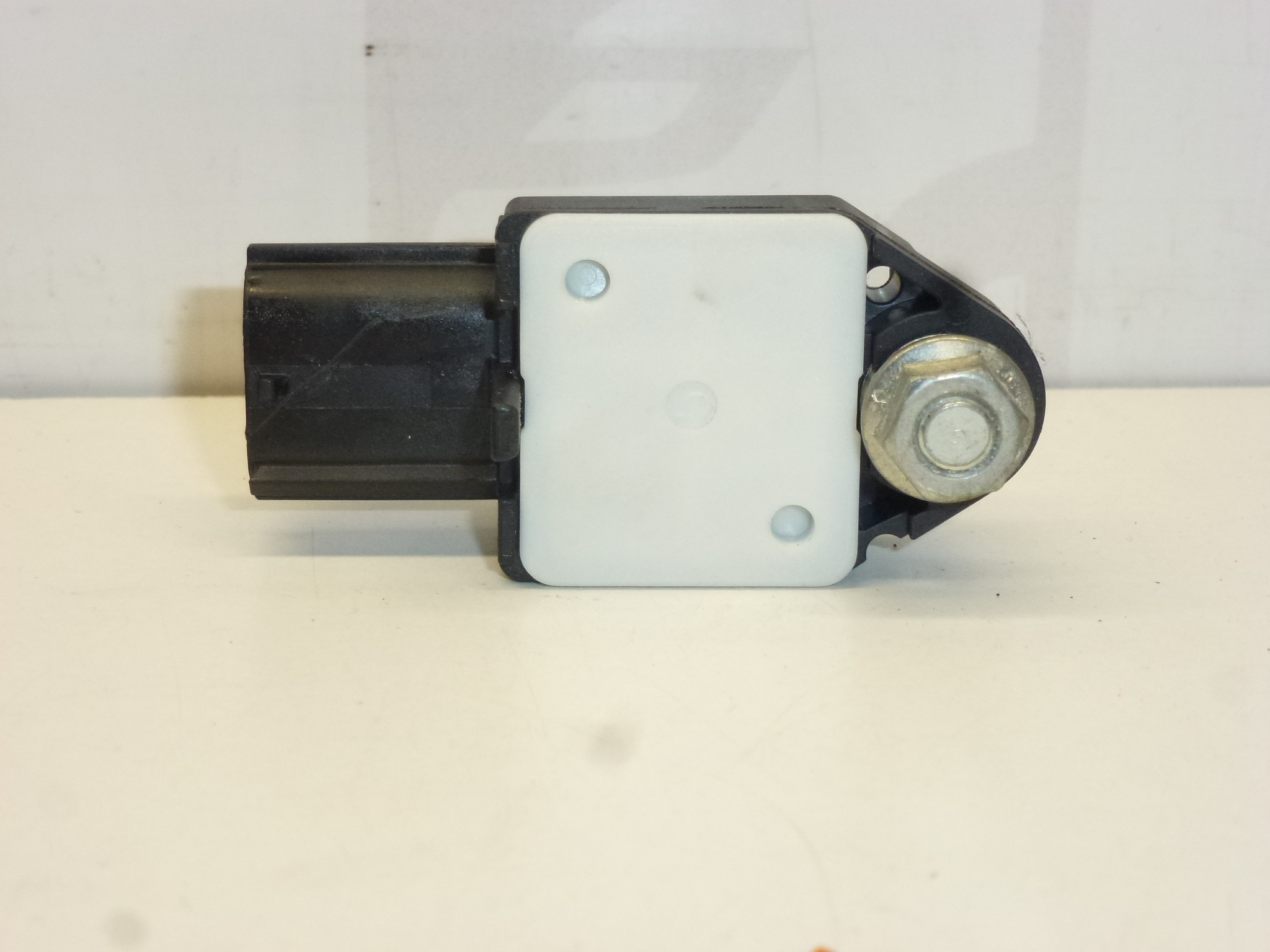
ABL Acceleration Sensor – Side Impact For Citroën C1, Peugeot 107 And Toyota Aygo Up To 2013
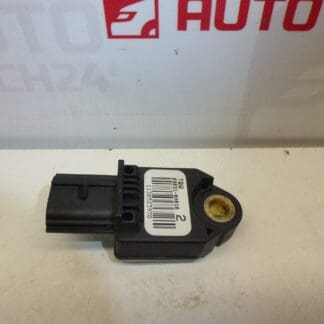
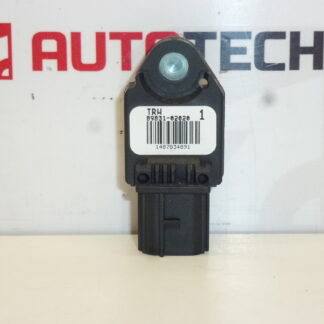
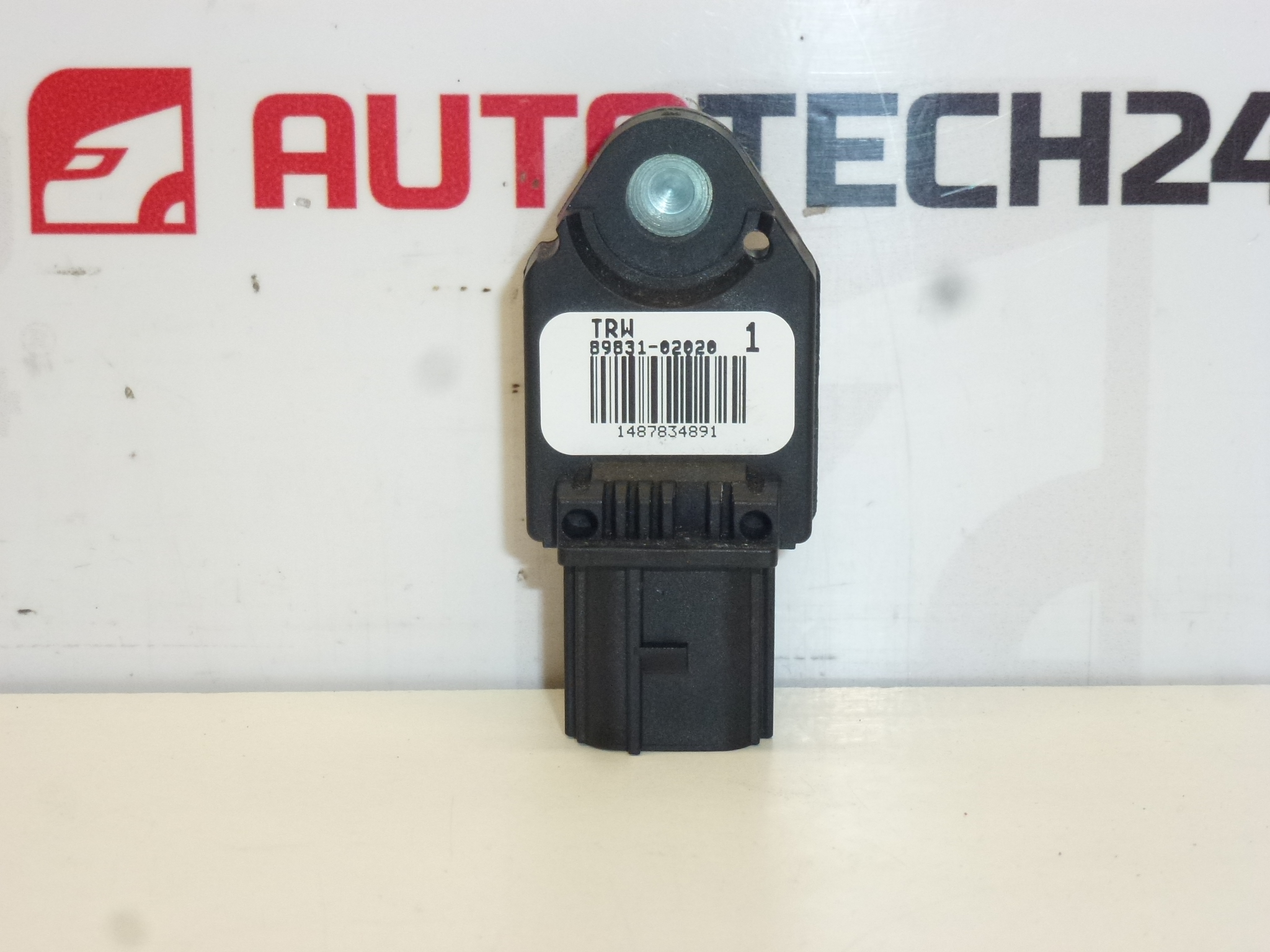
High-quality side impact (ABL) acceleration sensor designed for Citroën C1, Peugeot 107 and Toyota Aygo models produced up to 2013. This sensor monitors lateral acceleration and provides the critical input needed by the airbag control system to deploy side airbags and activate pretensioners in a side collision. Ideal for professional workshops and experienced DIY mechanics looking for a reliable OE-compatible replacement part identified commonly by product codes 89831-02020 and 8216HY.
Designed To Restore Proper Side Airbag Functionality: The Sensor Detects Rapid Lateral Deceleration And Sends A Signal To The Airbag Control Unit To Initiate Deployment Logic. Replacement Sensors Are Often Sought Using The Original Part Numbers, So Having The Correct Code Helps Ensure Fast Identification And Fitment.
Application And Compatibility
Compatible With The Following Models (Up To 2013):
- Citroën C1
- Peugeot 107
- Toyota Aygo
Technical Information
- Manufacturer: Stellantis / Citroën / Peugeot
- Model: Citroën C1; Peugeot 107; Toyota Aygo (up To 2013)
- Product Codes: 89831-02020; 8216HY
- Other Numbers: NFP (As Marked In Supplied Data)
Function
The Side Impact Acceleration Sensor Measures Lateral G-Forces And Provides Immediate Input To The Airbag Control Unit. When A Predefined Threshold Is Reached During A Side Impact, The Control Unit Triggers Side Airbag Deployment And May Activate Seatbelt Pretensioners. Accurate Sensor Data Is Essential For Timely And Correct Airbag Activation.
How To Replace On The Vehicle
- Park The Vehicle On A Level Surface And Ensure The Ignition Is Off.
- Disconnect The Negative Battery Terminal And Wait A Minimum Of 2–3 Minutes To Allow System Capacitors To Discharge.
- Remove Interior Trim Panels Or B-Pillar Covers To Access The Sensor Location (Location Varies By Model; Commonly Mounted On B-Pillar Or Seat Structure).
- Carefully Disconnect The Electrical Connector And Unbolt The Sensor From Its Mounting Point.
- Install The New Sensor In The Same Orientation, Torque Fasteners To Manufacturer Specifications, And Reconnect The Connector Securely.
- Reinstall Trim Panels, Reconnect The Battery, And Clear Any Airbag Fault Codes With A Suitable Diagnostic Tool. Verify System Integrity Before Returning The Vehicle To Service.
Installation Recommendations
- Always Disconnect The Battery Before Starting Work To Prevent Accidental Airbag Deployment.
- Observe Correct Sensor Orientation And Mounting Position—Incorrect Alignment Can Prevent Proper Detection.
- Use Appropriate Torque Values For Fasteners And Ensure Electrical Connectors Are Clean And Fully Seated.
- If An Airbag Warning Light Persists After Replacement, Perform A Diagnostic Scan To Identify Fault Codes; Resetting Without Diagnostics Is Not Recommended.
- Prefer Installation By Trained Technicians When In Doubt, As The Airbag System Is A Safety-Critical Component.
Common Failure Causes
- Impact Damage: Sensor Replacement Is Common After Side Collisions Where The Sensor Has Been Activated Or Physically Damaged.
- Corrosion Or Water Ingress: Moisture Entering Connector Areas Can Cause Intermittent Signals Or Complete Failure.
- Connector Damage Or Poor Contact: Pins Bent, Corroded, Or Not Fully Seated Can Lead To Fault Codes.
- Mechanical Shock Or Mounting Looseness: Improper Mounting After Previous Repairs May Affect Sensor Readings.
- No Scheduled Replacement Interval: Sensors Normally Remain Serviceable Unless Damaged Or Faulty.
Why Choose This Part
Part Numbers 89831-02020 And 8216HY Match Common OEM References For The C1/107/Aygo Range, Making This Sensor A Practical Choice For Fast Identification And Fitment. Suitable For Mechanics And Experienced DIYers Who Require A Direct Replacement To Restore Side Airbag Function.