Description
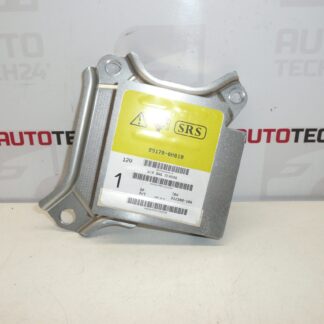
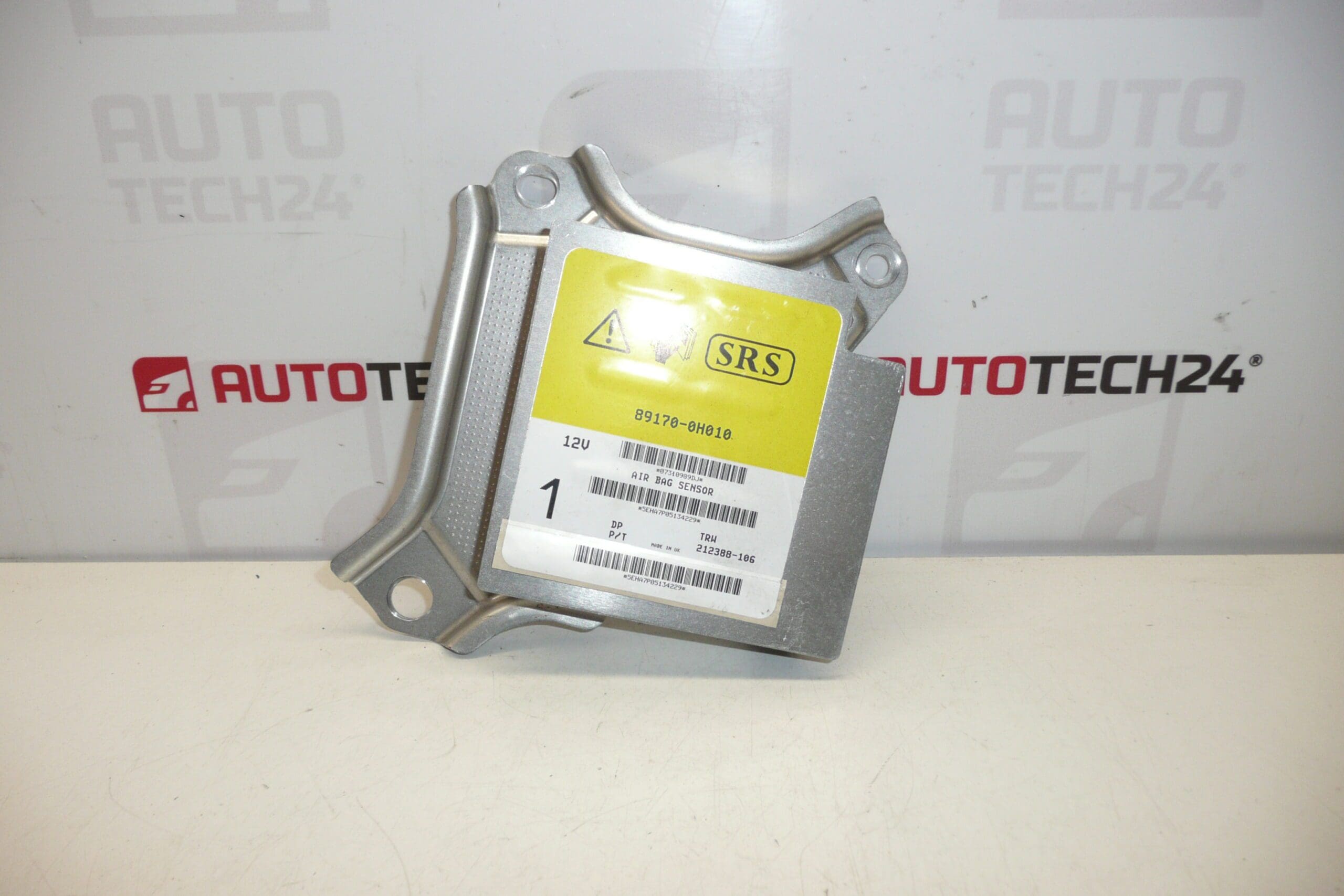
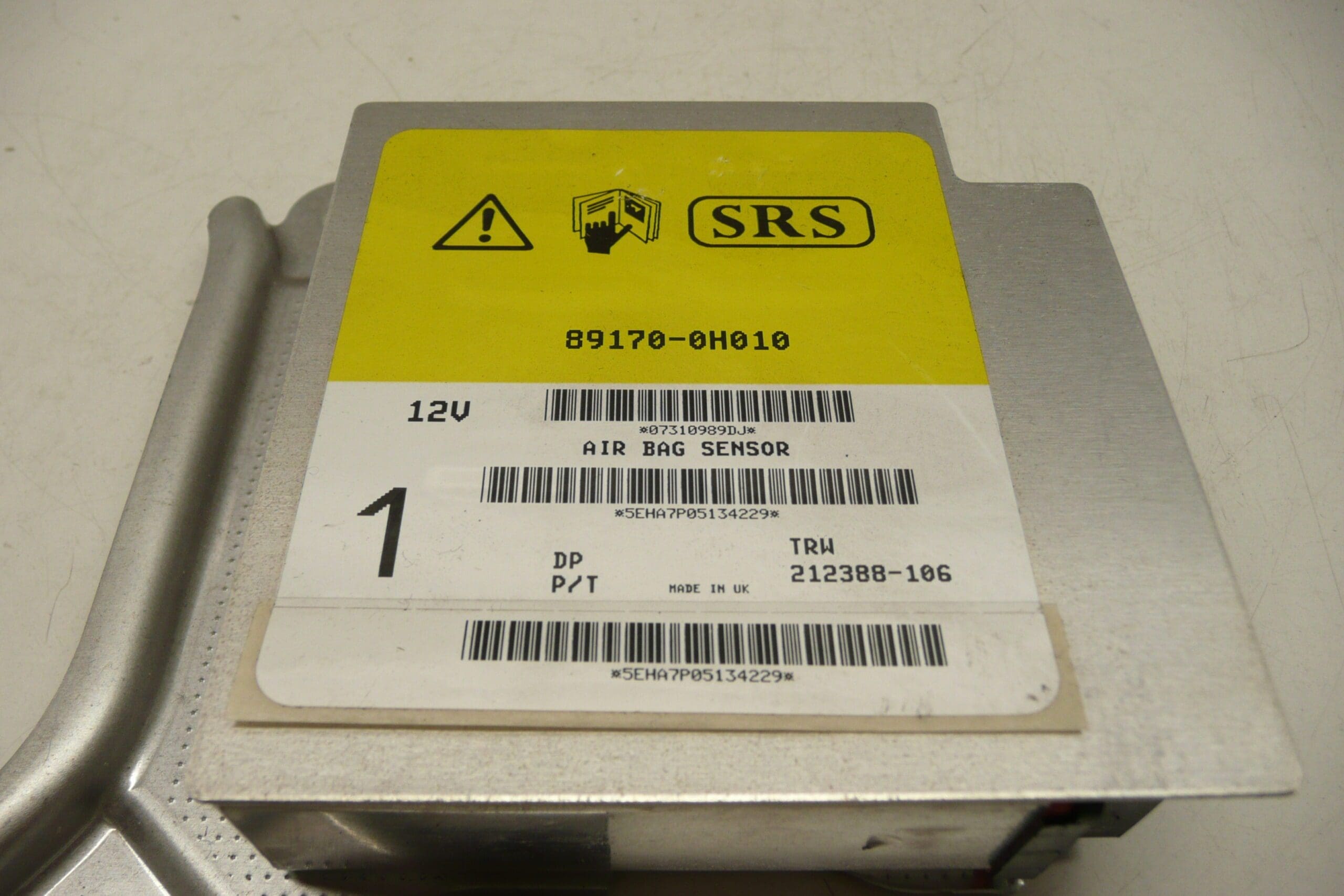
Airbag Unit For Citroën C1, Peugeot 107 And Toyota Aygo. It Is Fully Functional.
This genuine airbag control unit (SRS Module) is suitable for Citroën C1, Peugeot 107 and Toyota Aygo models and carries the OEM identifiers often requested by workshops and DIYers. The unit is an essential safety component that monitors crash sensors, controls airbag deployment and stores fault codes. Offered with clear product codes to simplify parts lookup and fitment checks, this module is ideal for mechanics replacing a triggered or faulty SRS unit or for enthusiasts performing repairs themselves.
Applications
Compatible With:
- Citroën C1
- Peugeot 107
- Toyota Aygo
Technical Information
- Manufacturer: Stellantis
- Model: Citroën C1 / Peugeot 107 / Toyota Aygo
- Product Codes: 89170-0H010
- Other Numbers: 6546F5, NFP
Function And Service Overview
The Airbag Control Unit (SRS Module) Continuously Monitors Crash Sensors, Seatbelt Pretensioners And Impact Signals. In The Event Of A Collision It Processes Input From Multiple Sensors And Triggers The Appropriate Restraint Systems. The Unit Also Stores Fault Codes And Crash Data That Helps Diagnose System Status. After An Airbag Deployment The Control Unit Usually Needs Replacement Or Professional Reinitialization.
How Replacement Is Performed
General Replacement Steps (Guideline For Experienced Technicians Or Skilled DIYers):
- Disconnect The Vehicle Battery And Wait At Least 10–15 Minutes To Allow Capacitors To Discharge.
- Locate The SRS Unit — On These Models It Is Commonly Found Under The Center Console Or Beneath A Front Seat Depending On Trim And Year.
- Remove Any Trim Panels And Fasteners Securing The Unit, Then Carefully Disconnect Electrical Connectors.
- Install The Replacement Unit, Reconnect Connectors Securely And Refit Fasteners And Trim.
- Clear SRS Faults And Confirm System Status With A Diagnostic Tool Capable Of Reading Airbag Codes; Verify Airbag Warning Lamp Behavior.
Installation Recommendation
- Always Disconnect The Battery Before Starting Work And Observe Anti-Static Precautions.
- Use Proper Tools To Avoid Damaging Connectors Or Mounting Points.
- After Fitting, Use A Suitable Diagnostic Tool To Clear Fault Codes And Confirm System Functionality.
- If The Original Unit Was Damaged By A Crash, Follow Manufacturer Guidance For System Reset And Component Replacement.
Most Common Reasons For Failure
- Crash Activation — Units Often Require Replacement After Airbag Deployment.
- Water Ingress Or Corrosion Affecting Connectors And Circuitry.
- Electrical Surges Or Short Circuits Causing Internal Damage.
- Connector Damage Or Poor Grounding Leading To Intermittent Faults.
- Age-Related Component Degradation Or Manufacturing Defects.
Notes For Mechanics And DIYers
Part Numbers Like 89170-0H010 And Reference 6546F5 Are Frequently Used When Searching For Replacements — Entering These Codes In Parts Catalogues Increases The Chance Of Finding The Correct Unit Quickly. Always Confirm Physical Connector Layout And Mounting Points Before Final Fitment.