Description
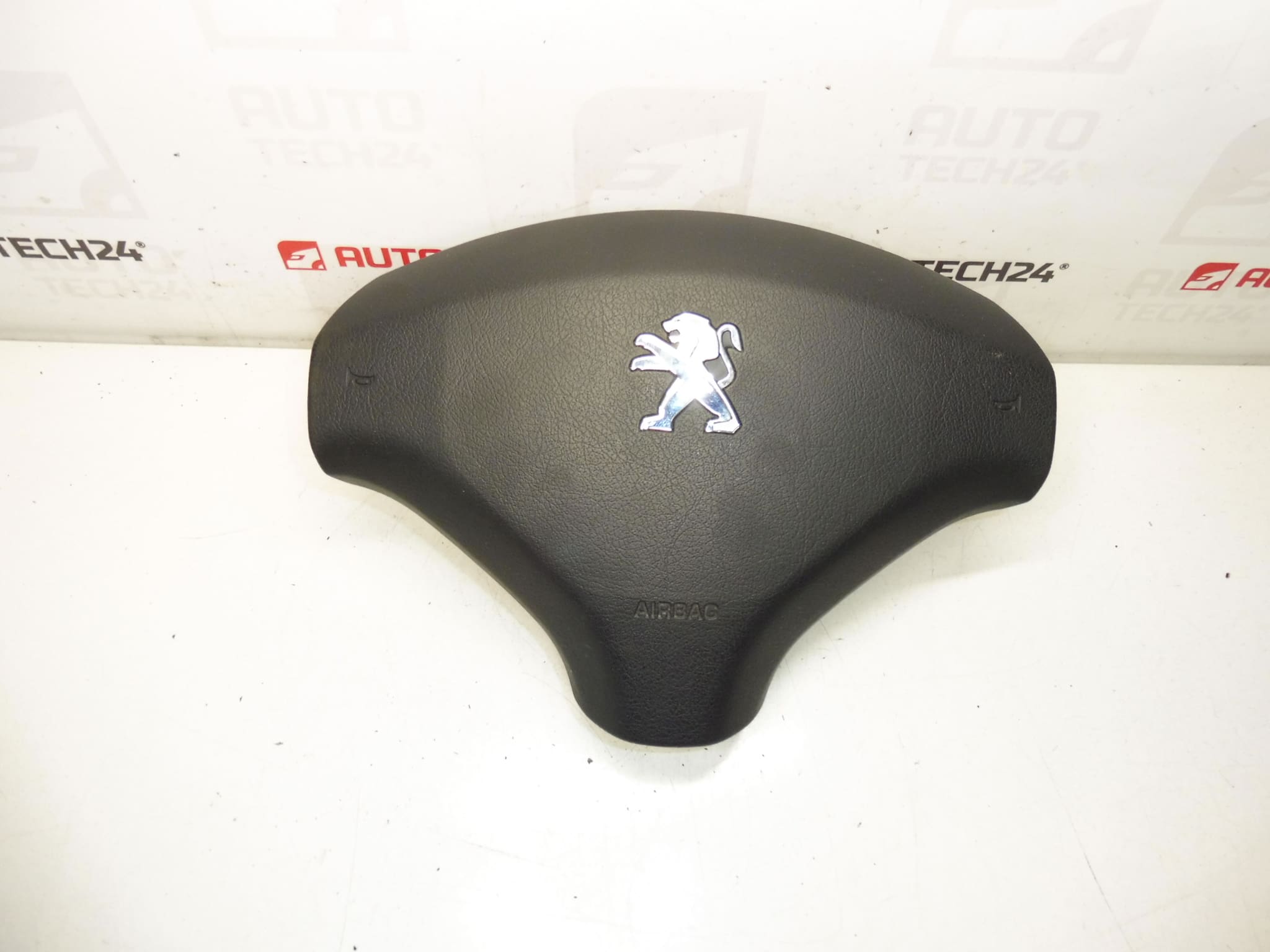
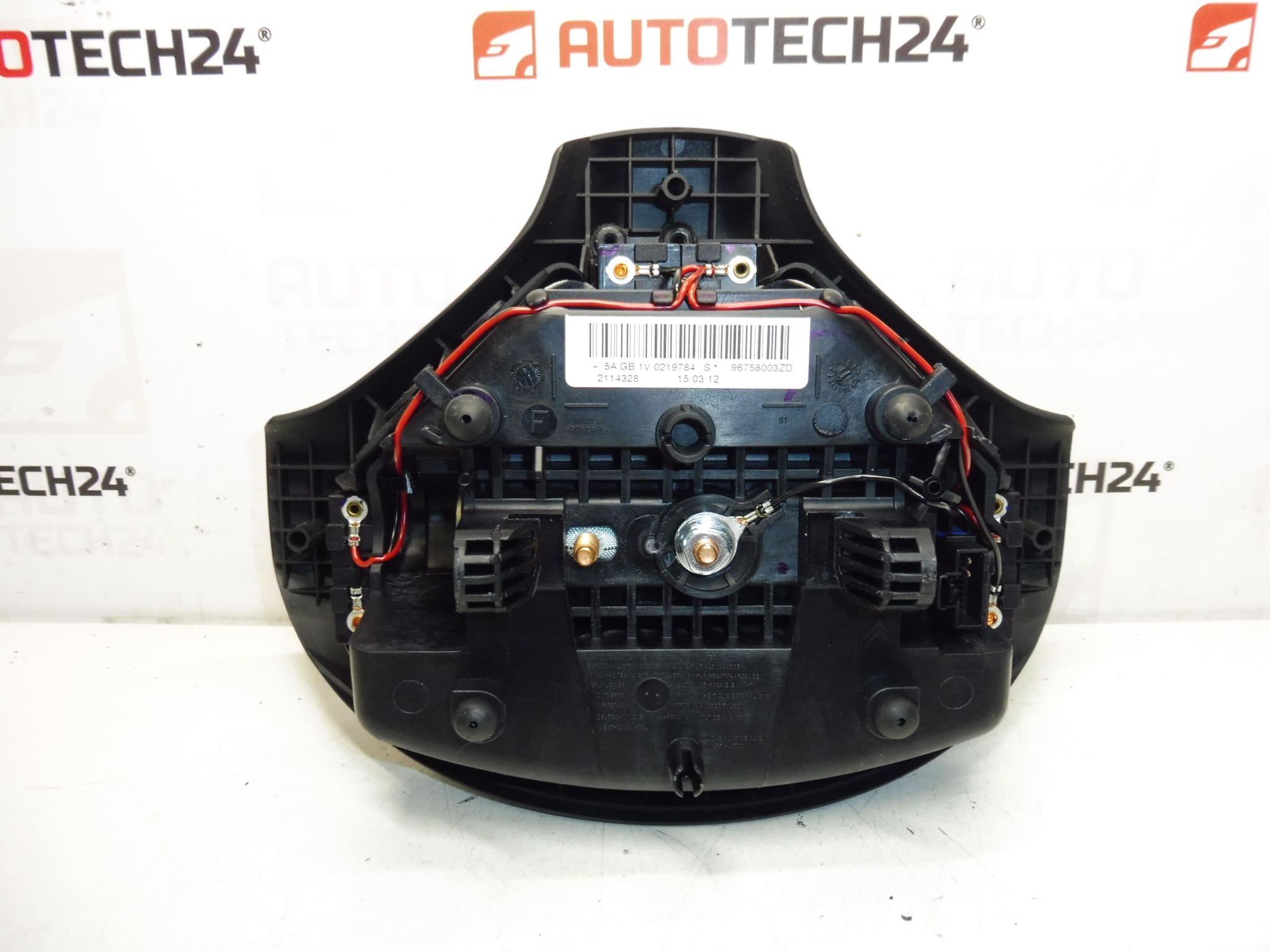
Steering Wheel Airbag for Peugeot 308 T7 – New Logo Driver Side
This original-fit steering wheel airbag module is designed specifically for Peugeot 308 T7 models with the new Peugeot logo. Ideal for professional workshops and experienced DIY mechanics, the module restores full driver frontal protection after deployment or component failure. It is supplied as a complete airbag assembly (inflator and airbag cushion) intended for direct replacement in compatible steering wheels. Common search terms include Peugeot 308 steering wheel airbag, driver airbag 96758003ZD, and part number 4112QQ.
Function And Key Benefits
The steering wheel airbag protects the driver in frontal and offset collisions by deploying the inflator and rapidly inflating the cushion to reduce impact forces. This module includes the inflator, folded airbag cushion and the trim/cover interface for a clean fit with the steering wheel. Benefits include OEM fitment, reliable deployment characteristics when installed correctly, and straightforward replacement of a previously deployed or damaged unit.
Technical Information
- Manufacturer: Stellantis / Peugeot
- Model: Peugeot 308 T7 (New Logo) — Driver Side
- Product Codes: 96758003ZD
- Other Numbers: 4112QQ
Compatibility
Fits Peugeot 308 T7 models equipped with the new Peugeot logo steering wheel and original SRS connectors. Always verify that the steering wheel design and connector type match before installation.
Installation Recommendations
- Disconnect the negative battery terminal and wait at least 10 minutes to allow the SRS capacitors to discharge before beginning work.
- Follow manufacturer instructions for steering wheel removal: disable airbags, remove trim pieces, and unbolt the airbag module retaining bolts.
- Carefully release airbag electrical connectors—observe connector locks and orientation; avoid pulling on wiring.
- Fit the replacement module ensuring correct alignment and secure all fasteners to the manufacturer’s torque specifications.
- After installation, reconnect the battery and perform SRS system checks. Clear codes using appropriate diagnostic equipment and confirm the SRS indicator extinguishes.
- Use proper personal protective equipment and handle the module by its housing; do not expose the inflator to heat, open flame, or moisture.
Why This Part Most Commonly Fails
Airbag modules rarely fail under normal conditions. Typical causes for replacement are prior deployment in a collision, physical damage to the steering wheel or module, water ingress or corrosion of electrical connectors, and electrical faults indicated by SRS warning lights. A common associated issue is a damaged clock spring (spiral cable) in the steering column, which can interrupt the airbag circuit and trigger fault codes even if the airbag module itself is intact.
Notes For Professionals
Replacement should be performed by qualified technicians or experienced DIYers familiar with SRS systems. Use appropriate diagnostic tools to confirm electrical integrity and to reset SRS faults. Do not attempt repairs on an airbag inflator or cushion; replace the complete module if damaged or once deployed.