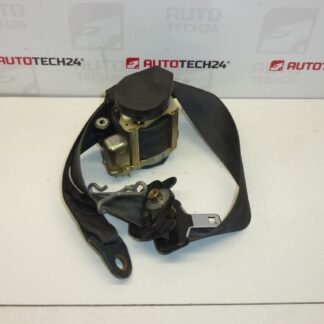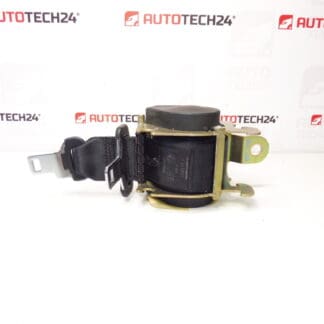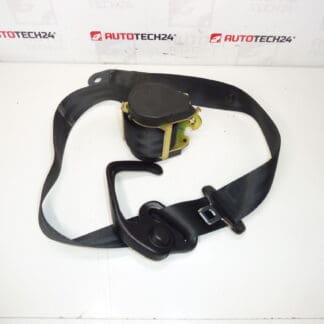
Description
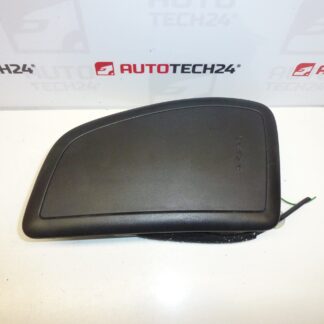
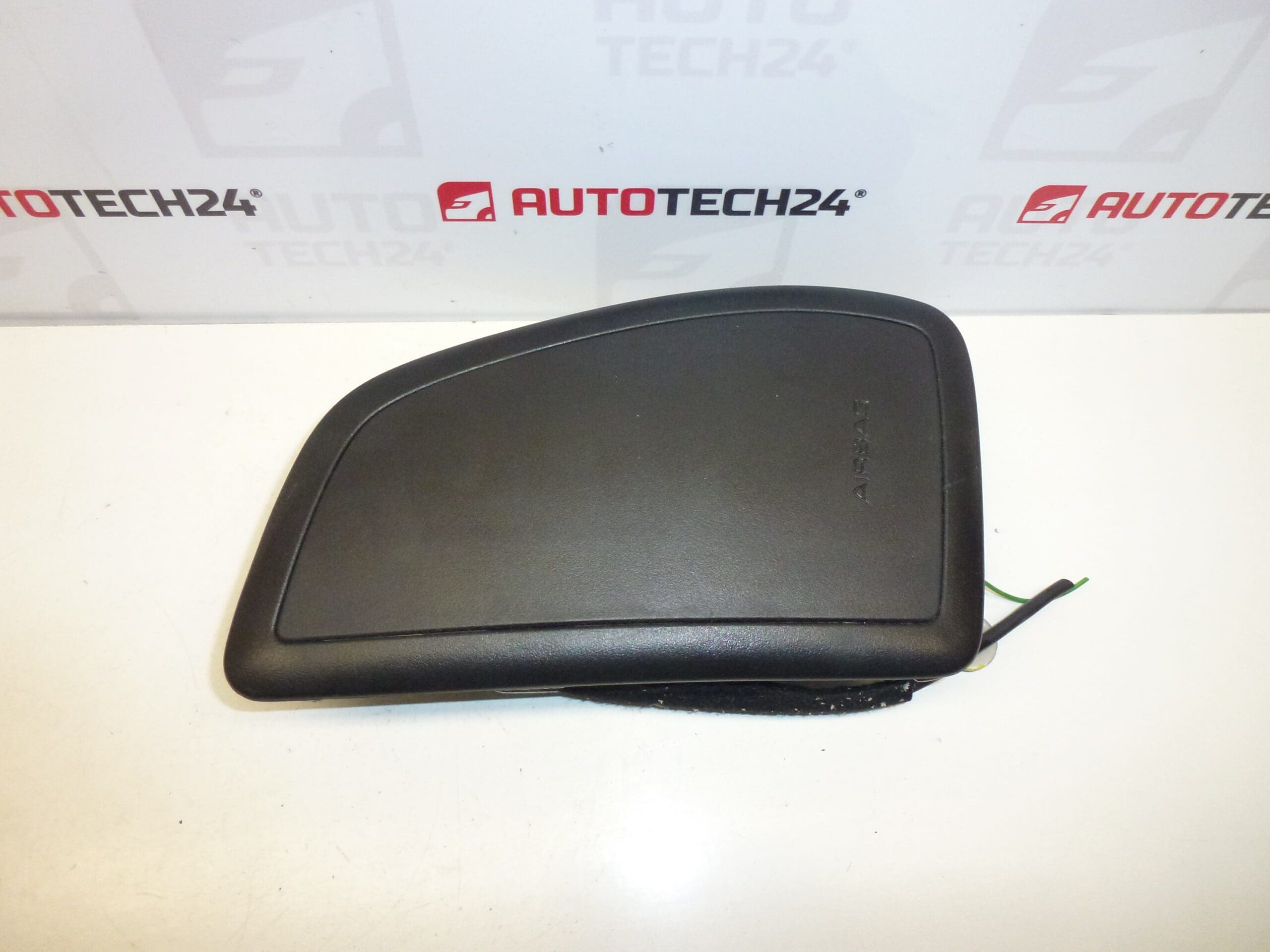
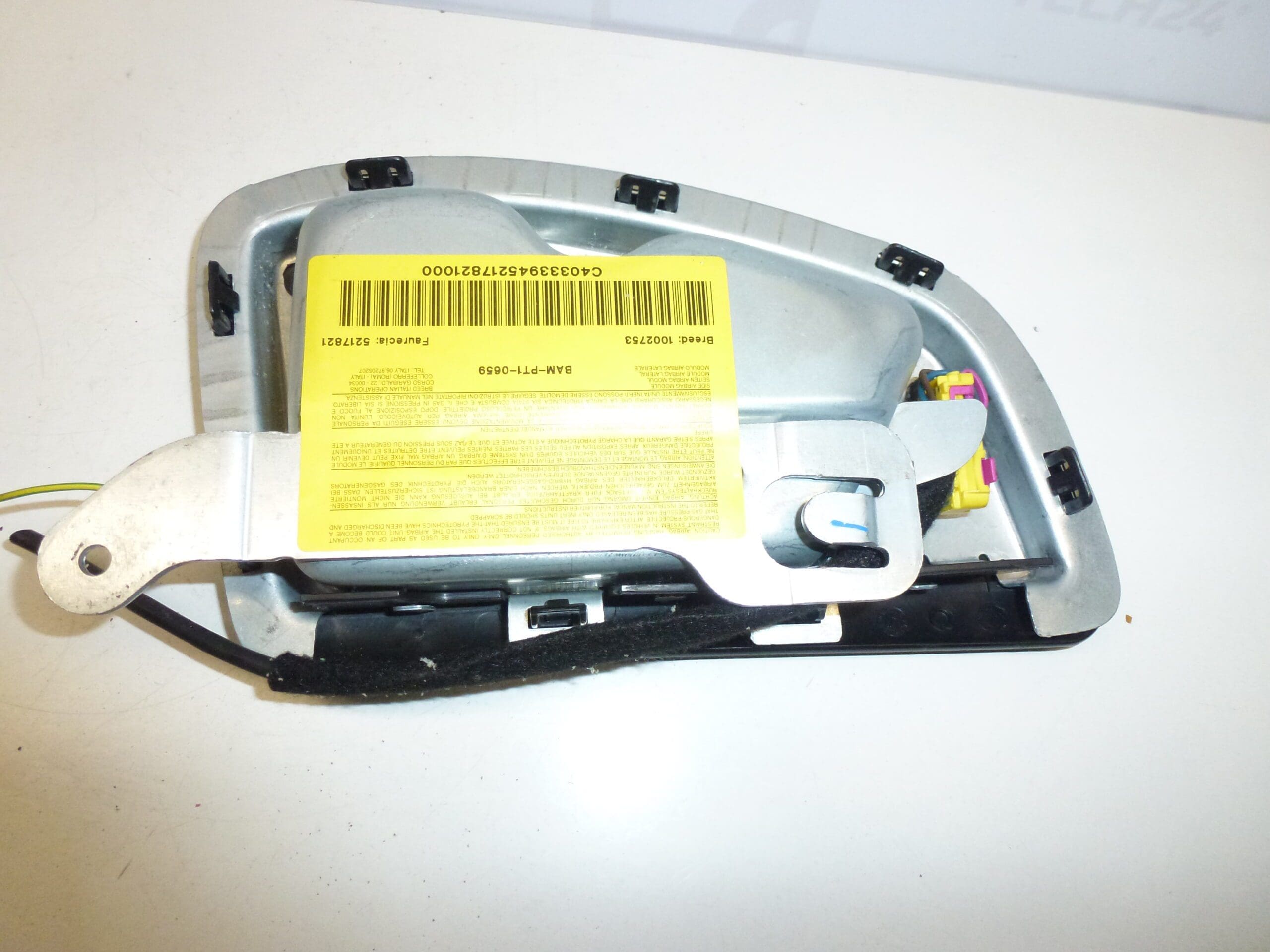
Passenger seat airbag for Peugeot 307. Wiring harness not included.
Product Overview
High-quality passenger seat airbag module designed for Peugeot 307 vehicles. This airbag assembly is intended to replace a deployed or faulty passenger seat airbag to restore occupant protection and fault-free operation of the restraint system. The airbag does not include the seat wiring harness or connectors; these must be reused from the original vehicle or ordered separately.
Function And Application
The seat airbag inflates during a qualifying frontal or offset collision to protect the front passenger by reducing head and chest impact forces. It is a passive safety component integrated into the passenger seat structure or seatback, depending on the vehicle variant. Correct installation and secure electrical connections are essential for proper deployment and SRS system integrity.
How It Is Replaced
- Disconnect the vehicle battery and wait at least the time recommended by the manufacturer (typically 10–15 minutes) to allow the SRS capacitors to discharge.
- Remove the seat trim and any seat covers to access the airbag module fixing points.
- Unbolt the airbag module from the seat frame according to the manufacturer procedure and carefully disconnect the airbag connector(s).
- Transfer any required trim pieces or mounting hardware to the replacement module if they are not supplied.
- Install the new airbag by reversing removal steps, secure fasteners to the manufacturer torque, reconnect the battery, and clear SRS fault codes with diagnostic equipment if necessary.
Installation Recommendations
- Always Disconnect The Battery Before Any Work On The SRS System And Observe Manufacturer Safety Intervals.
- Handle The Airbag Module With The Trim Side Facing Up And Do Not Place Affected Side On A Hard Surface.
- Use Appropriate ESD/anti-static Precautions When Working Near Airbag Connectors And Control Units.
- After Installation, Use A Diagnostic Tool To Verify SRS System Status And Clear Any Fault Codes.
- Follow Repair Manual Instructions For Fastener Torque And Connector Locking Procedures.
Why The Part Most Often Fails
Seat airbags typically require replacement after deployment in a crash. Additional causes of failure include water ingress, physical damage from seat impacts or heavy loads, connector corrosion, or improper previous repairs. Fault codes from the SRS control unit will often indicate an open or short circuit on the airbag squib circuit when the module is faulty.
Technical Information
- Manufacturer: Stellantis (Peugeot/Citroën)
- Model: Peugeot 307 (Type 307 I)
- Product Codes: 5217821 / 8216FH / 8216AW
- Additional Numbers: 5217821 | 8216AW | 8216FH
- Notes: Wiring Harness Not Included
Compatibility And Notes
Designed For Peugeot 307 Models. Verify Fitment By Comparing Product Codes And Physical Connector Type With The Original Module. The Wiring Harness And Seat Connectors Are Not Included And Must Be Transferred From The Original Unit Or Ordered Separately.
Keywords
Passenger Seat Airbag, Peugeot 307 Airbag, Seat Airbag Module, 5217821, 8216FH, 8216AW, Front Passenger Airbag, Airbag Replacement