Description
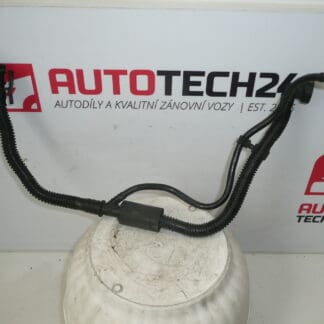
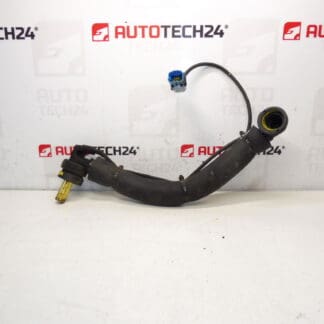
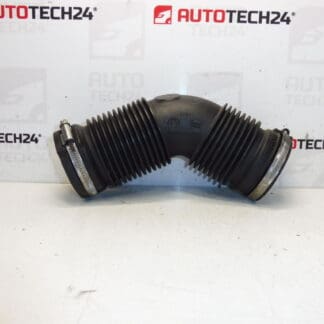
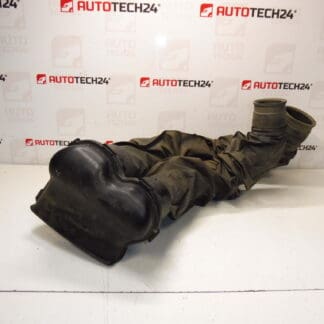
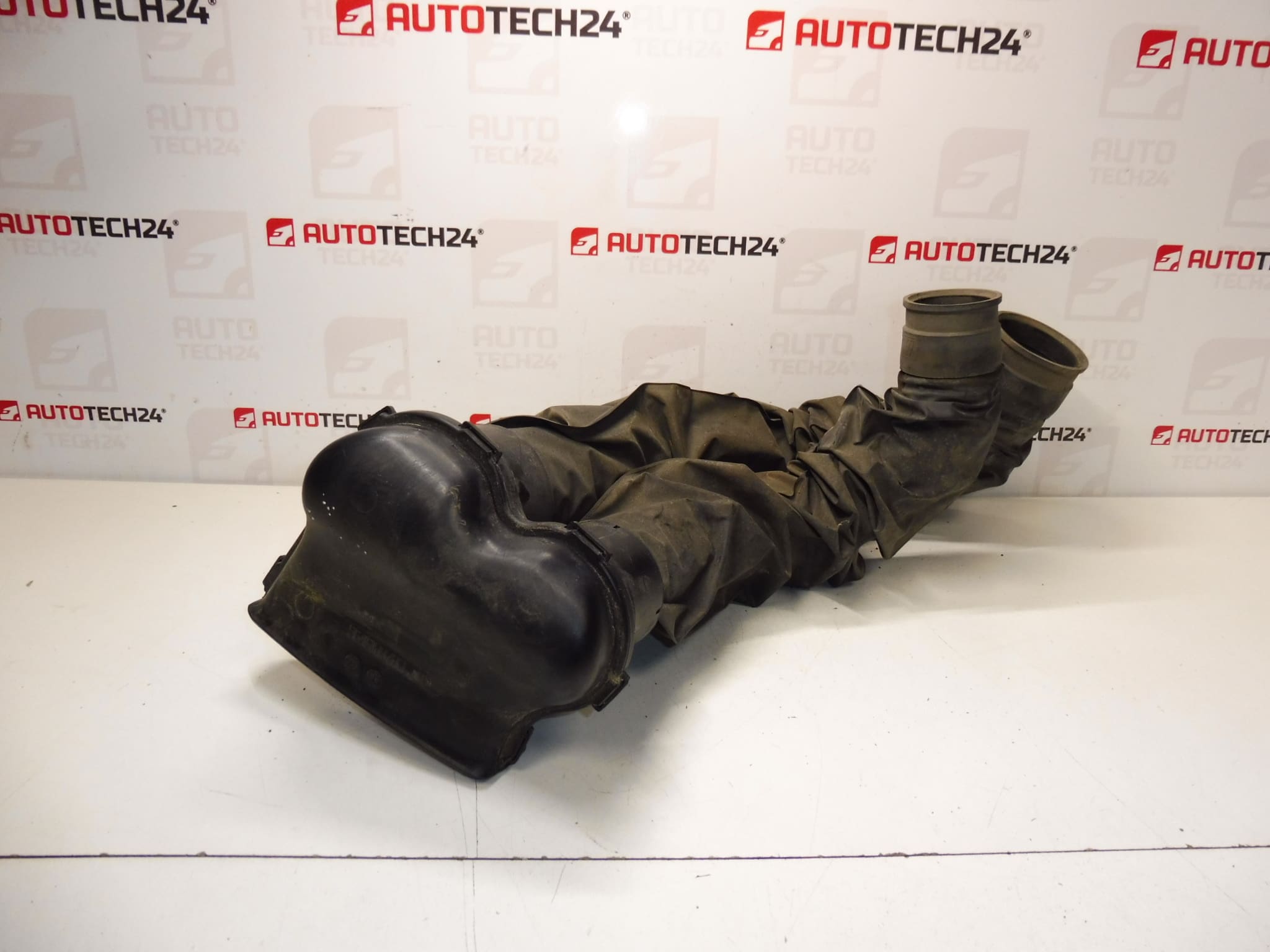
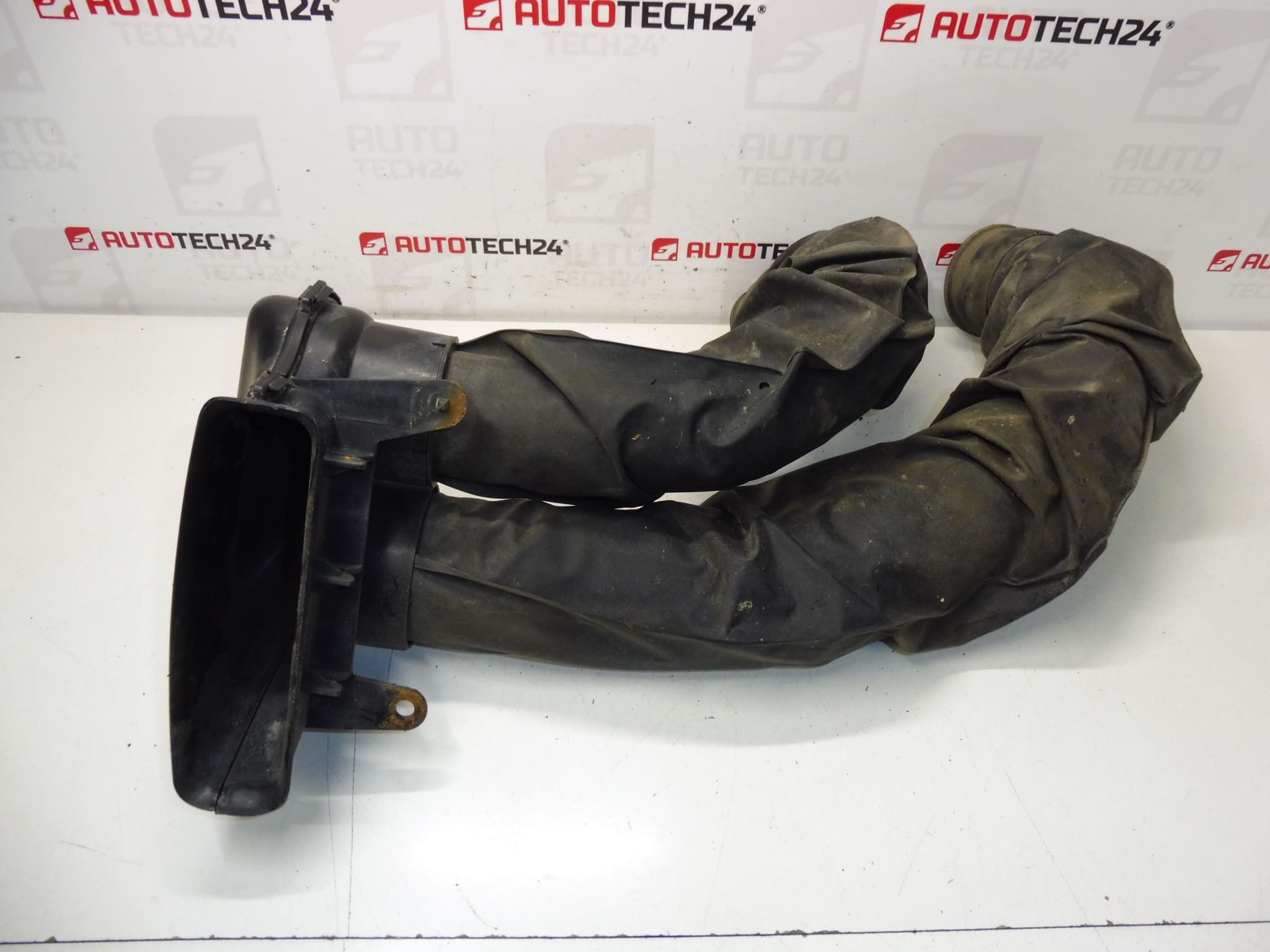
Intake Air Inlet Neck 2.0 16V For Citroën And Peugeot. It Is From Peugeot 307 2.0 16V 130 kW.
This intake air inlet neck connects the air filter box to the throttle body/intake tract on 2.0 16V engines and ensures an airtight path for the induction air. Designed for vehicles in the Stellantis group, the part offers direct replacement for applications using the 2.0 16V 130 kW engine, improving drivability and preventing intake leaks that cause misfires, rough idle or reduced engine performance. The part is commonly referenced by product codes 9646189780 and 144051, which are frequently used by mechanics when searching for the correct replacement.
The component’s function is simple but critical: it guides clean air from the airbox into the engine while keeping the intake tract sealed from unmetered air and contaminants. A damaged or cracked inlet neck can allow vacuum leaks, trigger engine management faults and reduce engine response. Replacement is a straightforward maintenance job for a trained mechanic or experienced DIYer.
Technical Information
- Manufacturer: Stellantis (Citroën / Peugeot)
- Model: Peugeot 307 2.0 16V 130 kW; Fits Citroën models and other vehicles using the same 2.0 16V 130 kW engine (for example Citroën C4)
- Product Codes: 9646189780, 144051
- Additional Numbers: 130 kW
Installation Recommendations
- Park vehicle on level ground and allow the engine to cool before work.
- Remove or loosen the airbox clips and intake hose clamps to access the inlet neck. If fitted, carefully disconnect any intake air temperature sensors or breather hoses and note their positions.
- Inspect surrounding components (airbox, clamps, sensors) and replace any brittle clamps or cracked hoses to ensure a reliable installation.
- Fit the new inlet neck ensuring proper seating on mating flanges, reconnect sensor and breather hoses, then tighten clamps evenly—avoid over-tightening plastic ends.
- After installation, start the engine and check for intake leaks, unusual noises or fault codes. A short road test under various loads confirms correct fitment.
Most Common Failure Causes
- Aging And Material Degradation: Repeated heat cycles and exposure to engine bay oils cause plastic or rubber to harden and crack over time.
- Oil And Contaminant Exposure: Excess crankcase fumes or oil contamination can soften or deform the neck, especially where breather lines are connected.
- Mechanical Damage Or Improper Clamping: Over-tightened clamps, impact damage during service, or incorrect installation can cause splits and leaks.
- Heat Stress Near Turbo Or Exhaust Components: Localized high temperatures accelerate wear on nearby intake components.
This inlet neck is a practical spare for workshops and DIYers who maintain Citroën and Peugeot 2.0 16V engines. Supplied under the referenced codes, it is intended to restore proper air sealing and engine response quickly and cost‑effectively.