Description
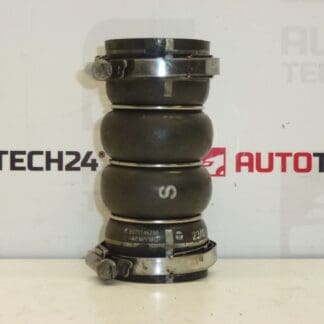
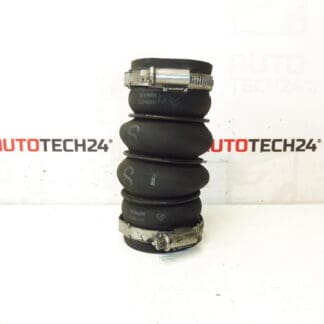
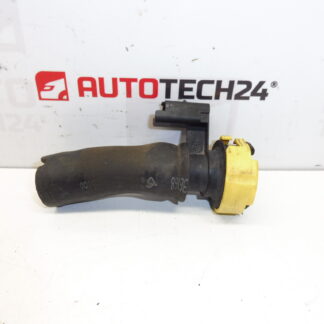
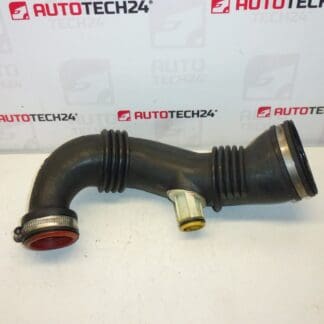
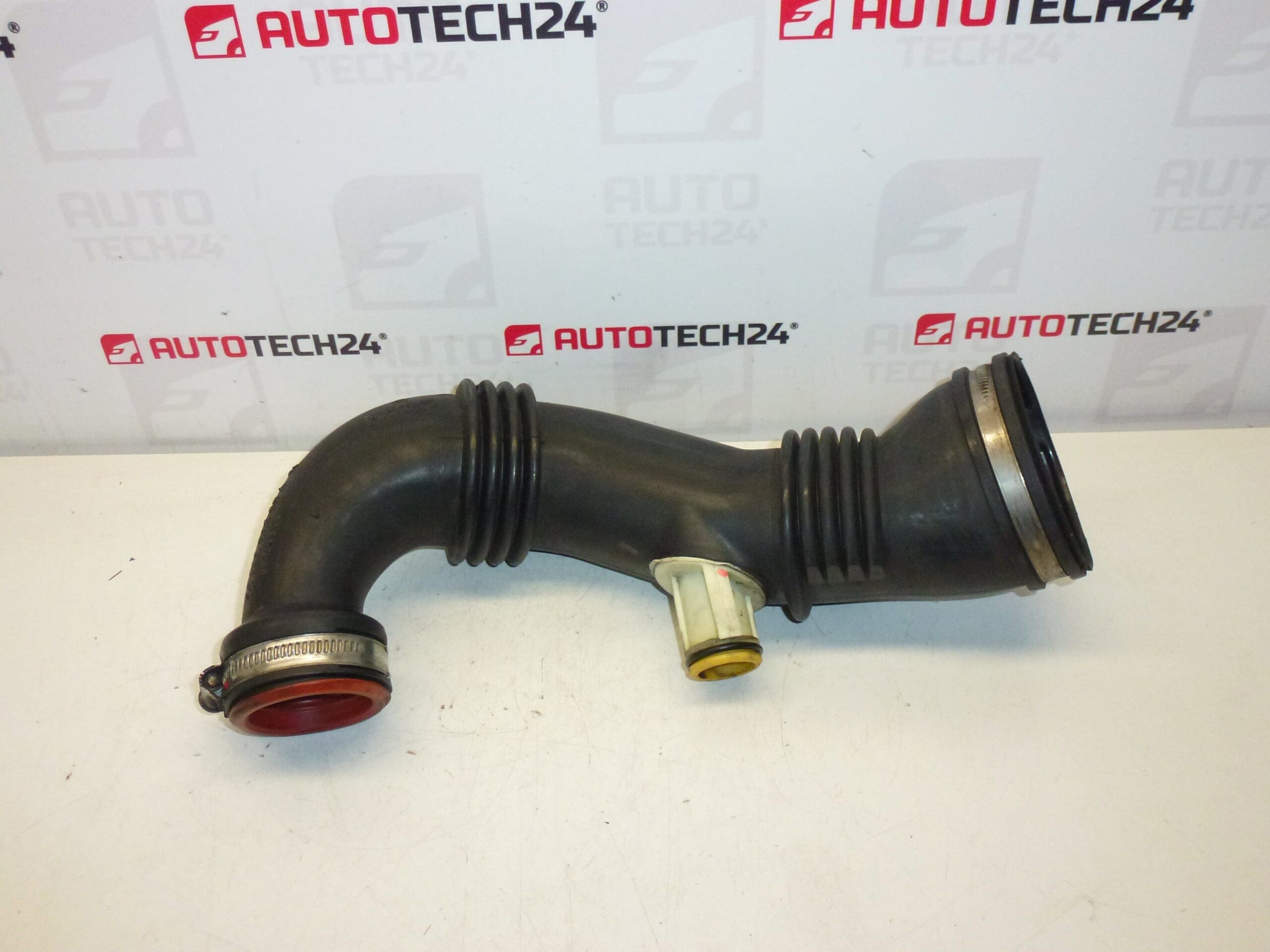
Turbo intake hose, air connection for 1.6 HDi engines for Citroën and Peugeot vehicles.
Product Overview
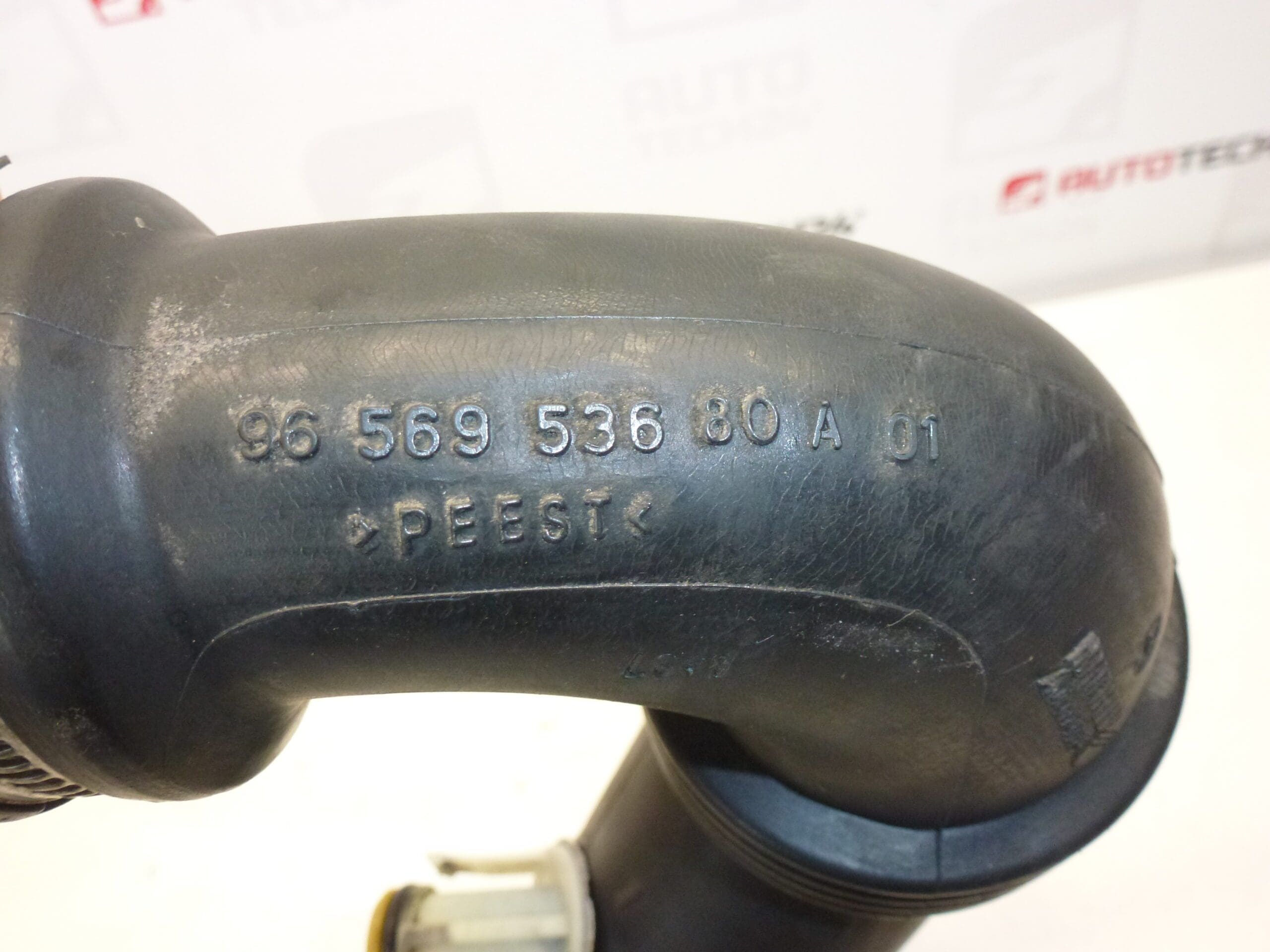
This turbo intake hose is an essential air connection component for 1.6 HDi diesel engines used in many Citroën and Peugeot models. Designed to route compressed air between turbocharger, intercooler and intake tract, the hose must withstand elevated temperatures, pressure pulsations and occasional oil contamination. Commonly searched by part numbers such as 9656953680 and 1434E1, this replacement part is suitable for professional workshops and experienced DIY mechanics who maintain PSA 1.6 HDi engines.
Compatibility
Fits the following models (depending on engine variant and year): Citroën C3, Citroën C3 Picasso, Citroën C4, Citroën C4 Picasso, Citroën C5, Citroën C5 X7, Peugeot 206, Peugeot 207, Peugeot 307, Peugeot 308, Peugeot 407, Peugeot Partner. Engine: 1.6 HDi (PSA).
Technical Information
- Manufacturer: Stellantis (Citroën / Peugeot)
- Model: 1.6 HDi Engines
- Product Codes: 9656953680, 1434E1, 143453
- Additional Numbers: 14340, 9687883780
Function
The hose channels compressed intake air from the turbocharger to the intercooler and intake manifold or connects intermediate sections of the intake tract. It must maintain airtight seals under boost pressure and resist heat, vibration and oil-laden air. Any loss of integrity causes boost leaks, reduced power, poor engine response and potential turbo overwork.
Why This Part Fails Most Often
- Aging And Heat Exposure: Rubber and silicone materials harden, crack or become brittle after years next to the turbo and exhaust components.
- Oil Contamination: Excessive crankcase or turbo oil can degrade the hose material and accelerate failure.
- Clamps And Connections: Loose or corroded clamps lead to movement, chafing and eventual air leaks.
- Mechanical Damage: Impact, incorrect installation or contact with hot surfaces can puncture or deform the hose.
- Overboost Or Turbo Issues: Faults in turbocharger or boost control can create pressures beyond the hose rating, causing separation or splitting.
Replacement Guide
General replacement steps for experienced mechanics and competent DIYers:
- Allow The Engine To Cool Completely Before Starting Work To Avoid Burns.
- Loosen Hose Clamps At Both Ends (Turbo Outlet / Intercooler Or Intake) Using Appropriate Tools.
- Carefully Remove Any Attached Vacuum Pipes, Sensors Or Brackets—Note Their Orientation For Reinstallation.
- Remove The Old Hose, Inspect Mating Surfaces On Turbo, Intercooler And Throttle Body For Damage Or Residue.
- Fit The New Hose Ensuring Proper Orientation And Full Seating On Connection Necks; Slide Clamps Into Position.
- Tighten Clamps Evenly—Avoid Overtightening That Could Deform The Hose Or Connection.
- Reattach Any Sensors Or Pipes, Start The Engine, And Check For Boost Leaks Under Idle And Under Load (If Safe To Do So).
Installation Recommendations
- Work On A Cold Engine And Keep The Work Area Clean To Avoid Dirt In The Intake Tract.
- Use New Quality Worm Drive Or T-Bolt Clamps For Reliable Sealing; OEM-Type Clamps Are Recommended Where Possible.
- Inspect Turbocharger And Intercooler For Shaft Play Or Oil Leaks—Address Root Causes Rather Than Replacing Hose Repeatedly.
- Check Adjacent Hoses And Seals At The Same Time; Replace Worn Clamps And Damaged Pipes To Prevent Future Failures.
- After Installation, Perform A Visual Check For Leaks And A Road Test Under Various Loads To Confirm Proper Operation.
Maintenance And Service Interval Advice
Hoses typically last many years but should be visually inspected at every major service or when boost problems occur. Under harsh conditions (high mileage, frequent short trips, oil leaks) inspect more often—every 40,000–60,000 km is a prudent interval for a visual check. Replace immediately if cracks, soft spots, oil saturation or clamp failure are found.