Description
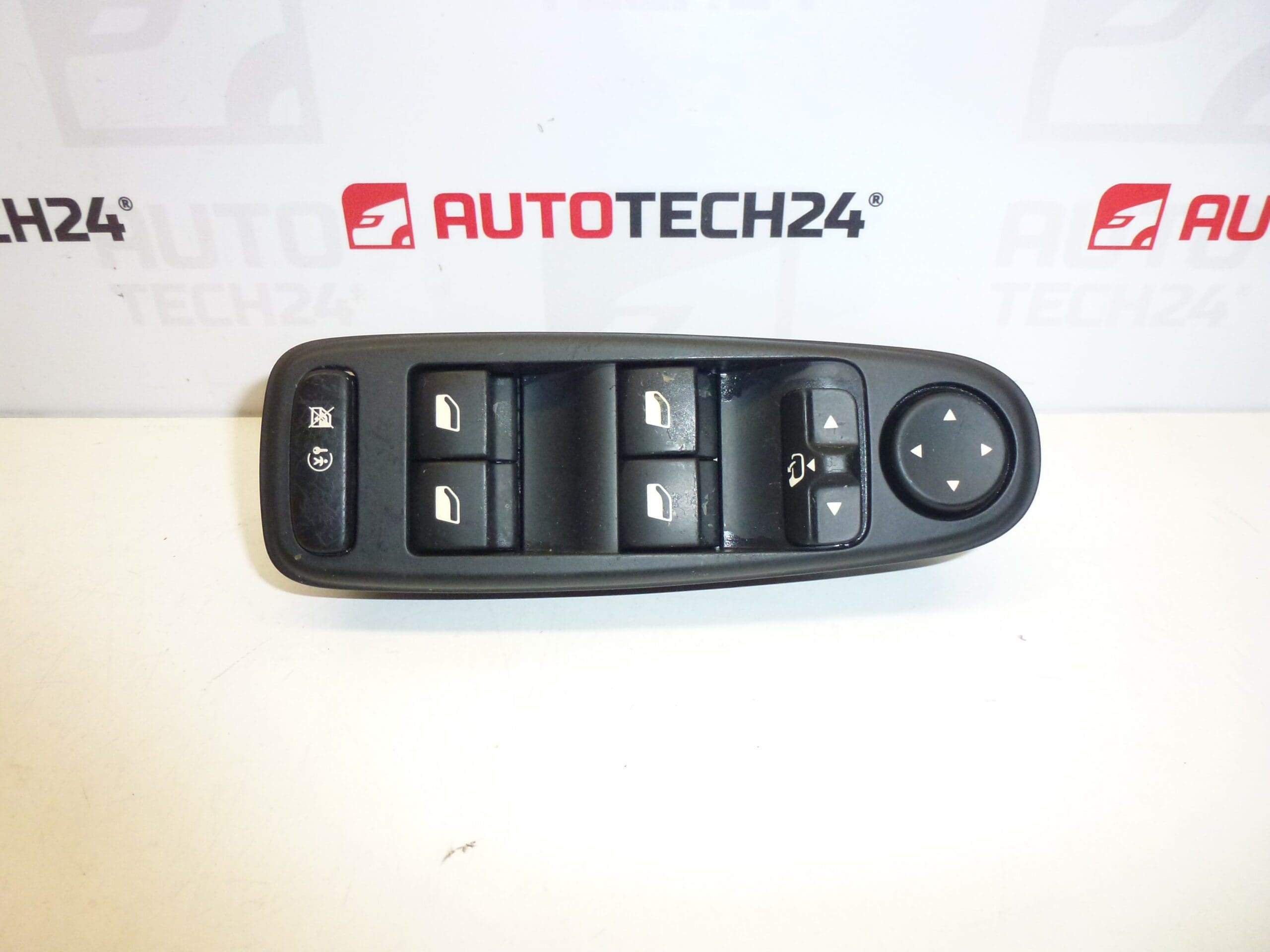
Driver’s window switch for CITROËN C4 PICASSO and GRAND PICASSO first generation. With mirror folding function for the vehicle. Original fully functional used part. May show signs of wear.
This genuine OEM driver’s window switch (OE codes 96639383ZD / 6554YH) is a direct-fit replacement for first‑generation Citroën C4 Picasso models. Designed for professional workshops and DIY mechanics, the unit restores reliable window operation and the mirror folding function. Many customers search by product code 96639383ZD or 6554YH — listing these codes increases the chance of a quick match and fast repair.
Key Features
- Driver’s master window switch with integrated mirror folding control.
- Original equipment (OEM) part from the Stellantis family (Citroën/Peugeot).
- Plug‑and‑play replacement for compatible first‑generation C4 Picasso vehicles (physical fitment required).
- Used but fully functional; may show cosmetic signs of use.
Function
The switch controls the driver’s window and provides the mirror folding command for the vehicle. As the master switch assembly on the driver’s door, it commonly houses controls for other windows and mirror adjustment depending on vehicle specification. Replacing a faulty switch restores normal electric window operation and the convenience of folding mirrors from the driver’s position.
Installation
Basic replacement steps for a typical door installation (worksop level / experienced DIY):
- Disconnect the battery before starting work to avoid short circuits and accidental activation.
- Remove the door trim panel using appropriate plastic trim tools to prevent damage.
- Unscrew and free the switch module from the door armrest/trim (retain screws and clips).
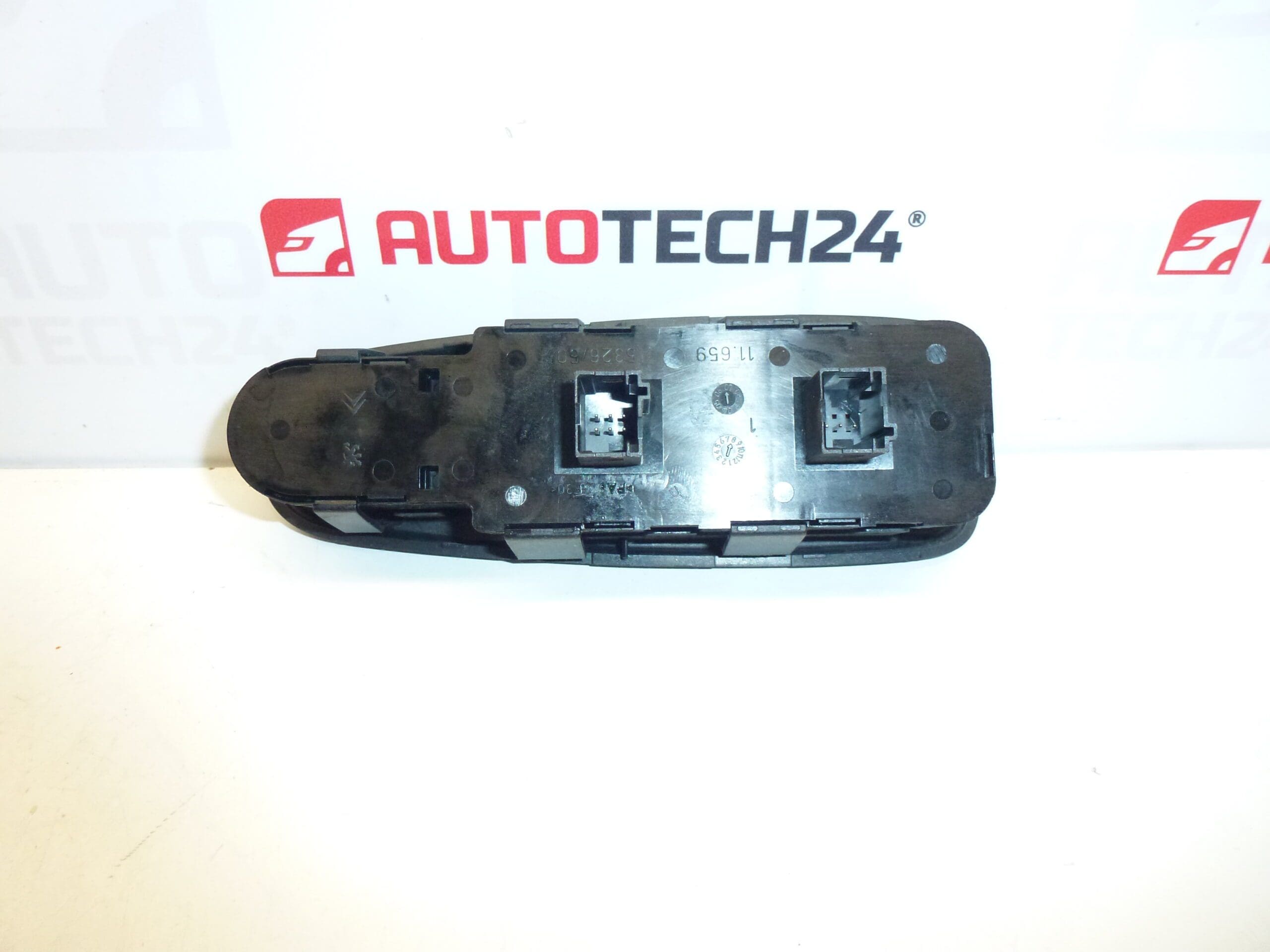
- Unplug the electrical connector(s) and carefully remove the old switch.
- Fit the replacement switch, connect the wiring harness and test functions (windows, mirror folding, locking if applicable) before reassembling the door panel.
- Reinstall the door trim and reconnect the battery. Verify full functionality after installation.
Technical Information
- Manufacturer: Stellantis (Citroën / Peugeot)
- Model: Citroën C4 Picasso I, Citroën Grand Picasso I
- Product Codes: 96639383ZD, 6554YH
- Additional Numbers: 96639383 ZD / 6554 YH
Installation Recommendations
- Use non‑marring plastic trim tools to avoid damaging interior panels.
- Inspect the connector and wiring for corrosion or damage; clean contacts if necessary.
- Test the switch operation with the door panel loose to confirm correct fitment before final reassembly.
- If the mirror folding does not operate after replacement, check fuses and mirror motor wiring for faults.
Why This Part Fails
Common causes of failure for window switches include:
- Wear of internal contacts from frequent use, leading to intermittent operation or total failure.
- Water or moisture ingress from leaks or open windows, causing corrosion of contacts or short circuits.
- Dirt and debris accumulation inside the switch mechanism impairing contact movement.
- Mechanical damage to plastic actuators or mounting tabs from impact or rough removal.
Additional Notes
Because this is a used genuine part, cosmetic marks may be present, but electrical functions are described as fully operational. The part is especially useful for technicians and experienced DIYers looking for an OEM replacement identified by OE codes 96639383ZD and 6554YH.