Description
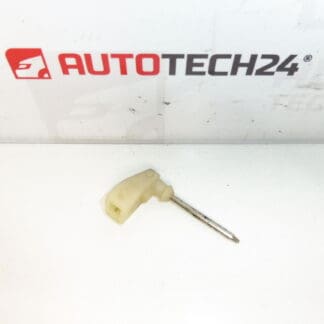
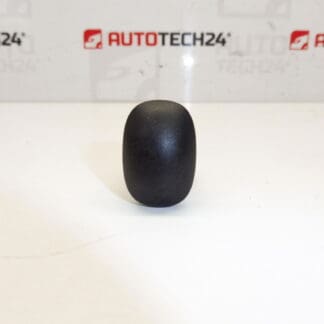
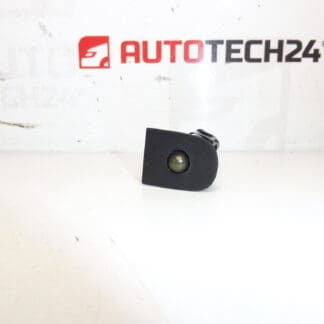
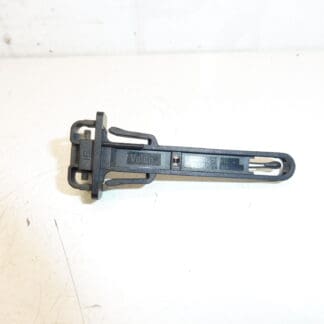
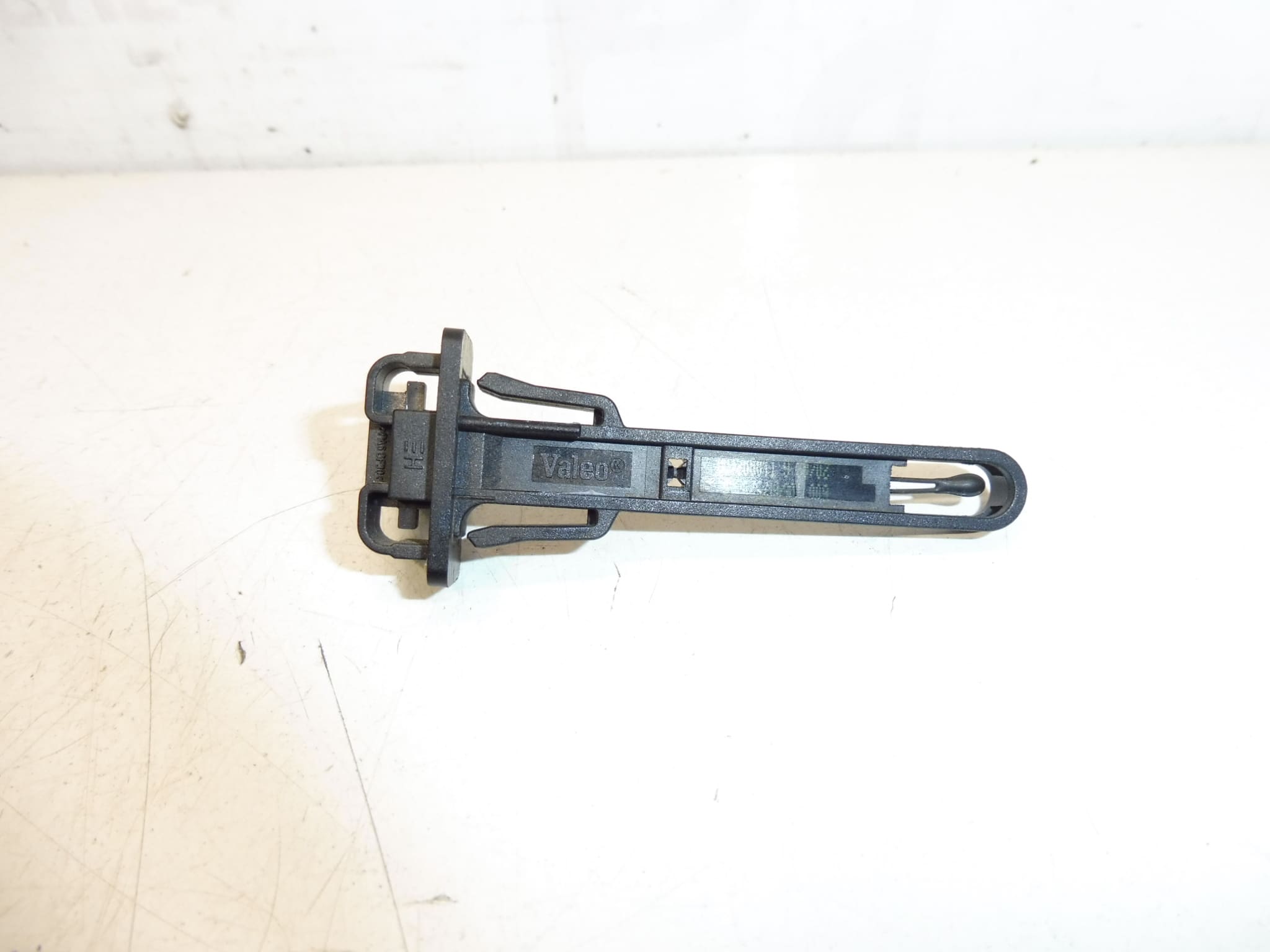
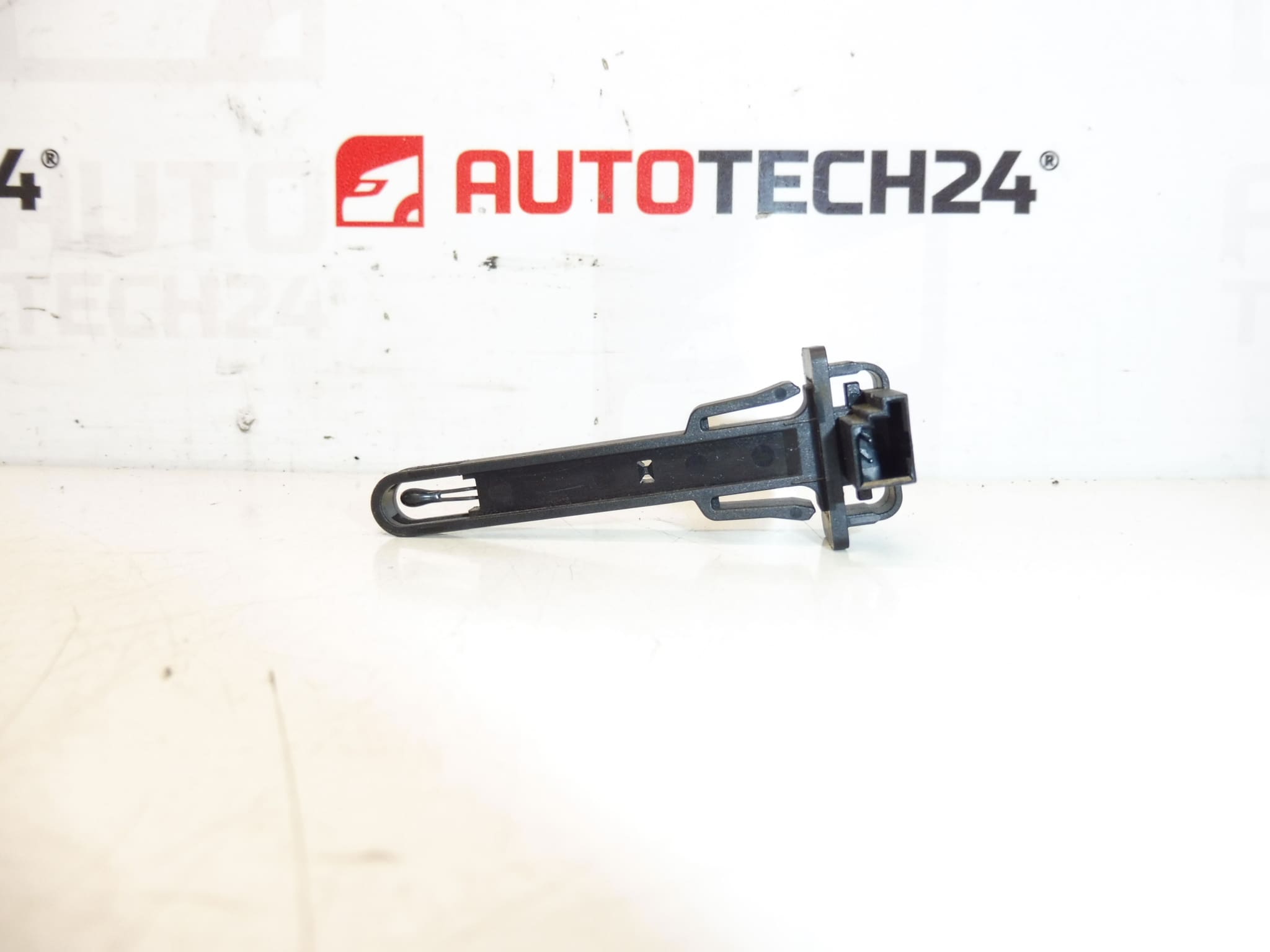
Interior Air Temperature Sensor For PEUGEOT 308 T7 And Citroën C3 Picasso, C4 B7. Evaporator Sensor.
High-quality Valeo interior/evaporator temperature sensor T1000210Q (part number 643665) designed for Citroën and Peugeot HVAC systems. This sensor measures the temperature inside the HVAC evaporator or cabin intake and supplies precise feedback to the climate control module so automatic air-conditioning and heating can maintain the requested cabin temperature. Ideal for professional garages and DIY mechanics searching by reference numbers such as T1000210Q or 643665.
Technical Information
- Manufacturer: Valeo
- Models: Peugeot 308 (T7), Citroën C3 Picasso, Citroën C4 (B7)
- Product Codes: T1000210Q, 643665
- Additional Numbers: 643665 | T1000210Q
Function And Typical Design
The sensor acts as an evaporator/interior air temperature transmitter for the vehicle climate control. It is typically a thermistor-type element (commonly NTC) whose electrical resistance varies with temperature. The climate control ECU interprets this signal to regulate compressor cycling, blend doors and fan speed for accurate cabin comfort.
Symptoms Of A Faulty Sensor
- Incorrect cabin temperature regulation (AC or heater not reaching set temperature).
- Automatic climate control cycling incorrectly or running constantly.
- Blower or temperature oscillations despite correct controls.
- Fault codes related to interior/evaporator temperature sensor stored in HVAC module.
Installation Recommendations
Before starting any work, make sure the vehicle is safe to work on. The sensor is usually located in the HVAC housing near the evaporator or air intake inside the dash; access may require removal of the glovebox, center console trim or part of the lower dashboard depending on the model. General replacement steps:
- Disconnect the negative battery terminal if access requires significant interior disassembly to prevent accidental short circuits and to protect vehicle electronics.
- Remove the necessary interior panels to reach the HVAC housing and locate the sensor on or near the evaporator core.
- Unplug the electrical connector and carefully remove the sensor from its clip or mounting location.
- Install the new sensor ensuring correct seating and secure mounting; avoid touching the sensing tip with greasy hands or contaminating it with solvents.
- Reconnect the connector, reassemble interior panels and reconnect the battery.
- Verify operation using the climate control: observe temperature response and check for stored HVAC fault codes.
How To Test
Basic checks for mechanics: inspect connector and wiring for corrosion or damage. With the sensor unplugged you can measure resistance with a multimeter; an NTC thermistor shows decreasing resistance as temperature increases. Compare readings to expected behavior (resistance changes smoothly with temperature). For final confirmation use a diagnostic tool to read live temperature values provided to the HVAC module.
Why The Part Usually Fails
Most common causes of failure include moisture or condensation ingress, dirt and deposits on the sensing element, connector corrosion, physical damage during previous HVAC repairs, and long-term aging. Faults are more likely after water leaks into the HVAC housing or when the sensor is disturbed during evaporator replacement.
Notes For Professionals
This Valeo sensor is a direct-fit replacement for the listed models and part numbers. Installers should verify correct routing and secure mounting inside the HVAC housing to ensure reliable readings. After replacement, check climate control behavior in various modes and temperatures to confirm proper function.