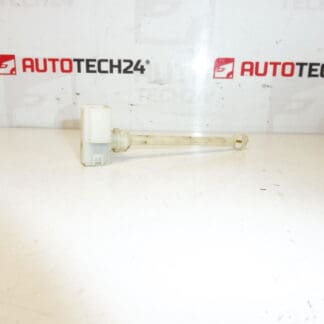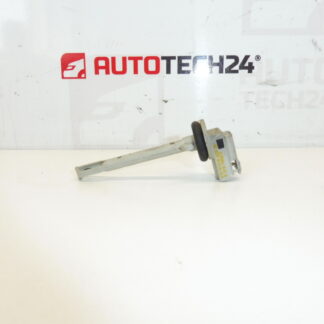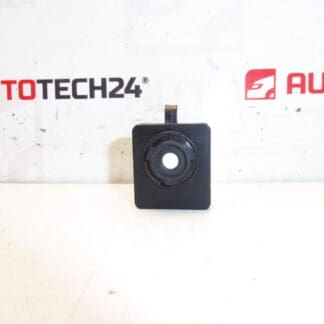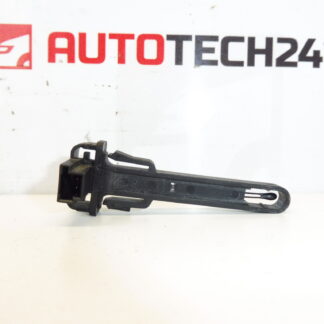
Description
Interior Air Temperature Sensor For Citroën And Peugeot Vehicles
Evaporator Probe
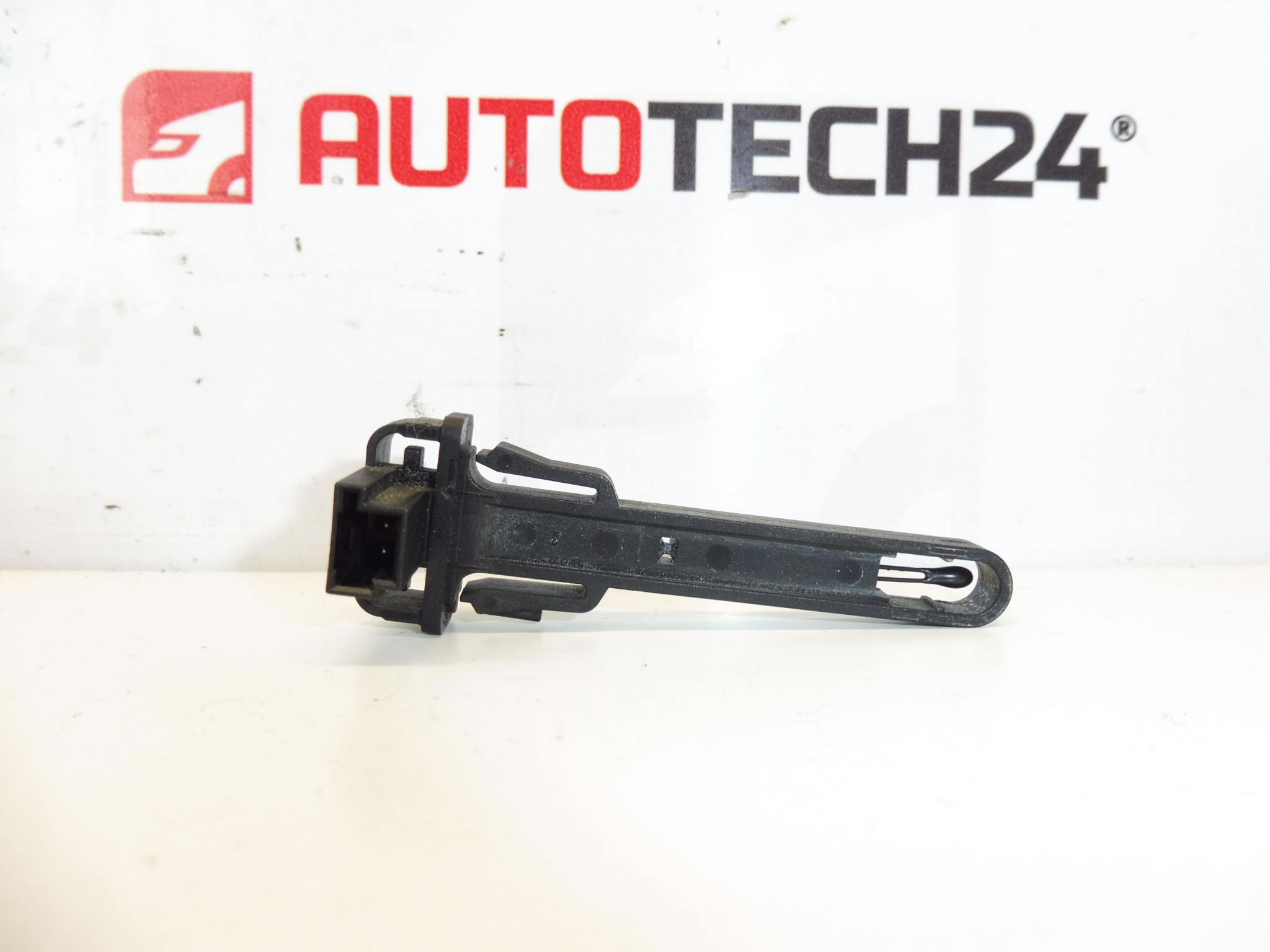
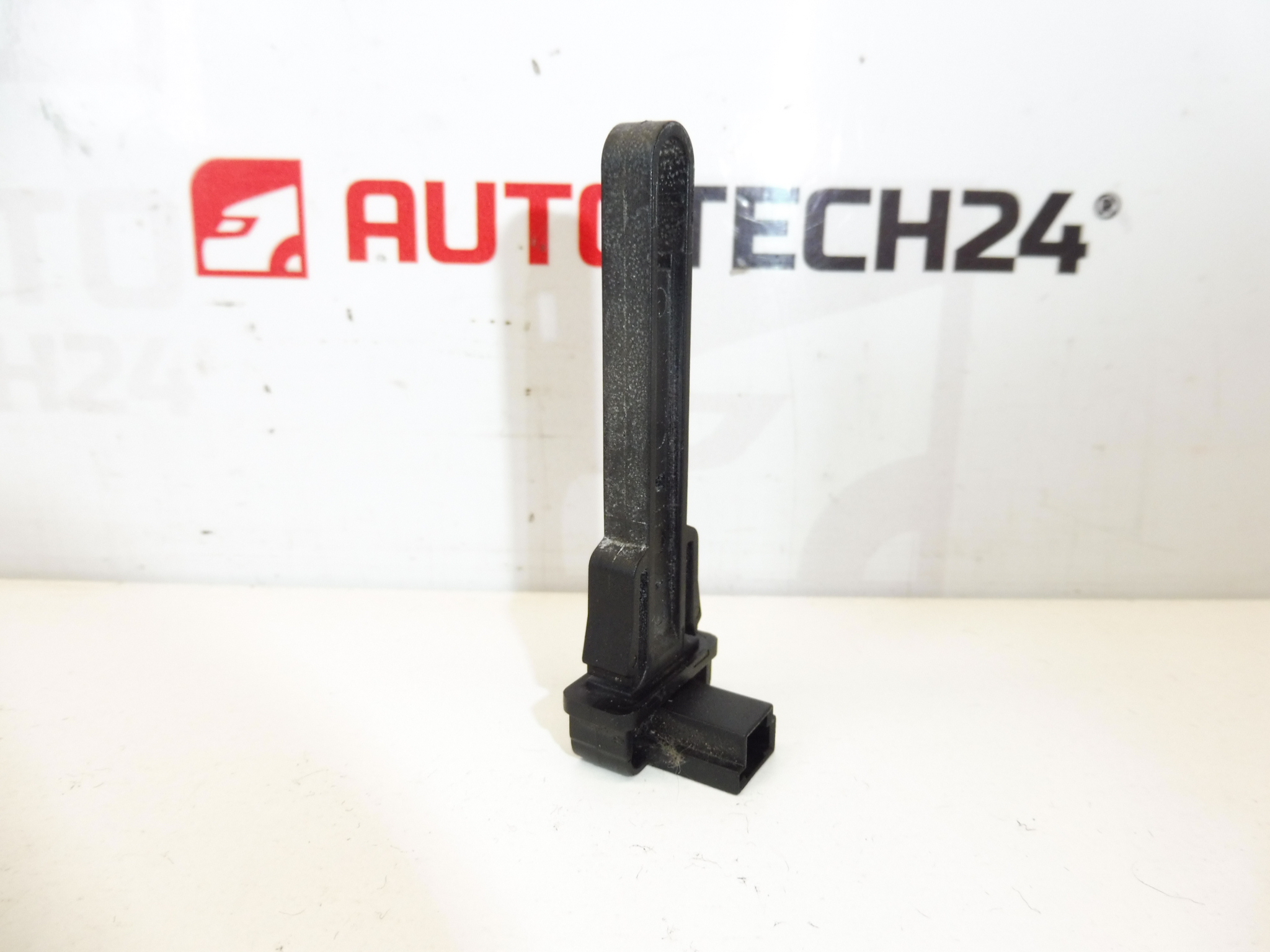
The Interior Air Temperature Sensor (Evaporator Probe) 6445YY is a direct-fit replacement part for a range of Citroën and Peugeot models. It monitors temperature inside the HVAC system to ensure accurate cabin climate control and to protect the evaporator from freezing. Robust and compact, this sensor is commonly used in Stellantis climate control systems and is often referenced by its product code 6445YY.
Compatibility
Fits the following models (non-exhaustive list):
Function
The sensor measures the temperature in the HVAC evaporator area or interior air stream and sends an electrical signal to the climate control module. The control unit uses this information to regulate compressor engagement, blower speed and HVAC blend functions, preventing evaporator icing and maintaining desired cabin temperature.
Signs Of Failure
- Incorrect cabin temperature readings or unstable climate control performance.
- Air Conditioning cycles erratically or fails to cool efficiently.
- Frequent compressor on/off cycling or AC system entering protection mode.
- Diagnostic Trouble Codes related to HVAC temperature sensors (may vary by vehicle).
Replacement Notes
Replacement is usually straightforward for an experienced mechanic or competent DIYer. The sensor is typically located in or near the HVAC housing/evaporator area and is accessed by removing glovebox panels or lower dash/hvac covers depending on the model. Disconnect the electrical connector, remove retaining clip or fastener, and fit the new sensor in the original position. After installation, verify connector seating and restore vehicle functions.
Installation Recommendations
- Work In A Dry, Clean Area: Avoid contamination of the sensor or HVAC passages with dirt or debris.
- Inspect Electrical Connector: Clean contacts if corroded and ensure secure locking tab engagement.
- Check Seals And Clips: Replace any damaged retaining clips or seals to prevent air leaks and ensure proper sensor positioning.
- Test After Fitment: Start vehicle, run HVAC through modes and verify correct behavior and temperature response.
- Safety: Isolate the battery or follow vehicle manufacturer safety procedures when working near airbags or exposed electrical systems.
Most Common Failure Cause
Failures are most often caused by moisture ingress, connector corrosion, mechanical damage during previous service, or contamination from clogged evaporator drain paths. Over time thermal cycling and condensation can degrade the sensor or its wiring, leading to intermittent or permanent faults.
Technical Information
- Manufacturer: Stellantis (Citroën/Peugeot)
- Model: Interior Air Temperature Sensor / Evaporator Probe
- Product Codes: 6445YY
- Other Numbers: Not Available
Suitable for professional workshops and skilled DIYers. When replacing HVAC sensors, ensure connectors and harnesses are inspected to prevent repeat failures.