Description
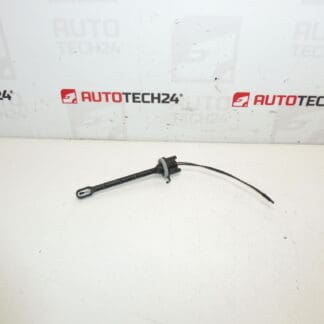
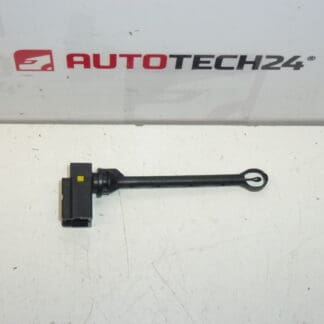
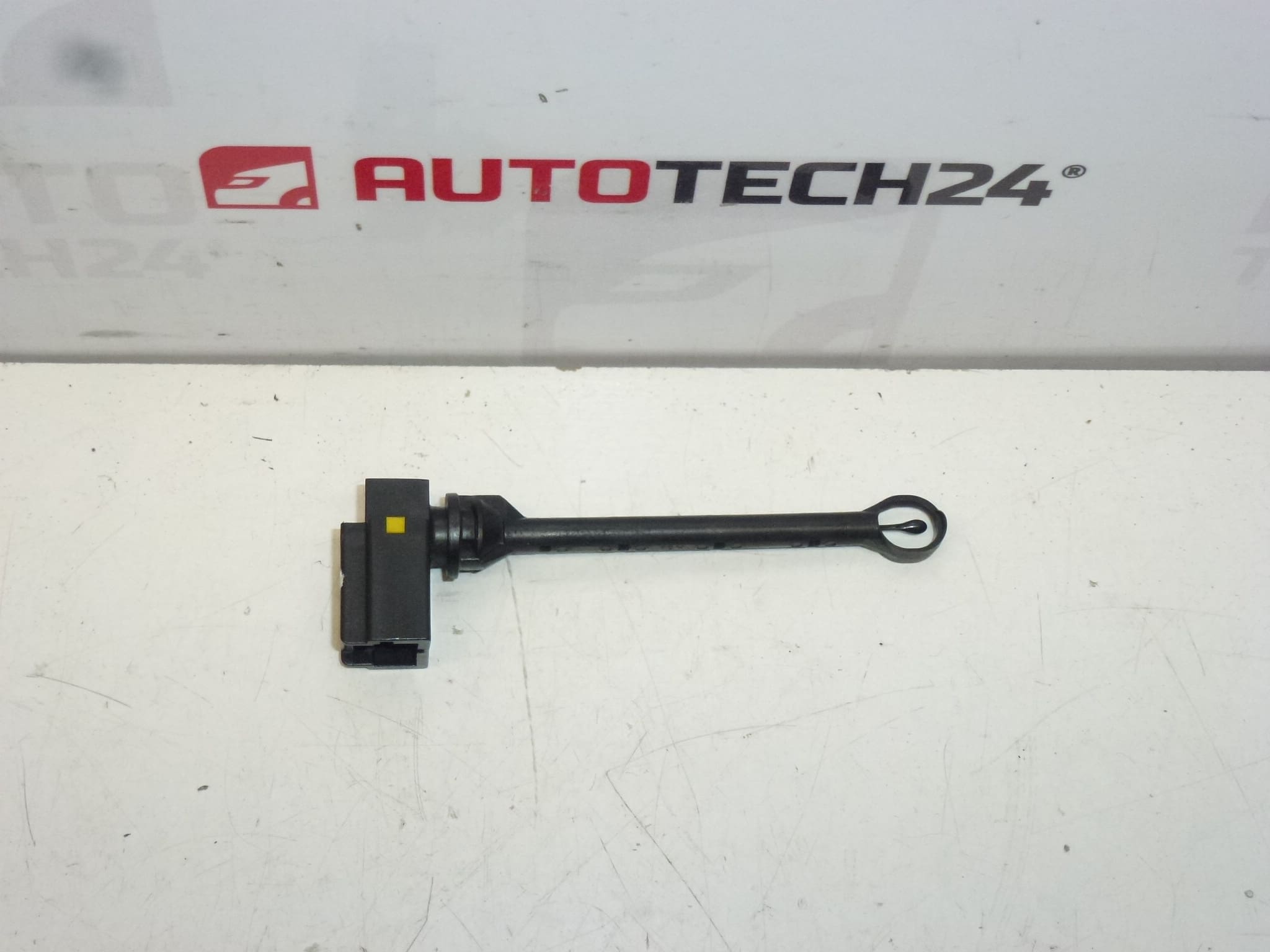
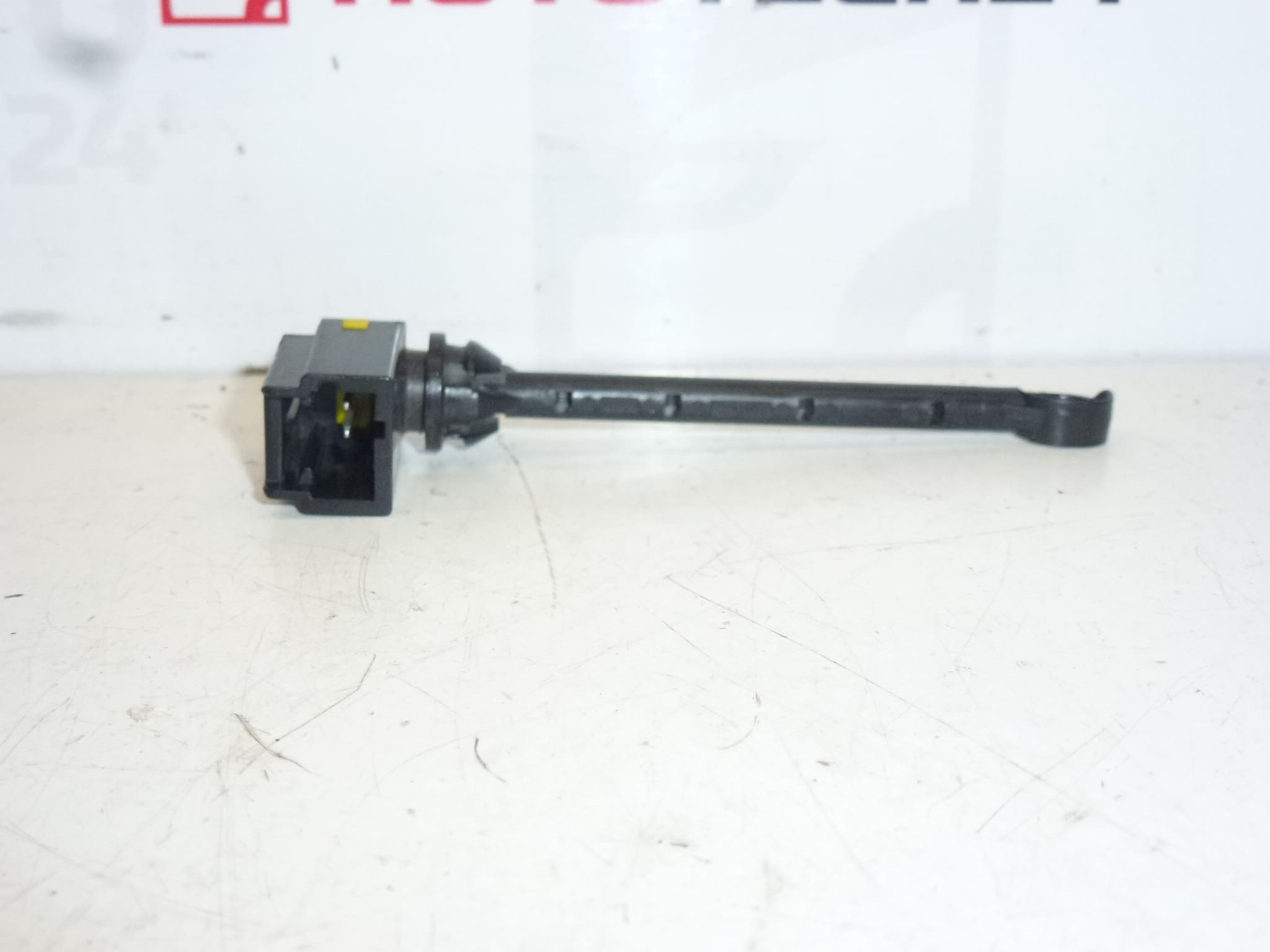
Evaporator temperature sensor for Citroën and Peugeot vehicles
The Evaporator Temperature Sensor 6445KP is a direct-fit electrical component used in the climate control systems of many Citroën and Peugeot models. Searched frequently by part number (6445KP / 6445.KP), this sensor monitors the temperature of the evaporator core and provides a signal to the HVAC control unit to regulate compressor cycling and prevent evaporator freezing. Designed for professional workshops and DIY mechanics, this replacement part restores accurate temperature feedback, improves air conditioning performance and helps avoid undesired compressor on/off behaviour.
Technical information
- Manufacturer: Stellantis (Citroën / Peugeot)
- Model: Citroën Berlingo B9 (Berlingo III), Citroën C‑Elysée, Citroën C4 Picasso, Citroën C8, Peugeot 301, Peugeot 807, Peugeot Partner III, Peugeot Partner Tepee
- Product codes: 6445KP
- Other numbers: 6445.KP
Compatible With: The sensor is typically fitted to the evaporator housing inside the dashboard on the listed Citroën and Peugeot models. Always verify physical connector and mounting before installation — technicians commonly search by part code 6445KP to confirm fitment.
Function and Benefits
The evaporator temperature sensor measures the refrigerant-side temperature of the evaporator core. The HVAC control module uses this input to:
- Control air conditioning compressor cycling to maintain cabin temperature;
- Prevent evaporator freeze-up by temporarily stopping compressor operation when temperatures approach freezing;
- Enable accurate automatic climate regulation for steady comfort and efficient system operation.
Replacing a faulty sensor restores reliable feedback to the control unit, reduces unwanted compressor cycling and helps the system reach and maintain set temperatures faster.
Replacement procedure (summary)
Typical replacement steps for an experienced technician or competent DIY mechanic:
- Disconnect the negative battery terminal for safety.
- Remove the glovebox or the necessary dashboard trim panels to access the HVAC evaporator housing (vehicle-dependent).
- Locate the sensor mounted in or on the evaporator housing and unplug the electrical connector.
- Carefully withdraw the sensor from its retaining clip or sealed port; replace any O‑ring or sealing gasket if present.
- Install the new sensor, secure the connector, reassemble interior panels and reconnect the battery.
- Perform a functional check of the climate system and verify correct operation of automatic modes.
Installation recommendations
- Use the correct OEM-type sensor and replace any sealing O‑ring to ensure an airtight fit.
- Inspect wiring harness and connector for corrosion or damage; repair or replace if necessary.
- Apply a small amount of dielectric grease to the connector pins to improve contact longevity where appropriate.
- Reassemble interior panels carefully to avoid pinching wires or disturbing other HVAC components.
- After replacement, verify HVAC operation across modes and observe compressor cycling to ensure the fault is cleared.
Most common failure causes
Evaporator temperature sensors typically fail due to environmental and electrical stresses over time. Common causes include:
- Moisture ingress and corrosion at the sensor element or connector;
- Thermal cycling and age-related degradation of the sensing element;
- Mechanical damage during previous repairs or from debris inside the HVAC housing;
- Poor connector contact or wiring faults leading to intermittent or incorrect signals;
- Contamination from debris or HVAC residues affecting sensor accuracy.
There Is No Fixed Replacement Interval: The sensor does not have a scheduled service life; failures usually appear as intermittent AC behaviour, incorrect temperature control, or evaporator freeze symptoms. Replacing a worn or damaged sensor is a cost-effective repair to restore automatic climate control functionality and prevent secondary faults in the AC system.