Description
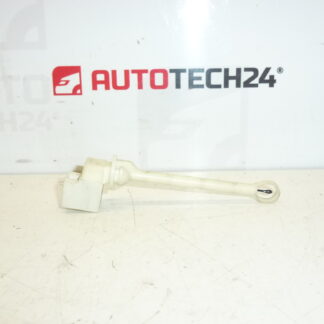
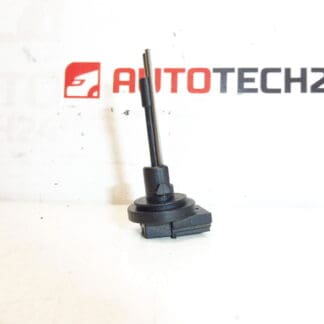
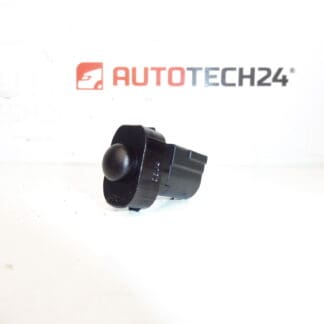
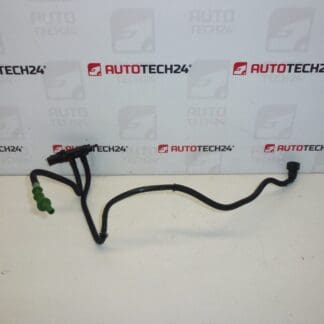
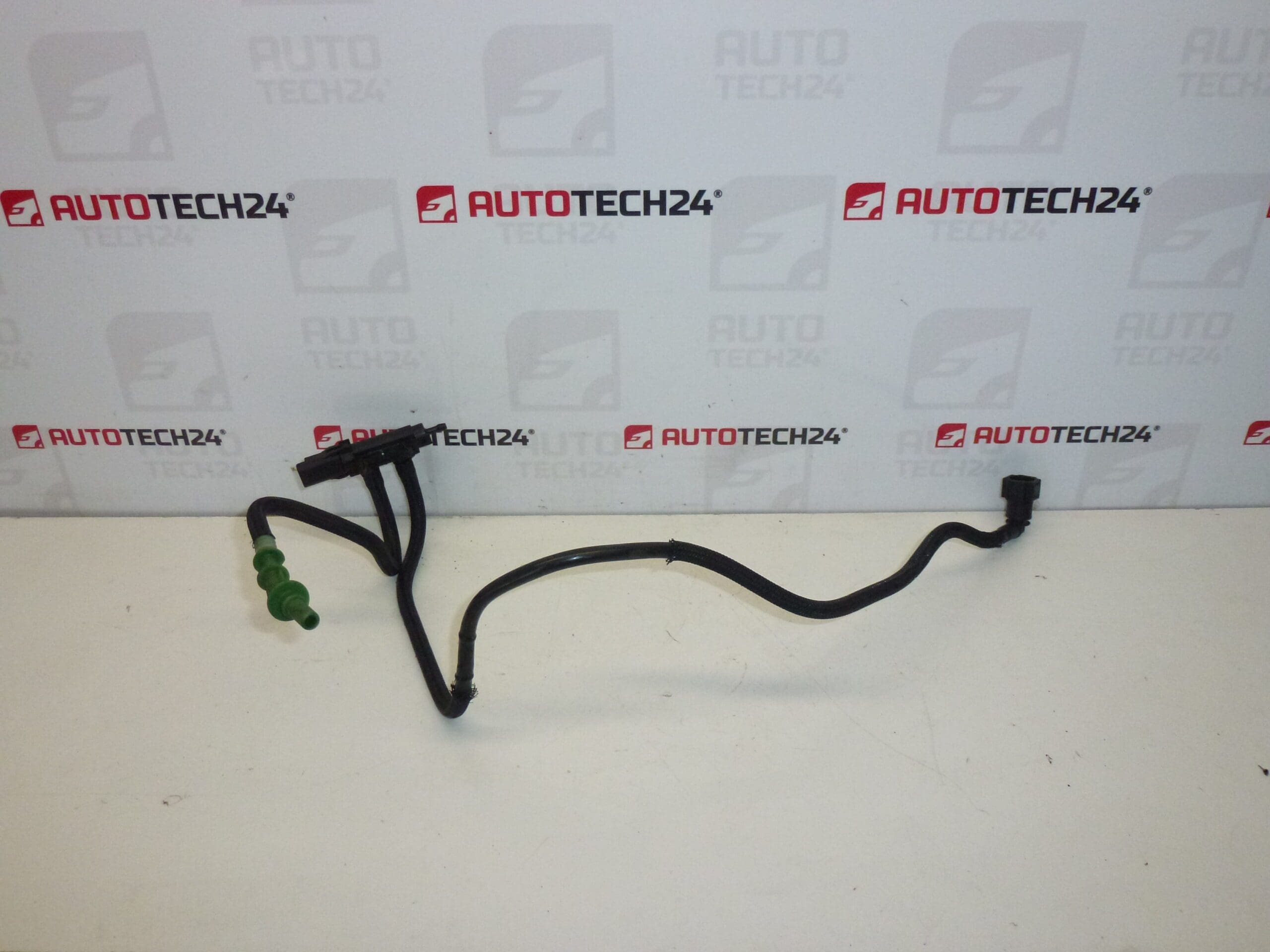
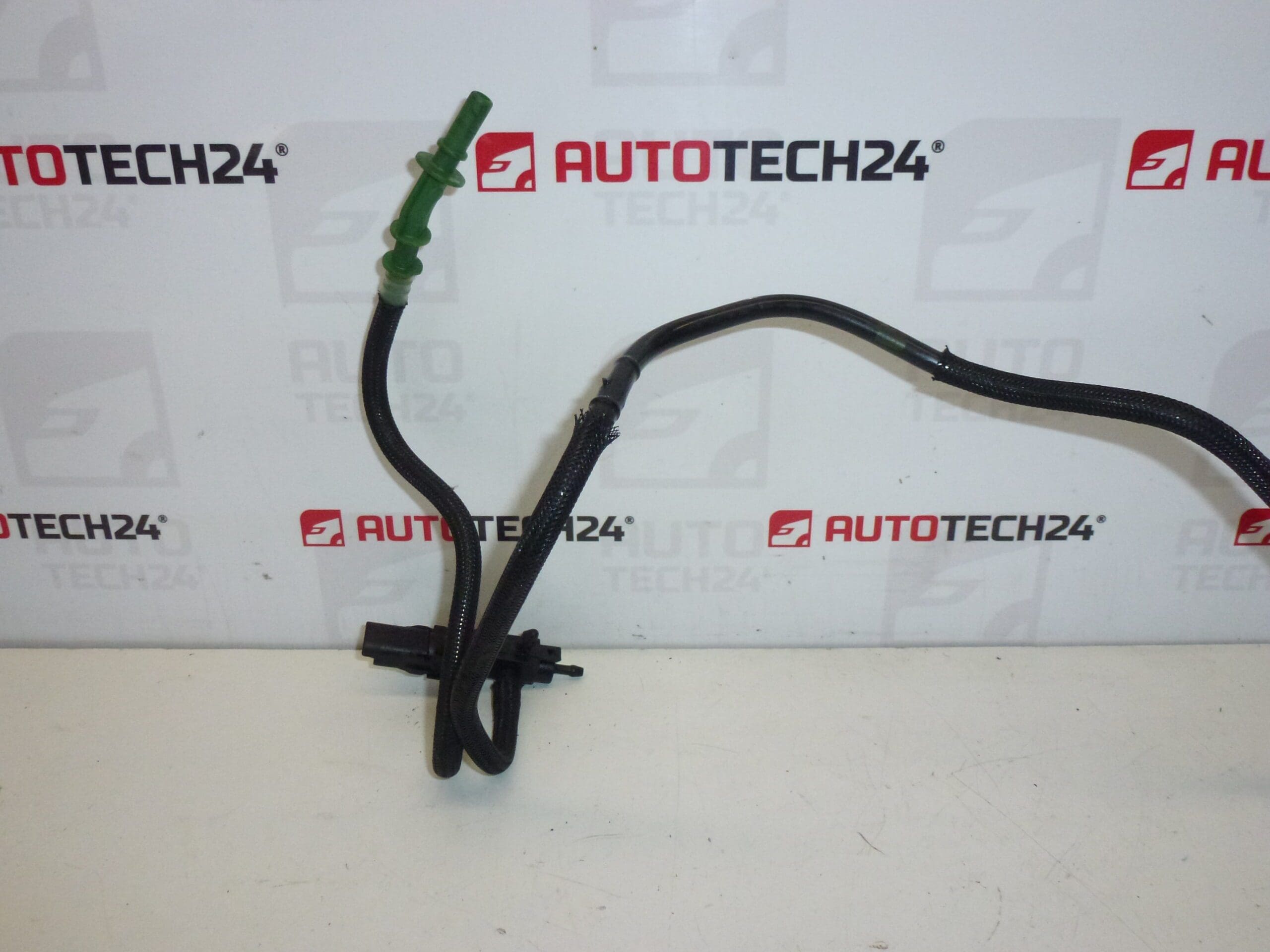
Fuel temperature sensor for Citroën and Peugeot vehicles. Suitable for engines with Siemens 2.0 HDi injection (RHR, RHK) and others.
This fuel temperature sensor (part number 1579HF) is designed for common-rail HDi engines equipped with Siemens fuel injection systems. The sensor supplies the engine control unit with accurate fuel temperature data to optimize injection timing, fuel metering and emissions control. Intended primarily for professional workshops and experienced DIY mechanics, this part helps restore correct engine operation when fuel-temperature-related faults occur.
Fitment And Application
Compatible With Models: Citroën C4, Citroën C4 Picasso, Citroën C5, Citroën C5 X7, Citroën C8, Peugeot 307, Peugeot 407, Peugeot 807. Fits 2.0 HDi Engines Using Siemens Injection (Engine Codes RHR, RHK) And Other Compatible Variants.
Technical Information
- Manufacturer: Stellantis (Citroën / Peugeot)
- Model: Fuel Temperature Sensor
- Product Codes: 1579HF
- Other Numbers: No additional OEM numbers provided
Function And Symptoms Of Failure
The Fuel Temperature Sensor Measures Fuel Temperature And Sends This Signal To The Engine Control Unit, Which Adjusts Injection Parameters And Emission Controls Accordingly. When The Sensor Fails Or Produces Erratic Readings, Typical Symptoms Include Illumination Of The Engine Warning Light, Poor Cold Starting, Rough Idle, Reduced Fuel Economy, Increased Emissions And Possible Limp-Home Mode.
Common Causes Of Failure
- Contamination From Fuel Impurities Or Water Causing Sensor Drift Or Short Circuits.
- Corrosion Or Degradation Of Electrical Contacts And Connector Pins.
- Mechanical Damage During Maintenance Or From Vibration And Thermal Cycling Over Time.
- Faulty Wiring Or Connector Corrosion Leading To Intermittent Signals.
Installation Recommendations
- Work In A Well-Ventilated Area And Follow Safety Procedures For High-Pressure Fuel Systems.
- Before Removal, Relieve Fuel Pressure According To The Vehicle Service Manual.
- Disconnect The Battery To Prevent Short Circuits When Handling Electrical Connectors.
- Locate The Sensor (Usually On The Fuel Rail Or Fuel Filter Housing Depending On Model), Unplug The Electrical Connector And Unscrew The Sensor Using The Correct Size Wrench.
- Replace Any Sealing O-Ring Or Washer With A New One To Ensure Leak-Free Installation.
- Do Not Overtighten; Hand-Tighten Then Apply Final Torque According To Manufacturer Specification If Available.
- After Fitting, Check For Fuel Leaks And Clear Any Related Fault Codes Using A Diagnostic Tool. Verify Proper Operation By Monitoring Live Sensor Readings If Possible.
This sensor is a direct replacement option for vehicles listed above and is particularly useful when fault codes or drivability issues point to incorrect fuel temperature readings. Keeping the fuel system clean and ensuring connectors are corrosion-free will prolong sensor life and help maintain optimal engine performance.