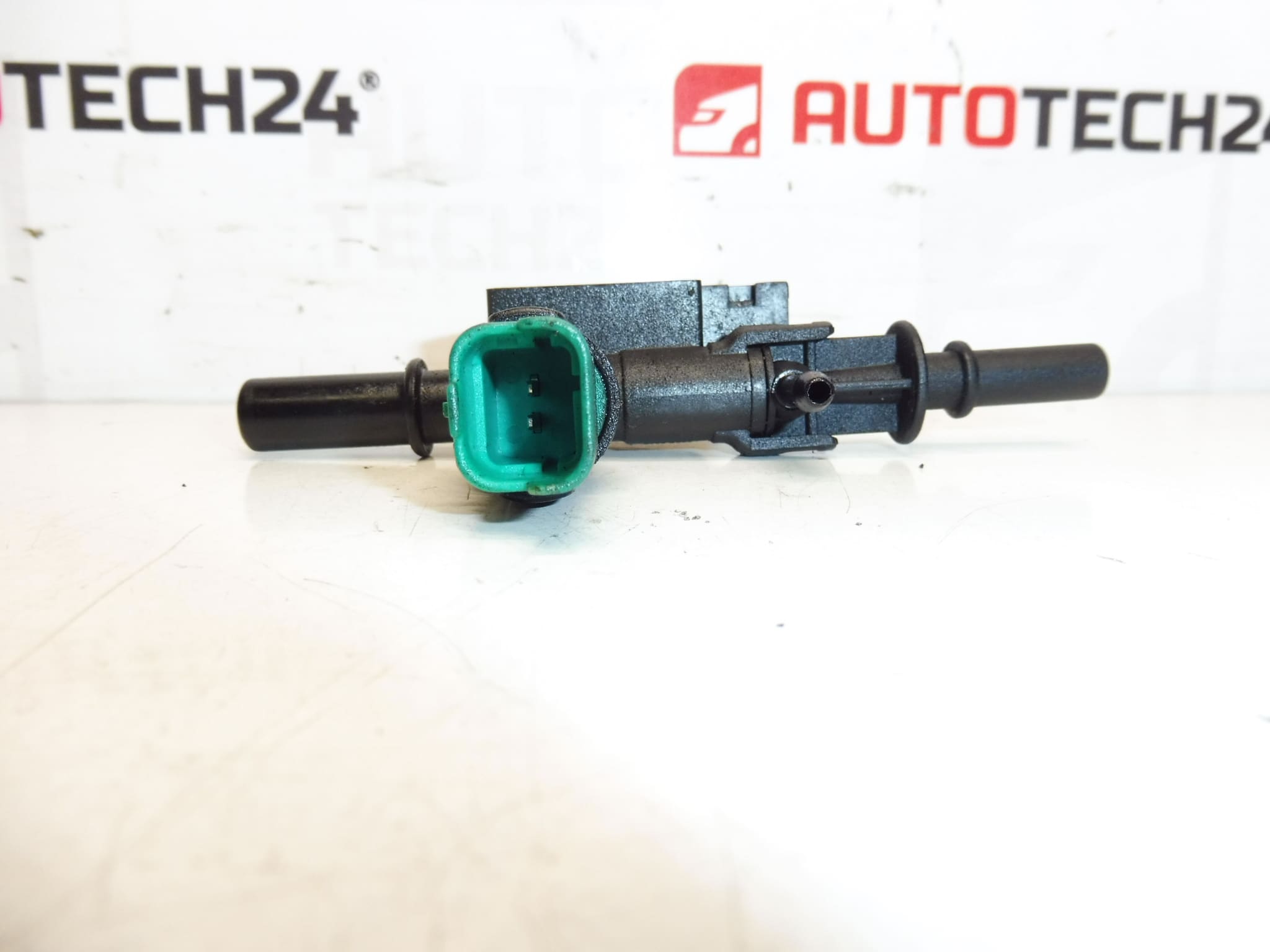
Description
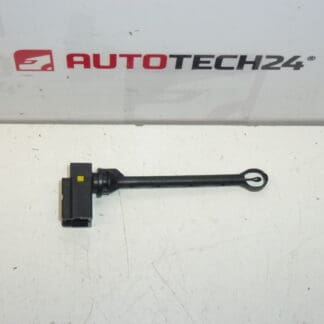
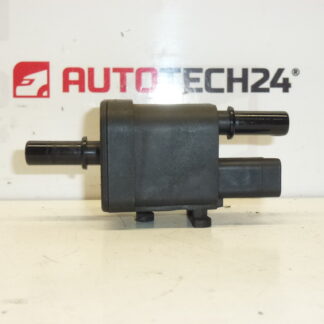
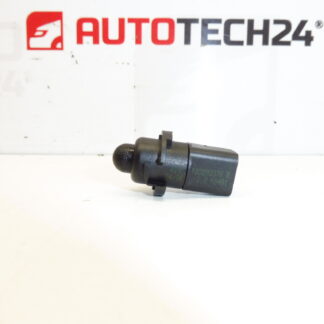
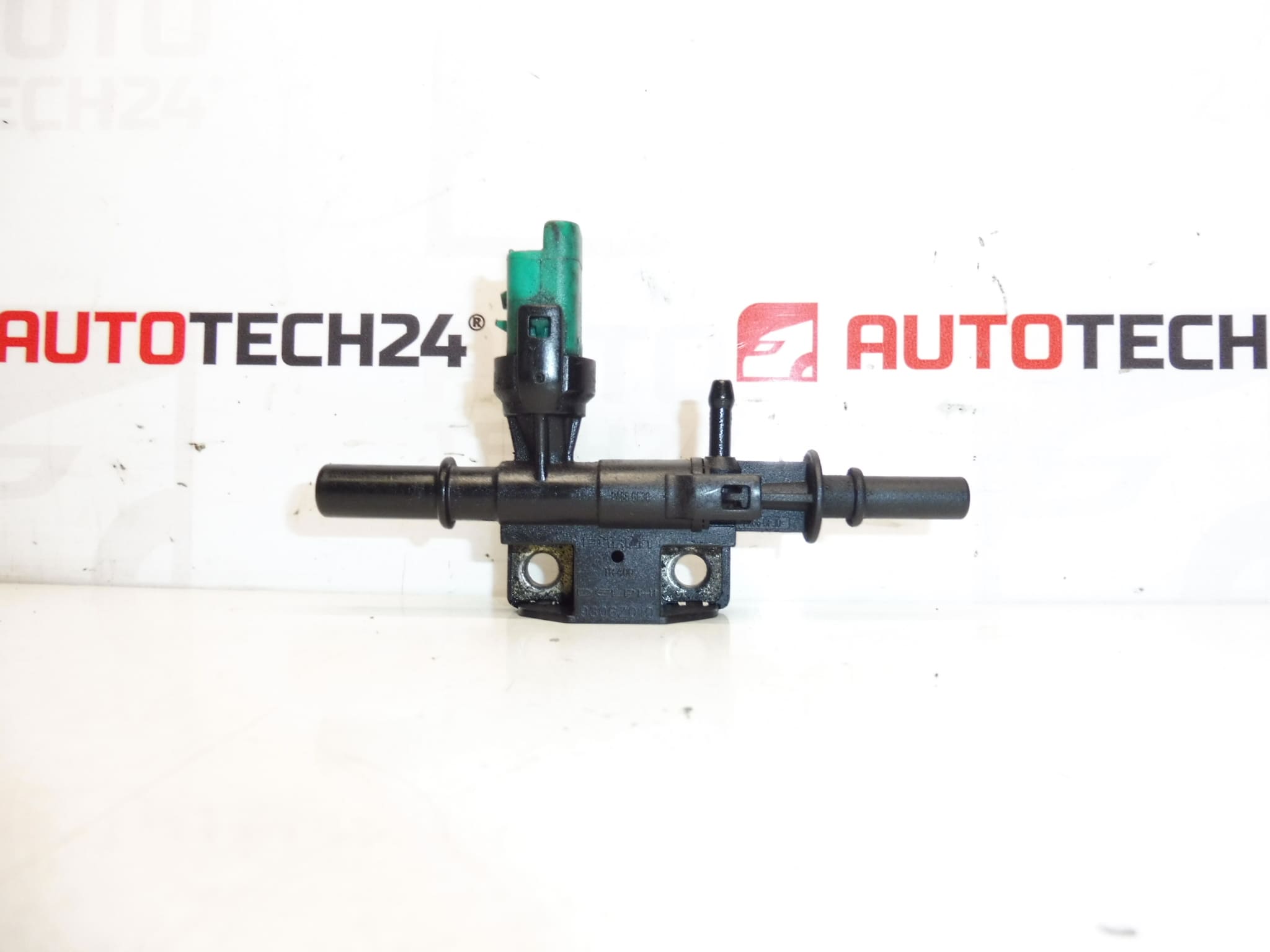
Fuel Temperature Sensor for 1.4 HDi 16V 66 kW 8HY engines for Citroën and Peugeot vehicles.
This fuel temperature sensor is designed for PSA 1.4 HDi 16V (8HY) engines and ensures accurate measurement of diesel temperature supplied to the common-rail injection system. Correct fuel temperature data helps the engine control unit (ECU) optimize injection timing and quantity, improving cold-start behavior, fuel metering and emissions control. The part is commonly searched for by part numbers such as 9306-010A, 9306Z010 or 1920FH and is suited for applications on models including Citroën C3 and Peugeot 1007.
Technical Information
- Manufacturer: Stellantis (Citroën / Peugeot)
- Model: 1.4 HDi 16V 66 kW (Engine Code 8HY); Typical Vehicles: Citroën C3, Peugeot 1007
- Product Codes: 9306-010A, 9306Z010, 9306.Z010
- Additional Numbers: 1920FH, 1920.FH; Related Fault Codes: P0180, P0181
Function And Benefits
The sensor monitors the temperature of the diesel fuel entering the high-pressure system. The ECU uses this input to compensate fuel density and adapt injection parameters. A functioning sensor supports reliable cold starts, stable idling and correct dosage during transient conditions. For workshop professionals and DIY mechanics, replacing a faulty sensor restores accurate fuel mapping and can eliminate drivability faults linked to incorrect fuel temperature readings.
Installation Recommendations
- Prepare Vehicle: Work on a cool engine, isolate the battery and relieve fuel system pressure before starting.
- Access: The sensor is mounted in the fuel line/rail area (location can vary by model). Clean the surrounding area to prevent contamination entering the fuel system when the sensor is removed.
- Removal And Fitment: Disconnect the electrical connector, unscrew the sensor with the correct tool and replace the sensor along with any sealing washer or O-ring. Ensure the sealing surface is clean and torque the sensor to the manufacturer’s specification where available.
- After Installation: Reconnect the battery, prime the fuel system if necessary, check for leaks and clear any stored ECU fault codes. Confirm proper engine running and absence of fuel leaks before road testing.
Common Failure Reasons
- Contamination And Debris: Particles or varnish from degraded fuel can impair sensor reading or block its interface with the fuel stream.
- Water In Diesel: Water contamination accelerates corrosion and sensor degradation.
- Connector Corrosion Or Wiring Damage: Poor electrical contact or short circuits cause intermittent or permanently wrong readings.
- Mechanical Or Thermal Stress: Vibration, impact or prolonged thermal cycling can lead to internal failure.
Notes For Buyers
Search By Part Number: This component is often located by OE numbers (9306-010A, 9306Z010, 1920FH). When diagnosing fuel temperature faults, check wiring and connector condition as well as fuel quality. Replacing the sensor is a common and effective repair when faults P0180 or P0181 are present alongside temperature-related symptoms.