Description
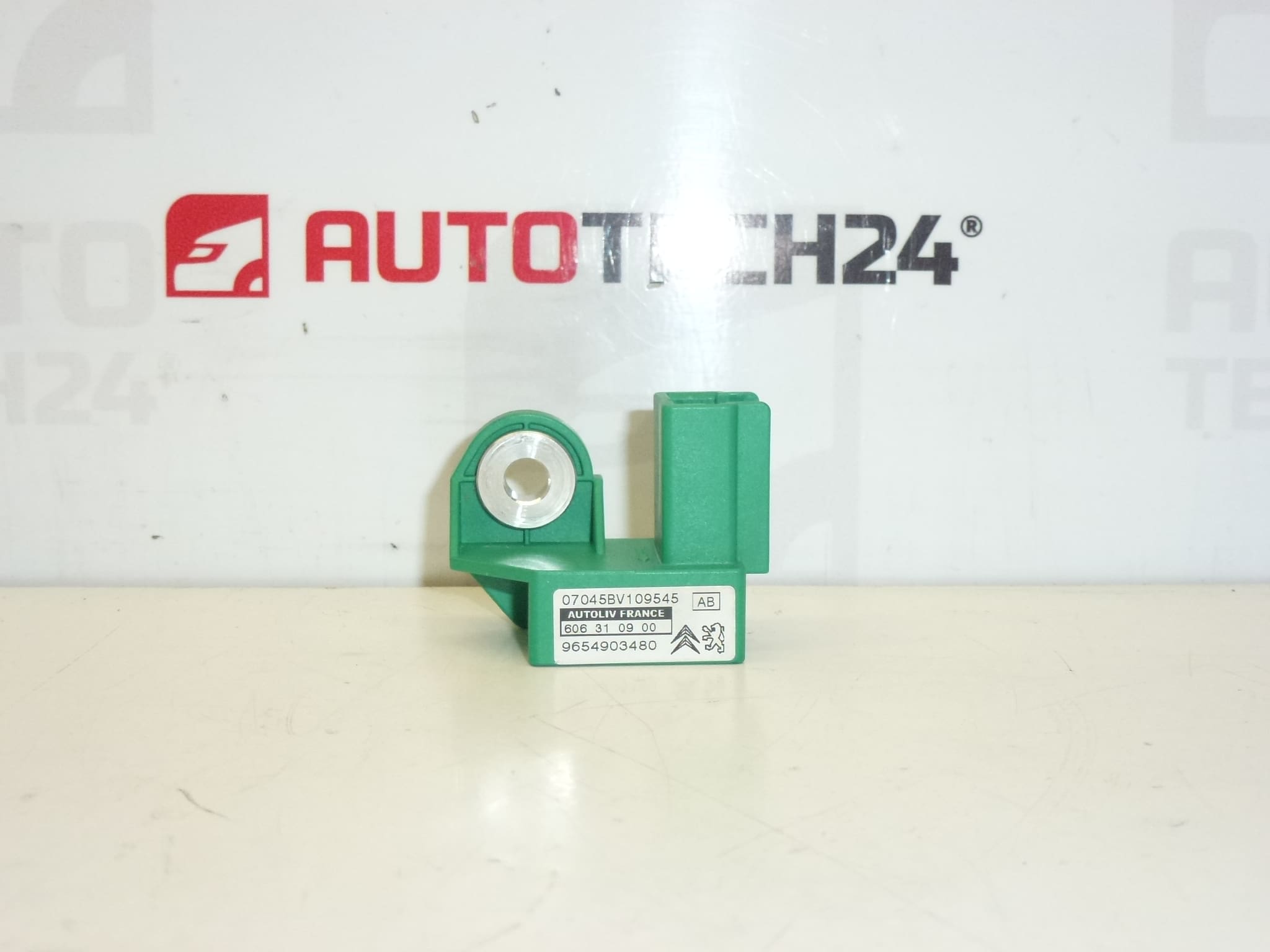
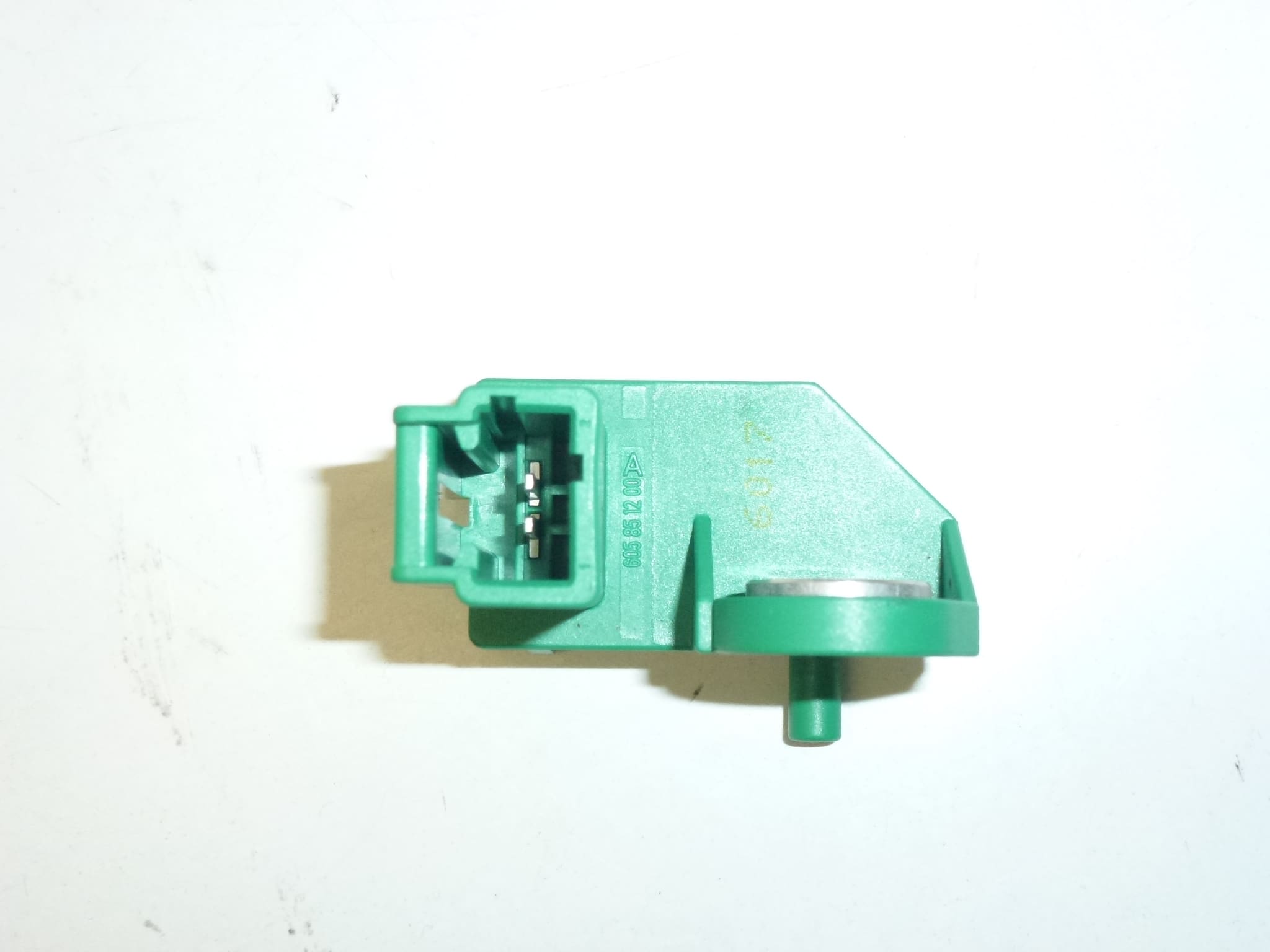
Crash sensor – Activates safety devices (airbags and pyrotechnic seatbelt pretensioners) during a collision. Acceleration sensor ABL.
This genuine-style crash/impact sensor is designed for Citroën and Peugeot vehicles and is commonly referenced by part numbers 9654903480, 96413912ZD and 8216PJ. It senses sudden deceleration and provides the trigger signal for the airbag control system and seatbelt pretensioners, helping to ensure rapid deployment of safety devices in an impact. Ideal for professional workshops and experienced DIY mechanics who search by product code when sourcing replacement parts.
Application And Compatibility
Fits selected models from Citroën and Peugeot, commonly used on Citroën C4 Picasso and Peugeot 207. Always confirm the part number against your vehicle documentation or existing part marking. This sensor is typically listed under electrical components → sensors for Stellantis vehicles.
Technical Information
- Manufacturer: Stellantis (Citroën / Peugeot compatible)
- Model: Citroën C4 Picasso; Peugeot 207
- Product Codes: 9654903480; 8216PJ
- Additional Numbers: 96413912ZD
Function And Typical Location
The sensor measures rapid deceleration (impact) and sends a signal to the airbag control unit to deploy airbags and activate pyrotechnic seatbelt pretensioners. Depending on vehicle layout and model variant, the sensor may be mounted on the vehicle structure in the front crash zone or inside the passenger compartment on structural members. Exact mounting location varies by model—refer to the vehicle repair manual for the precise position.
Installation Recommendations
- Disconnect the battery before starting work and follow the vehicle manufacturer’s safety procedures.
- Locate the sensor using the vehicle service manual or the original part location, unplug the electrical connector and carefully unbolt the sensor from its mounting bracket.
- Install the replacement sensor in the same orientation as the original; incorrect orientation can prevent proper operation.
- Tighten fasteners to the manufacturer’s specified torque values and ensure connectors are clean and secure.
- After installation, perform a full diagnostic scan and clear any fault codes. Verify that the airbag warning lamp behaves normally; if the lamp remains on, consult a diagnostic tool for fault details.
Most Common Failure Reasons
- Direct damage in a previous collision—sensors are often replaced after impact because they are designed to detect and react to crashes.
- Moisture ingress or corrosion at the connector, causing intermittent or permanent electrical faults.
- Connector damage or wiring faults caused by improper repairs or vehicle modifications.
- Internal electronic failure due to age, vibration or manufacturing defects.
Replacement of the crash sensor is a safety-critical repair. If in doubt, have the job performed or checked by a qualified technician and use appropriate diagnostic equipment to confirm correct operation of the restraint system after fitting.