Description
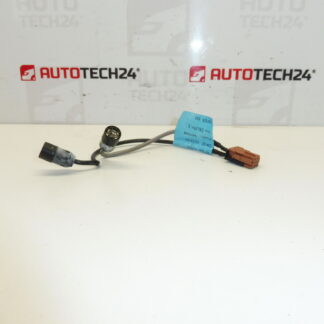
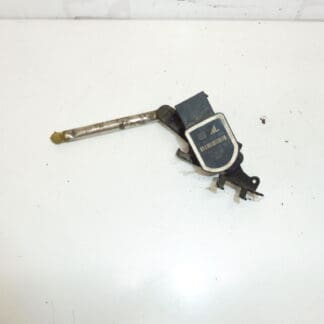
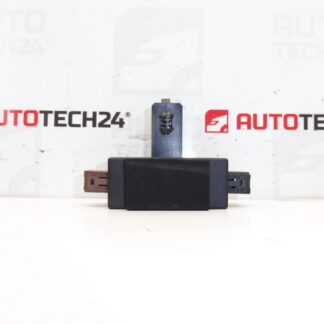
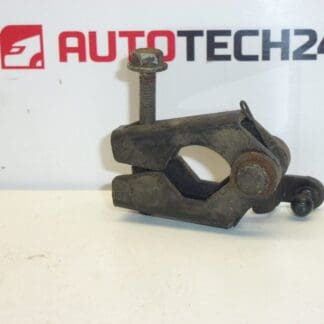
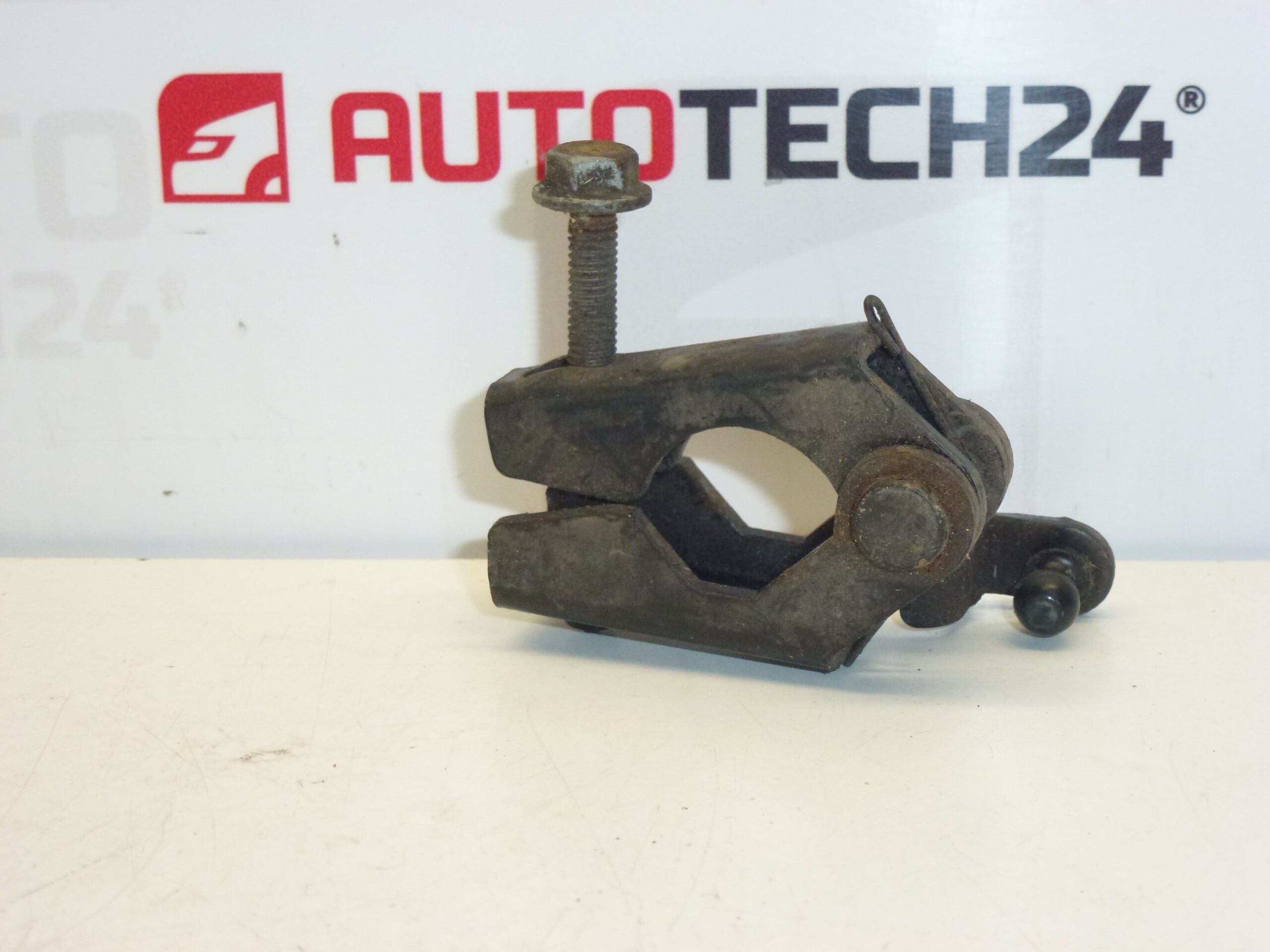
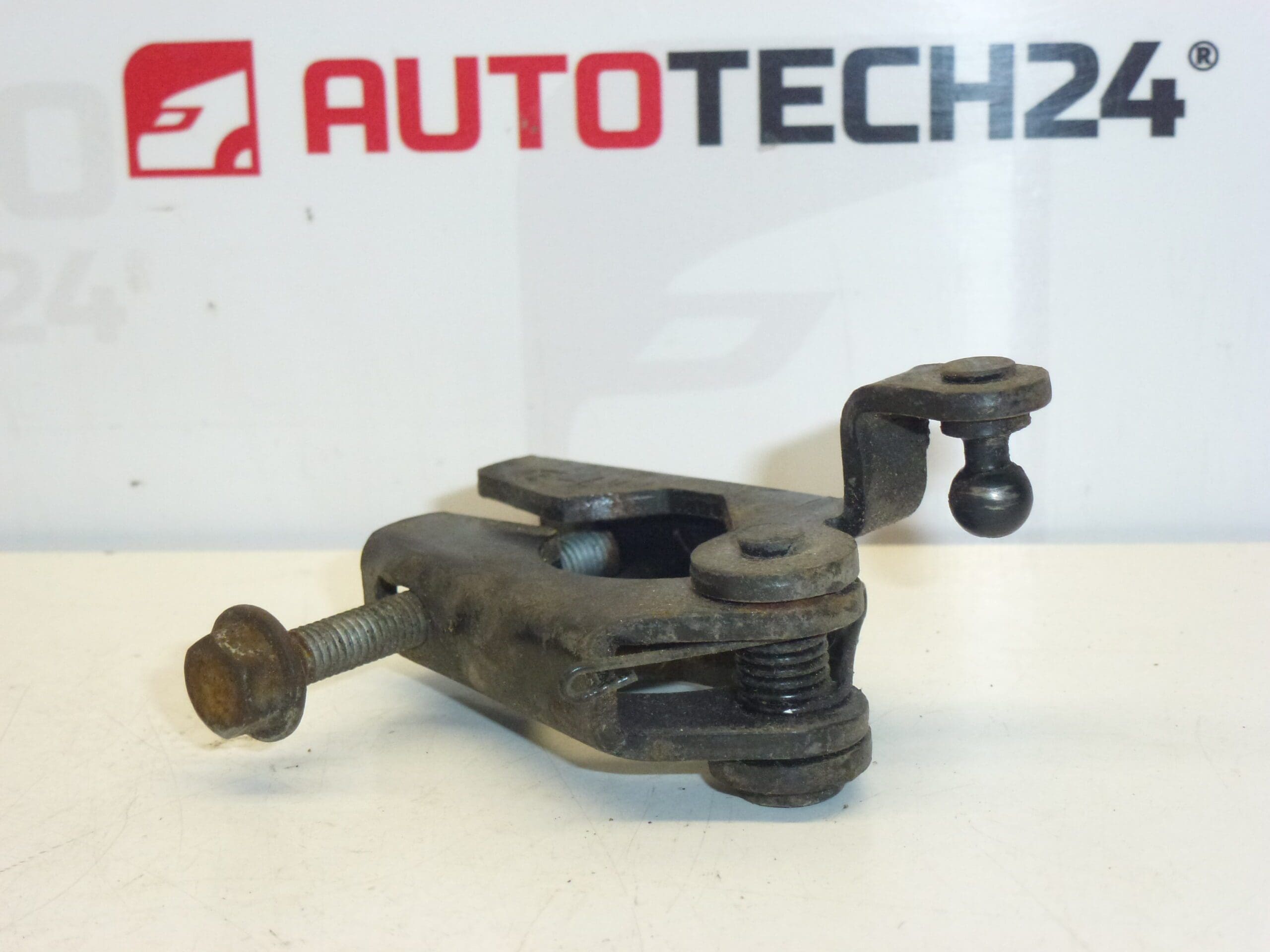
Body height sensor for Citroën C5 first generation from 2001 to 2007
This is a replacement height/ride sensor assembly used on Citroën (Stellantis) self-levelling suspension systems. Commonly referenced by part number 529126, the unit monitors vehicle body height and supplies the suspension control system with the signal needed to maintain correct ride level. Designed for professional workshops and experienced DIY mechanics, this component helps restore proper cornering balance, headlight aim and ride comfort when the original sensor or its mounting has failed.
The part is often searched under the code 529126 and may be listed in Stellantis parts lists for Citroën/Peugeot applications. Installation is straightforward for a trained technician: access the sensor linkage, replace the defective bracket or sensor, reconnect the electrical connector and verify correct operation of the levelling system. Replacing the faulty assembly typically resolves symptoms such as inconsistent ride height, warning lights related to the suspension system, or uneven vehicle stance.
Technical Information
- Manufacturer: Stellantis (Citroën / Peugeot)
- Model: Citroën C5 (First Generation) 2001–2007
- Product Codes: 529126
- Other Numbers: NFP
How It Works
The ride height sensor measures the vertical position between the body and wheel suspension. Its signal is read by the suspension control unit which commands the hydraulic or pneumatic levelling system to raise or lower the vehicle to the programmed height. Accurate sensing is essential for stable handling, correct headlight alignment and to prevent premature wear of suspension components.
Installation Recommendations
- Perform work on a level surface and support the vehicle safely on lifts or jack stands before accessing the sensor area.
- Disconnect the battery or isolate the vehicle electrical system to avoid short circuits when unplugging the sensor connector.
- Inspect the sensor linkage and surrounding mounting points; remove corroded fixings and clean contact areas before fitting the new part.
- If replacing a bracket only, transfer the original sensor element carefully; if replacing the complete sensor assembly, ensure the connector is fully seated and secured.
- After installation, cycle the suspension through its automatic levelling routine or perform a system check with diagnostic equipment to confirm correct height readings and fault clearing.
Most Common Reasons For Failure
- Corrosion And Moisture Penetration: Exposure to road salt and water can corrode the pivot points and electrical contacts, causing intermittent or permanent faults.
- Mechanical Wear Or Impact Damage: Physical damage from road debris, wheel removal or accidental impact can bend or break the linkage or bracket.
- Fatigue Of Linkage Bushings Or Mounts: Over time rubber mounts and bushings wear out, allowing incorrect geometry and faulty sensor readings.
- Wiring And Connector Problems: Broken wires, loose terminals or contaminated connectors lead to signal loss or erroneous readings.
Fitting a new, correctly mounted sensor assembly usually restores reliable levelling operation. For technicians, checking both the mechanical linkage and electrical continuity before replacement helps pinpoint the root cause and avoids repeat failures.