Description
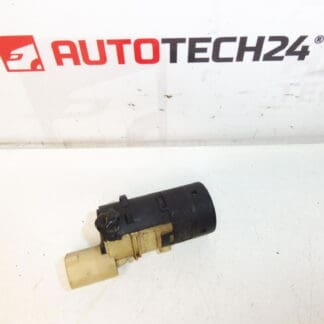
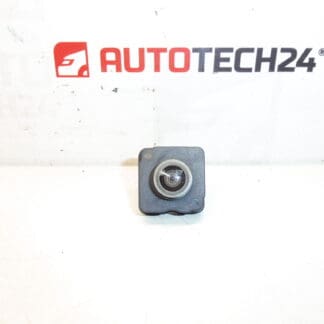
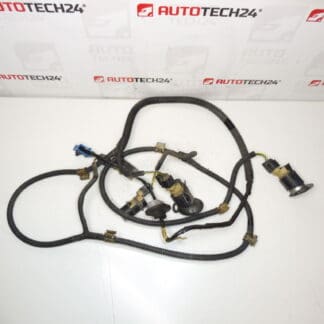
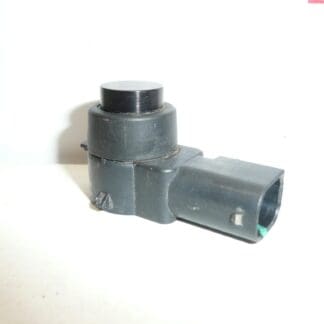
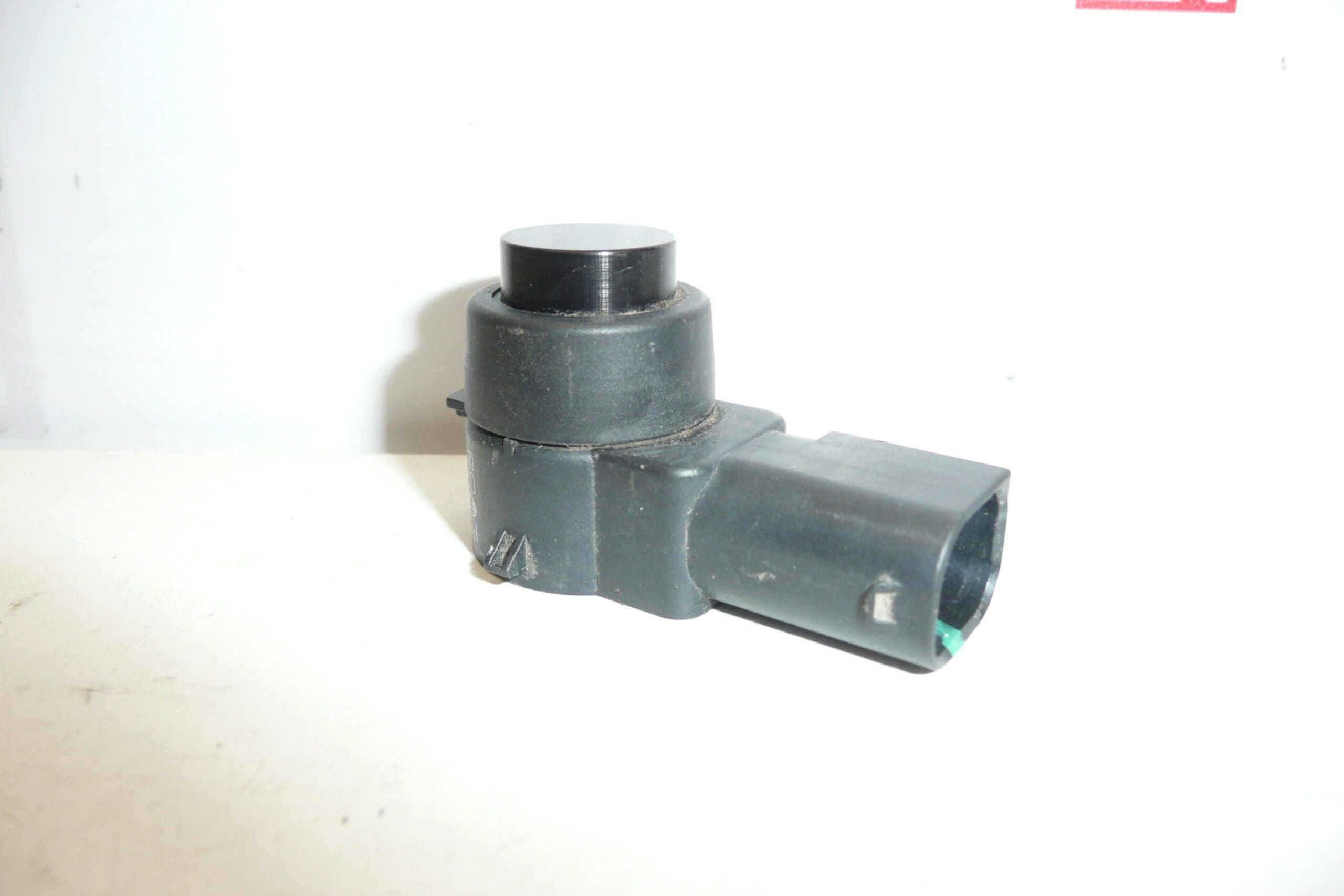
Parking sensor BOSCH for Citroën, Peugeot and DS.
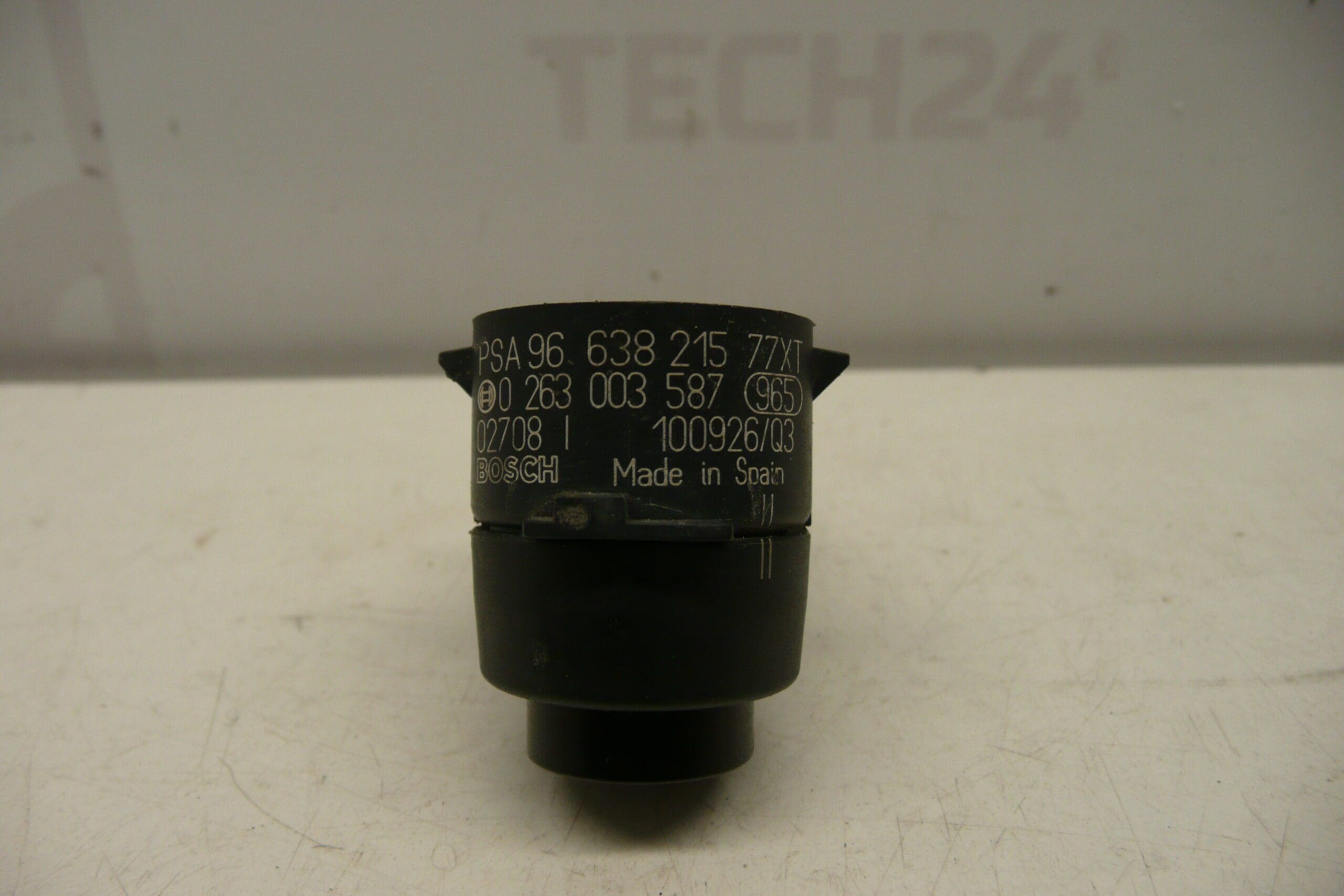
This Bosch parking sensor (OE references include 0263003587, 966638215 and related numbers) is a direct-fit ultrasonic sensor designed for rear and/or front parking assistance systems on many Stellantis vehicles. Ideal for professional workshops and DIY mechanics, the sensor restores reliable obstacle detection during low-speed maneuvers and integrates with the vehicle’s PDC system to reduce parking damage and improve safety. Common reference numbers (0263003587 | 966638215 | 96663821577XT | 1611735580 | 1611735680) help you find an exact match quickly when searching by part code.
Features And Benefits
- Direct Replacement: Designed to match factory fit and function for compatible Citroën, Peugeot and DS models.
- Accurate Obstacle Detection: Ultrasonic sensing technology provides reliable short-range detection typically used by OEM PDC systems.
- OEM Reference Numbers Included: Easy lookup in parts catalogs and search engines using listed product codes.
- Durable Construction: Engineered to withstand road conditions, with sealing to limit moisture ingress under normal conditions.
Technical Information
- Manufacturer: Bosch
- Model: Citroën / Peugeot / DS (Stellantis Vehicles)
- Product Codes: 0263003587, 263003587, 966638215, 96663821577XT
- Additional Numbers: 1611735580, 1611735680
Installation Recommendations
Before starting any work, always follow safe workshop procedures. Typical replacement steps:
- Disconnect The Battery: Always isolate the battery before removing or fitting electrical components to avoid short circuits and protect vehicle electronics.
- Access The Sensor: Remove the bumper or access panel according to the vehicle service manual to reach the sensor housing safely.
- Disconnect The Connector: Release the wiring harness connector and remove the sensor from its mounting clip or grommet.
- Fit The New Sensor: Install the replacement sensor in the correct orientation and secure it in the mounting location. Reconnect the harness firmly to ensure a good electrical connection.
- Check And Test: Reconnect the battery, clear any stored fault codes if present and test the parking assist system (engage reverse gear or use the PDC self-test procedure). If fault codes remain, inspect wiring, connectors and grounding.
- Handling Advice: Avoid touching the sensing face with oily or dirty hands and do not spray high-pressure water directly into the sensor gap during testing or cleaning.
How To Replace
Replacement is straightforward for experienced mechanics: remove bumper/access cover, unplug the sensor, press out the old sensor from its grommet or clip and press the new sensor into place. Always verify mechanical seating and electrical connection before reassembling the bumper.
Why The Part Most Often Fails
- Physical Damage: Impacts from low-speed collisions or scrapes frequently crack or dislodge the sensor.
- Moisture Ingress And Corrosion: Damaged seals or long-term exposure to road salt and moisture can corrode contacts or cause intermittent operation.
- Wiring And Connector Faults: Broken wires, corroded pins or poor connector seating often cause sensor errors even when the sensor element itself is intact.
- Contamination: Heavy dirt, ice or mud on the sensor face can reduce detection performance and trigger faults.
Find this part quickly by using any of the key numbers: 0263003587, 966638215, 96663821577XT, 1611735580, 1611735680. Suitable For Models Such As Citroën C3 Picasso, Citroën C4 Picasso And Citroën C5 (X7), As Well As Other Compatible Peugeot And DS Vehicles Fitted With The Same PDC Sensor Type.