Description
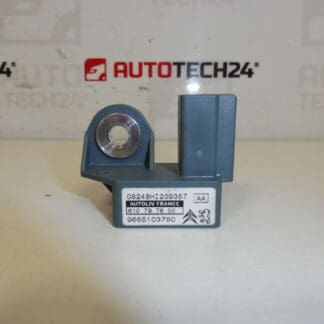
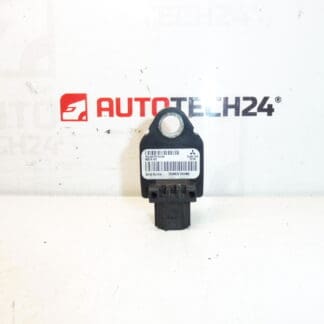
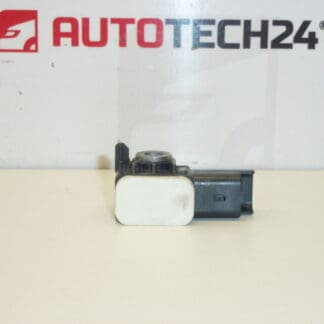
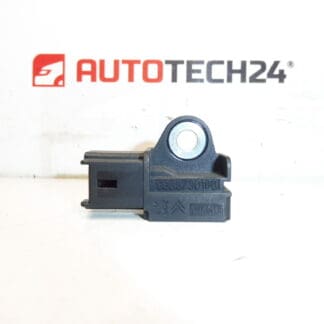
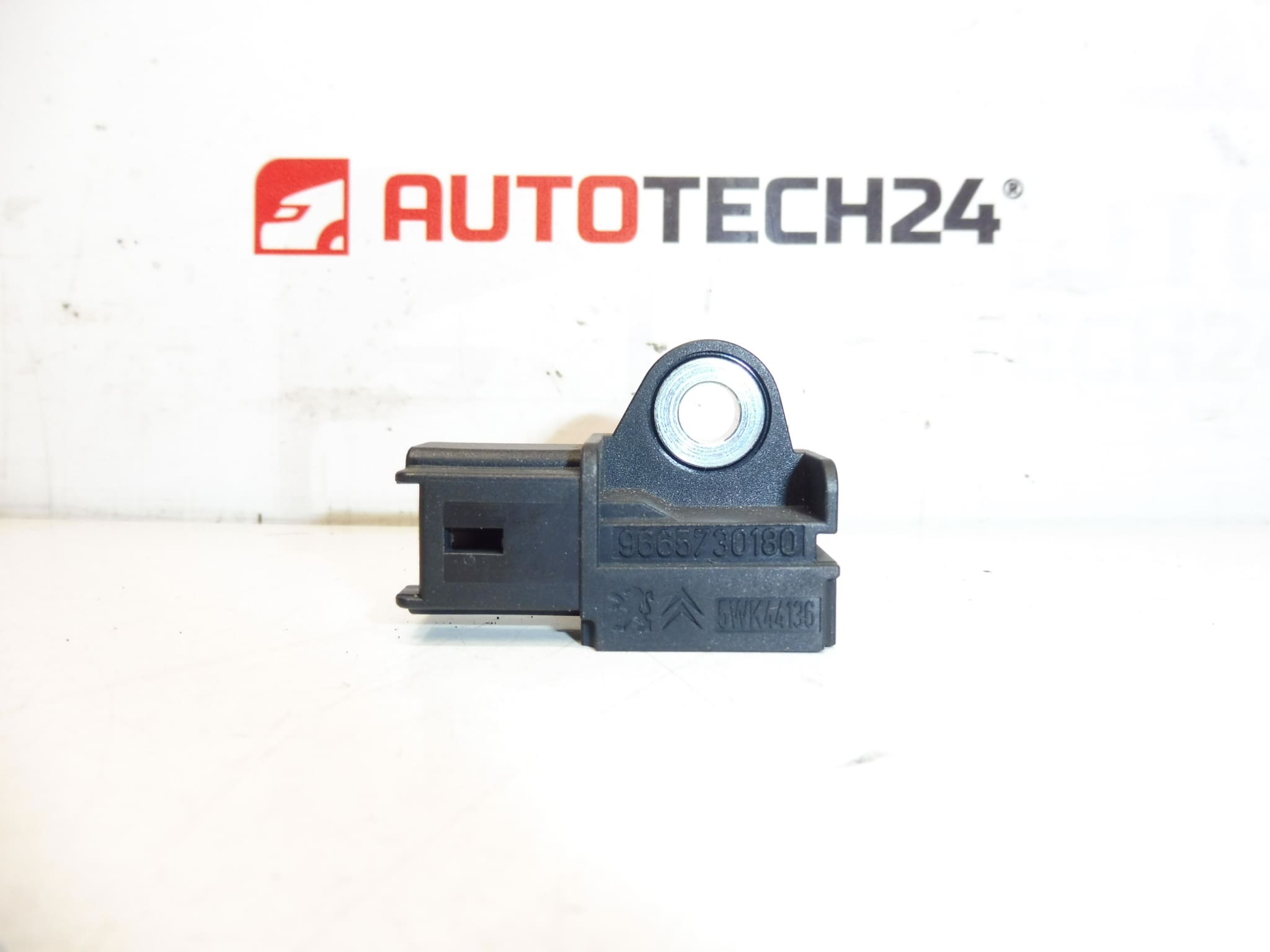
Side impact sensor for airbag for CITROEN PEUGEOT cars
Part description
This used ABL acceleration sensor is intended for Citroën and Peugeot cars. It is an electrical component from the category of sensors, which is part of the airbag system and serves to evaluate a side impact. When searching, this part is often searched by production codes, so it is important to pay attention to the exact marking.
The part is especially suitable for customers who are looking for an original used car part at a reasonable price and want to maintain the correct fitment of the car with the appropriate type of part.
Technical information
- Manufacturer: Stellantis Citroën Peugeot
- Model: Citroen C4 II, DS4, Peugeot 508
- Other numbers: 9665730180, 8217G3
Product codes
Product codes: 9665730180, 8217G3
Models mentioned in the documents: Citroen C4 II, DS4, Peugeot 508
Installation recommendations
Extreme care must be taken with this type of part as it is part of the airbag system. The exact procedure may vary according to the specific model and design of the car, so below is a generally typical procedure for replacing the electrical sensor of the airbag system.
1) Before assembly
- Check that all markings on the original and new part match, especially 9665730180 and 8217G3.
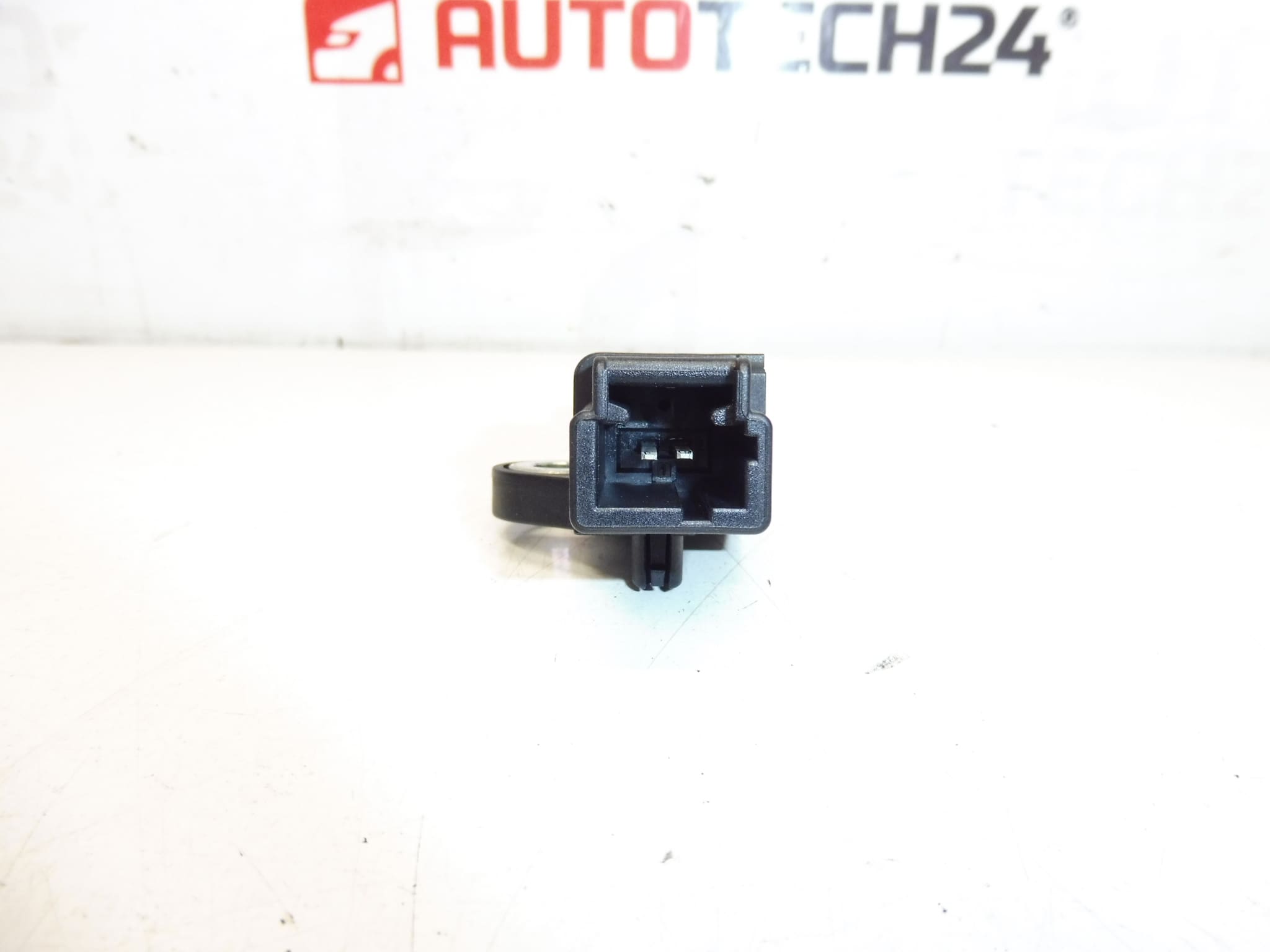
- Compare the shape of the sensor body, connector, number of pins, mounting and orientation of the part.
- Inspect the connector and the sensor itself to see if it is cracked, deformed, oxidized or mechanically damaged.
- Disconnect the battery and wait a reasonable amount of time according to normal service practice before any handling of airbag system components.
2) Necessary tools and materials
- Basic set of hand tools
- Suitable bits and sockets
- Plastic levers for removing covers
- Electrical contact cleaner
- Clean lint-free cloth or cloth
- Protective gloves
3) Step-by-step assembly procedure
- Park the vehicle in a safe place and turn off the ignition.
- Disconnect the battery and leave the vehicle stationary before starting work.
- Access the area where the original sensor is located by removing any necessary covers or trim.
- Disconnect the electrical connector of the original sensor carefully, without force and without damaging the fuse of the connector.
- Unmount the old part and remove it from the holder or mounting position.
- Compare the old and new sensor side by side, including markings, connector and mounting.
- Check the condition of the cabling and the connector, or gently clean the contact surfaces with a suitable product.
- Place the used sensor in the correct position and ensure the same rotation as for the original piece.
- Install the fastener and tighten it appropriately according to normal service practice for the type of connection.
- Connect the electrical connector so that it fits and locks properly.
- Reinstall all covers and parts that were removed for access.
- Connect the battery and perform a basic vehicle function check.
-
4) Post-assembly checks and function verification
- Check that the connector is firmly seated and that the wiring is not pinched anywhere.
- Check that there are no loose covers, brackets or fasteners after assembly.
- After switching on the ignition, observe the behavior of the vehicle system control lights.
- If a fault record has been stored in the system, it is usually appropriate to carry out a diagnostic check.
5) The most common assembly mistakes + how to avoid them
- Exchanging a part based on an inaccurate number – always compare the entire label, not just part of it.
- Assembly of the damaged piece – check the body of the sensor and the connector before installation.
- Damage to the connector during disassembly – do not pull it out by force, release the fuse first.
- Mounting in the wrong position – ensure the same seating and orientation as the original part.
- Work without disconnecting the battery – this is an essential safety step for airbag system components.
Reasons why the part is damaged
- severe or repeated vehicle impact
- mechanical damage during unprofessional disassembly or assembly
- moisture ingress into the connector or wiring
- Corrosion of contacts and deteriorated electrical connection
- vibration and long-term stress in operation
- damage to the wiring harness around the sensor