Description
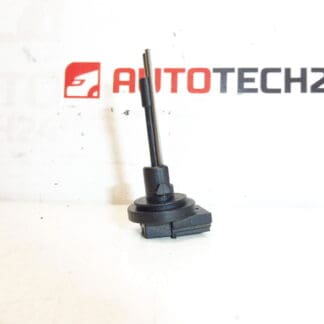
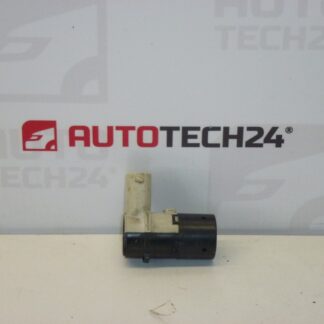
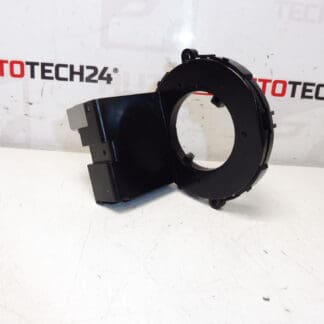
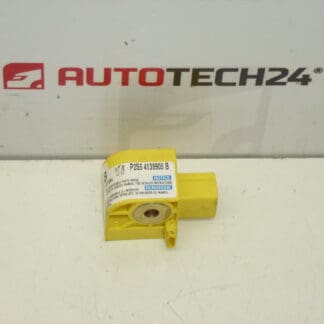
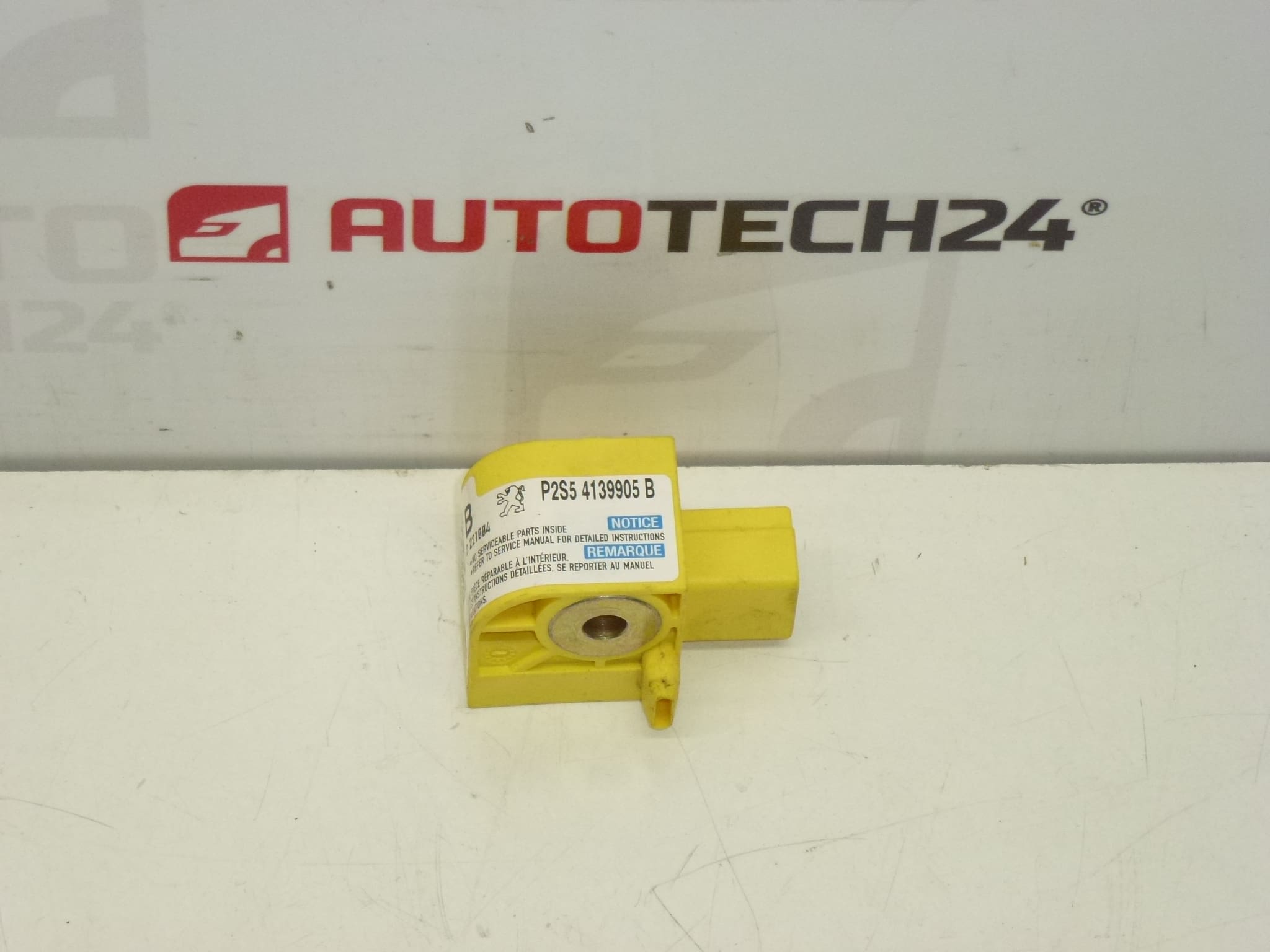
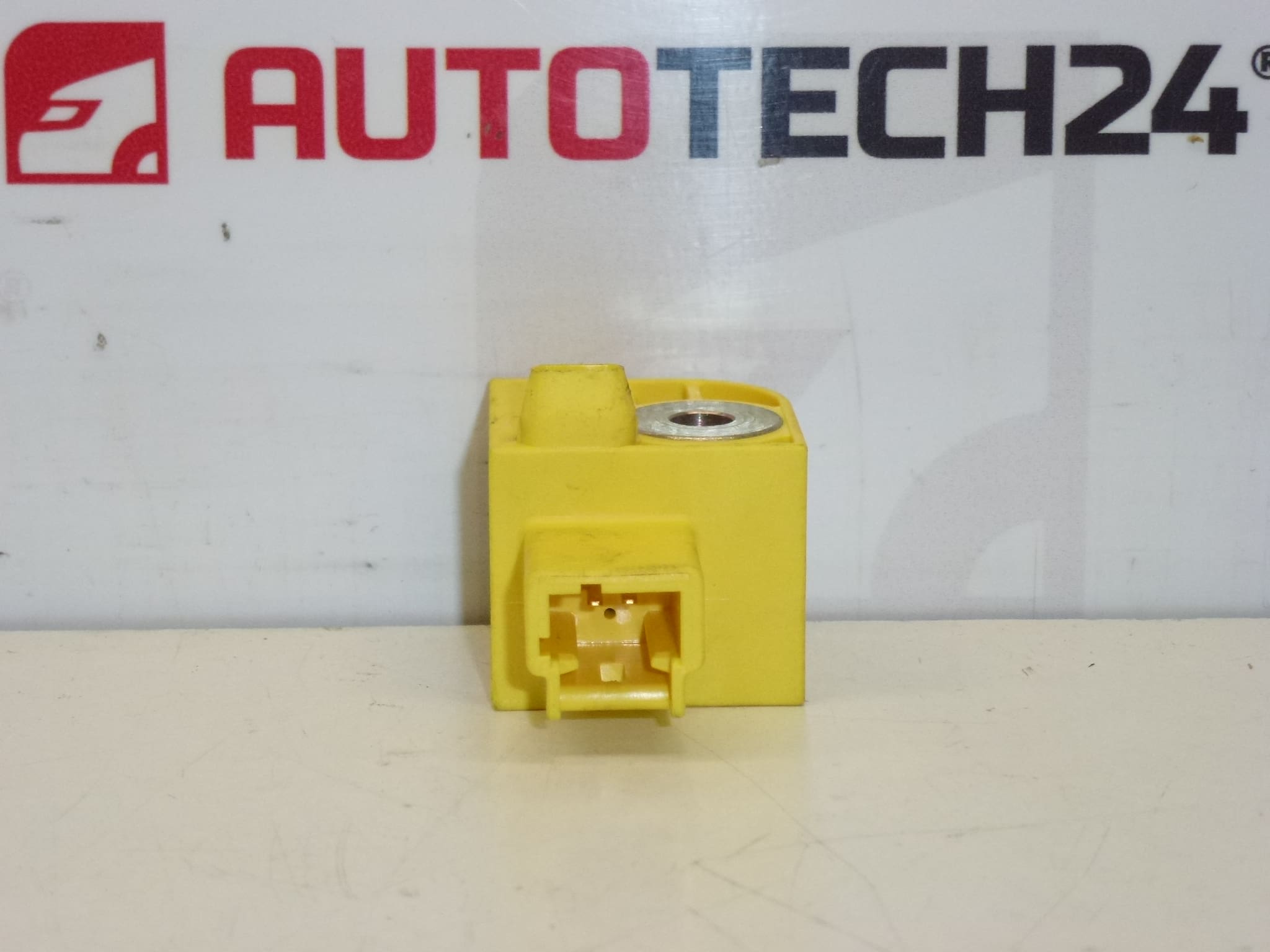
Siemens acceleration sensor for Peugeot 307.
Product Overview
High-quality Siemens acceleration sensor designed for Peugeot 307. This sensor measures longitudinal acceleration and provides critical input to vehicle safety and stability systems. It is commonly referenced by OE and aftermarket codes and is a direct replacement part for vehicles equipped with the corresponding sensor mounts and connectors. Ideal for professional workshops and experienced DIY mechanics who need a reliable sensor to restore correct system functionality.
Key Benefits
- Direct fit for compatible Peugeot 307 applications.
- Provides accurate acceleration data to safety and stability control systems.
- Easy electrical connection with standard plug-in connector.
- Replacement part for faults or after collision events that compromise sensor performance.
Technical Information
- Manufacturer: Siemens
- Model: Peugeot 307
- Product Codes: 9649474680, 5WK42989
- Additional Numbers: 8216AL
Function And Application
The acceleration sensor detects longitudinal acceleration and deceleration. Its signal is used by vehicle control units to manage passive and active safety features such as airbag deployment algorithms and stability/traction control logic. Accurate and timely data from this sensor is essential for proper operation of these systems.
Common Failure Modes
Acceleration sensors typically fail for the following reasons: physical impact or collision damage, connector corrosion or water ingress, internal electronic drift after many years in service, or wiring harness faults. Symptoms of a failing sensor include fault codes related to airbags or stability control, illuminated warning lamps, or degraded system performance.
Replacement And Installation Guidance
- Safety First: Always disconnect the vehicle battery before beginning work to avoid accidental airbag deployment and to protect vehicle electronics.
- Location: The sensor is usually mounted to the vehicle body (for example in the central tunnel or under the center console) and fixed with bolts. Exact location varies by vehicle version — consult the vehicle repair manual for access instructions.
- Removal: Unplug the electrical connector, remove mounting bolts and extract the sensor. Handle the unit carefully to avoid shock or contamination.
- Installation: Fit the new sensor in the correct orientation and secure with the original mounting hardware to the manufacturer’s torque specification. Reconnect the electrical connector ensuring a clean contact.
- Commissioning: After replacement clear relevant fault codes and verify system status with a diagnostic tool. Some systems require calibration or initialization after sensor replacement to ensure correct operation.
- Recommended For: Tasks are suitable for professional technicians and competent DIYers with knowledge of vehicle safety systems and access to basic diagnostic equipment.
Why Replace This Part
Replace the sensor when fault codes indicate malfunction, after collision damage, or when stability/airbag systems report errors. Timely replacement restores proper data to safety systems and helps ensure reliable airbag deployment and vehicle stability control performance.
Additional Notes For Mechanics
Keep connectors and mounting surfaces clean and dry. Do not subject the new sensor to impact or strong magnetic fields. If fault codes persist after mechanical replacement, inspect wiring and related modules for secondary faults and perform diagnostic steps with an appropriate scan tool.