Description
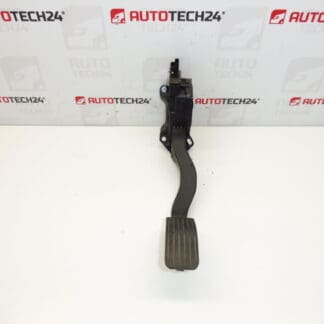
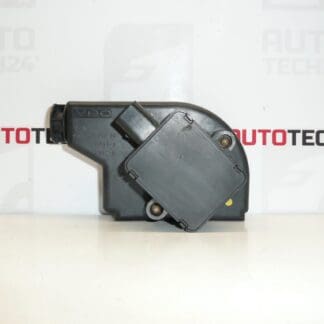
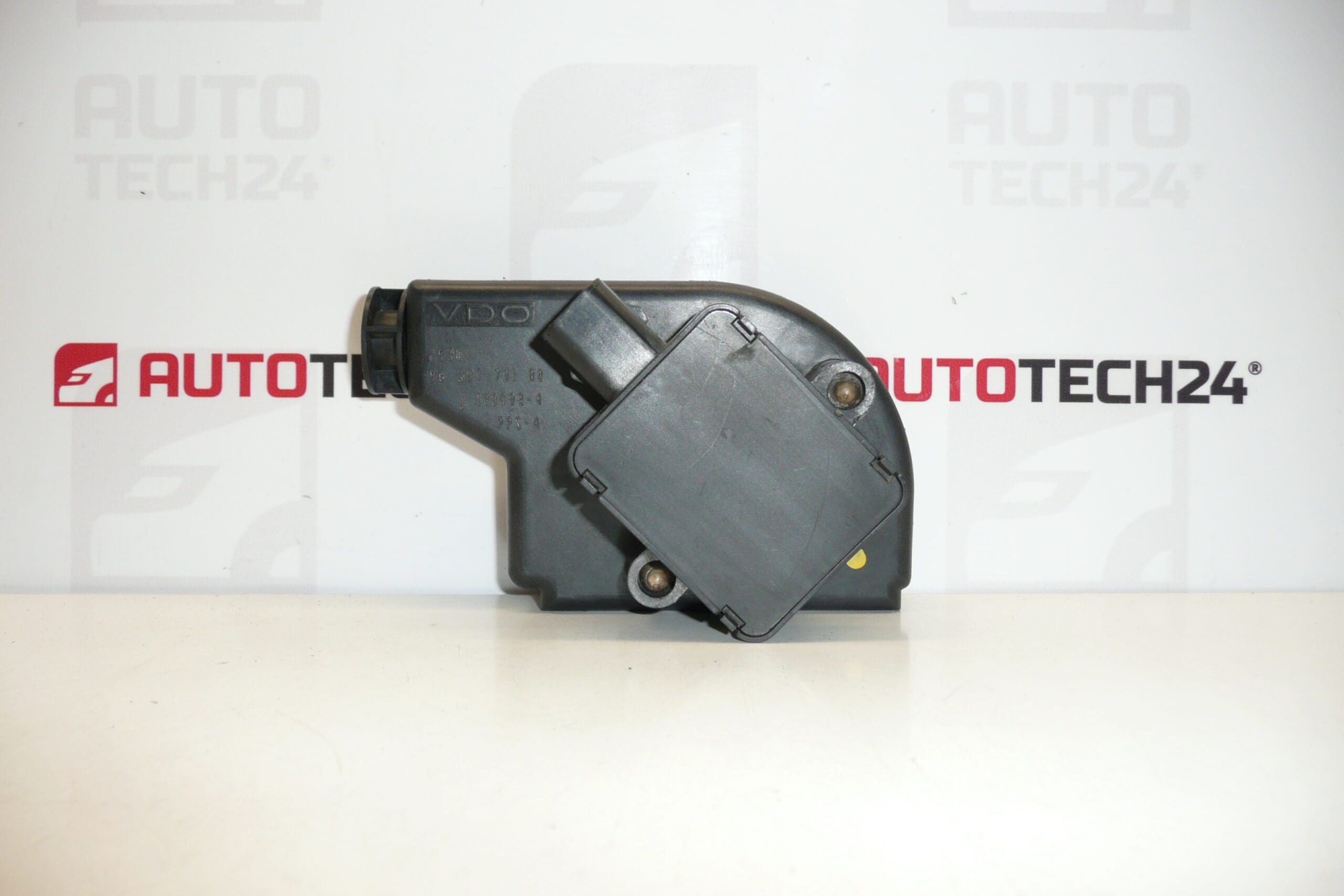
Throttle potentiometer for Citroën and Peugeot vehicles. Suitable for 1.6, 2.0 and 2.2 HDi engines.
This accelerator pedal potentiometer (throttle/accelerator position sensor) is an OEM-compatible replacement designed for a range of Citroën and Peugeot diesel models. It restores precise pedal position feedback to the engine control system, improving throttle response, idle stability and drivability. Ideal for professional garages and experienced DIY mechanics looking for a direct-fit part that matches common OEM product numbers (useful when searching by part code).
Technical Information
- Manufacturer: Stellantis (Citroën / Peugeot)
- Model: Accelerator Pedal/Throttle Potentiometer
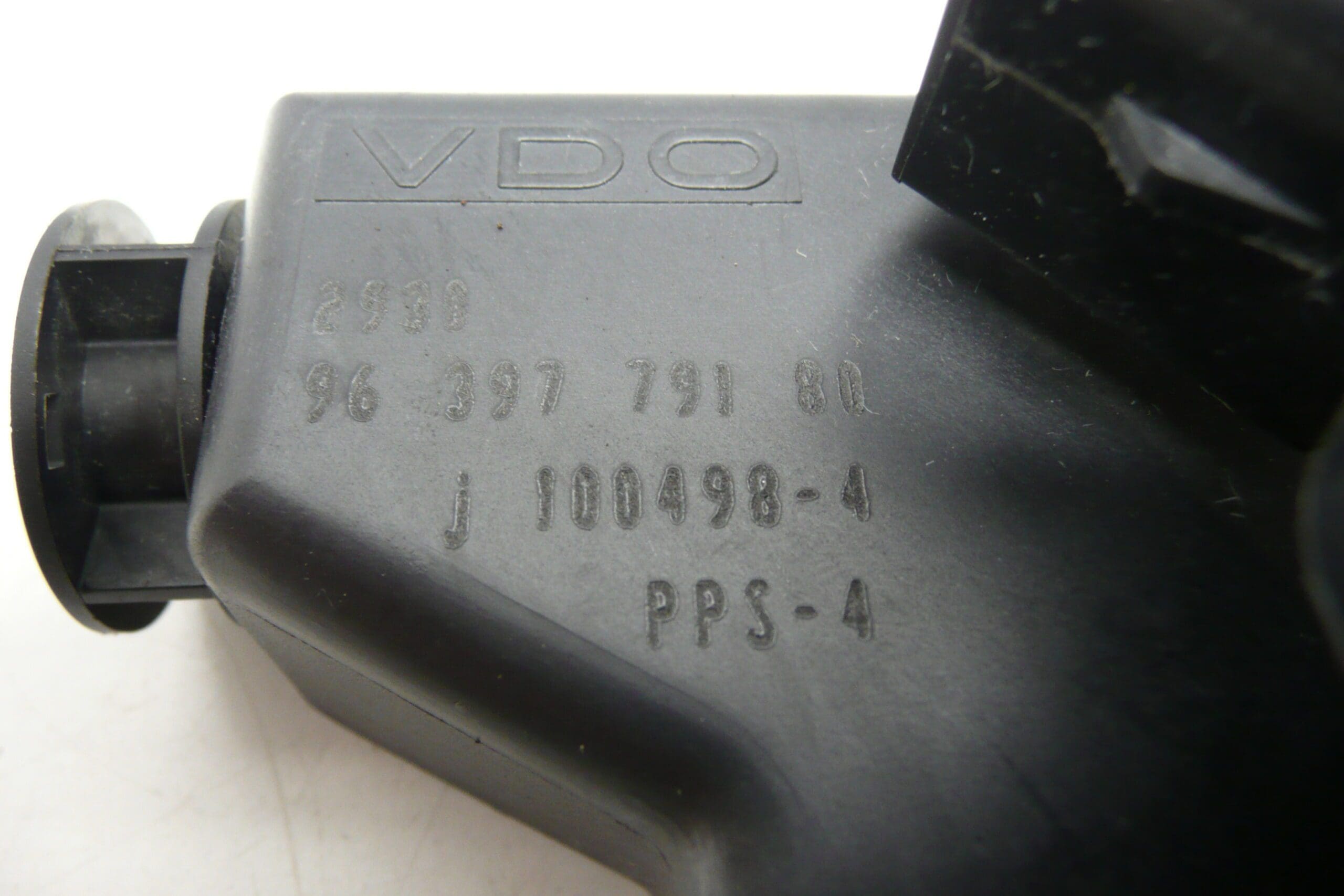
- Product Codes: 9639779180, 1920X1, 1920AK
- Additional Numbers: 9643365680, 445821001002, 19209W
Applications
Commonly fitted to the following models with 1.6 / 2.0 / 2.2 HDi engines: Citroën Berlingo, Citroën C5, Citroën C8, Citroën Xsara, Citroën Xsara Picasso, Peugeot 307, Peugeot 406, Peugeot 807, Peugeot Partner. Always verify part number compatibility for your specific vehicle year and engine variant before ordering.
Function And Benefits
The potentiometer measures the accelerator pedal position and sends a proportional voltage signal to the engine ECU. Accurate pedal position data is essential for throttle control, fuel delivery and emission management on modern drive-by-wire systems. Replacing a worn or faulty potentiometer typically restores smooth acceleration, eliminates limp-home mode events and reduces irregular idling or hesitation.
Replacement Procedure
- Park vehicle on level ground, engage parking brake and remove key from ignition.
- Disconnect the negative battery terminal before beginning work to prevent electrical damage.
- Gain access to the accelerator pedal housing by removing lower dash trim as required.
- Unplug the electrical connector and remove the retaining screws or rivets securing the potentiometer to the pedal assembly.
- Install the new potentiometer in the original position, secure fasteners and reconnect the wiring harness.
- Reattach trim panels and reconnect the battery. Perform a throttle/pedal relearn or calibration if required by the vehicle (see Installation Recommendations).
Installation Recommendations
- Disconnect the battery before disassembly and observe ESD precautions when handling the sensor.
- Inspect the connector and wiring harness for corrosion or damage; clean contacts if necessary to ensure reliable signal transmission.
- Use the correct fasteners and torque settings specified by the manufacturer when refitting; if unknown, secure snugly without over-tightening plastic components.
- After installation, some vehicles may require a throttle relearn or pedal calibration. This can often be done with PSA diagnostic tools (DiagBox/Lexia) or by following the vehicle-specific relearn procedure. If uncertain, have calibration performed by a qualified technician.
Why The Part Commonly Fails
Typical failure causes include mechanical wear of the internal potentiometer track, contamination from dust or moisture, connector corrosion, or damage to the pedal linkage. Symptoms of failure are erratic idle, reduced engine power, hesitation, illumination of the engine warning lamp and diagnostic trouble codes related to throttle or pedal position (for example codes in the P0120–P0124 range or correlation faults such as P2135). Regular inspection of the pedal assembly and harness can prevent unexpected failure.
Notes For Professionals
Searching by OEM product codes (listed above) significantly improves part-match accuracy. The unit is intended as a direct replacement for the listed applications; verify the code stamped on the old part when possible. For reliable long-term operation, ensure connectors are clean and wiring is secured away from moving components.