Description
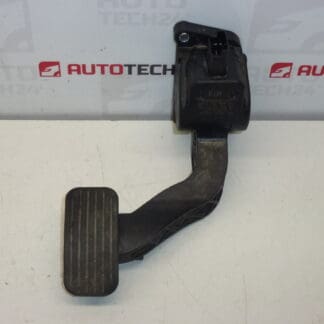
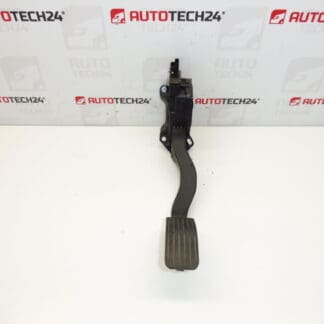
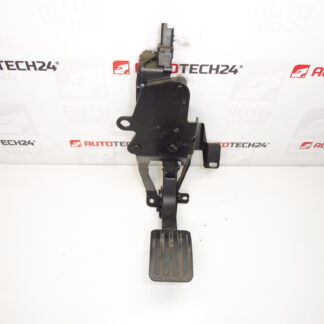
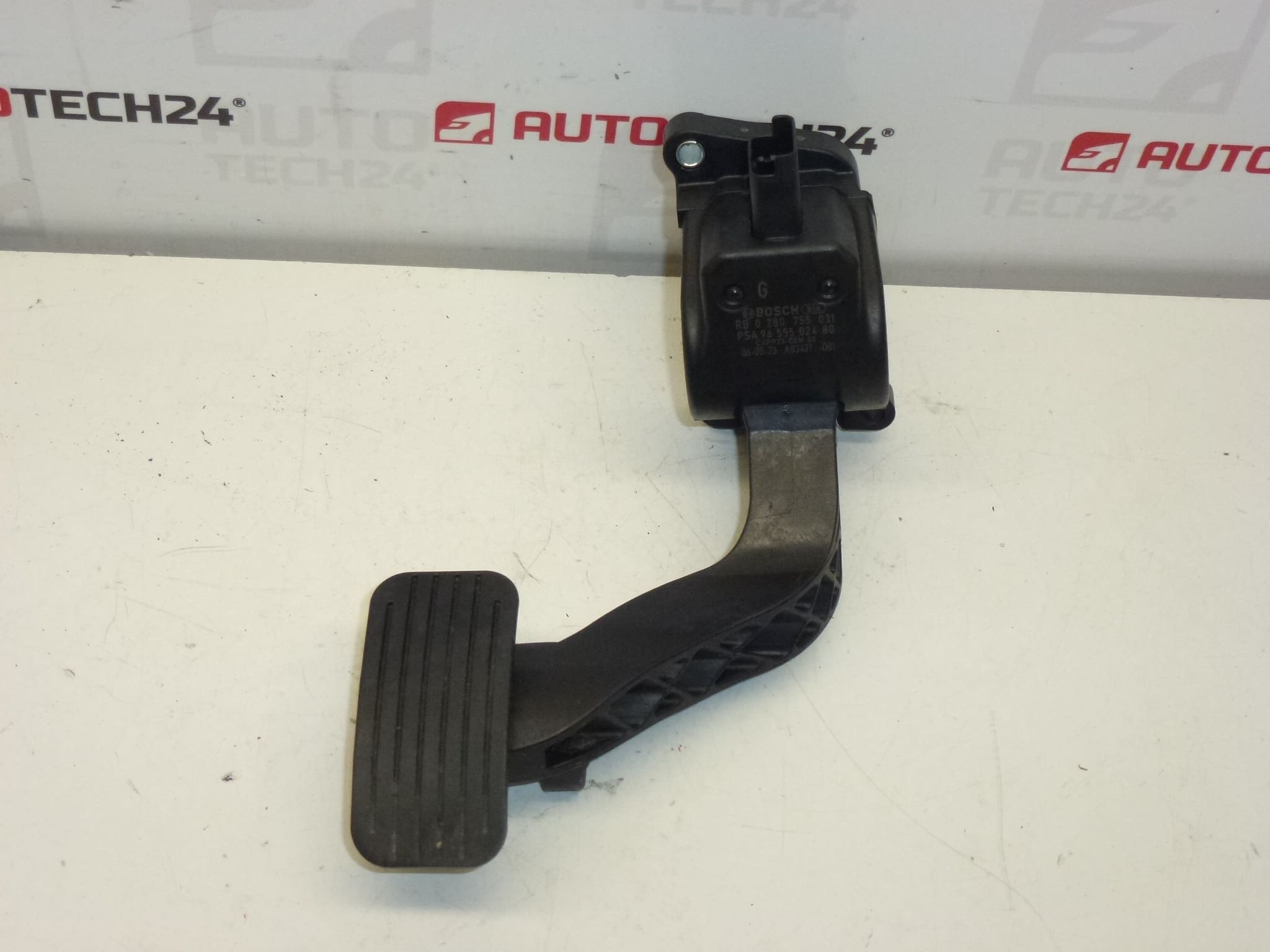
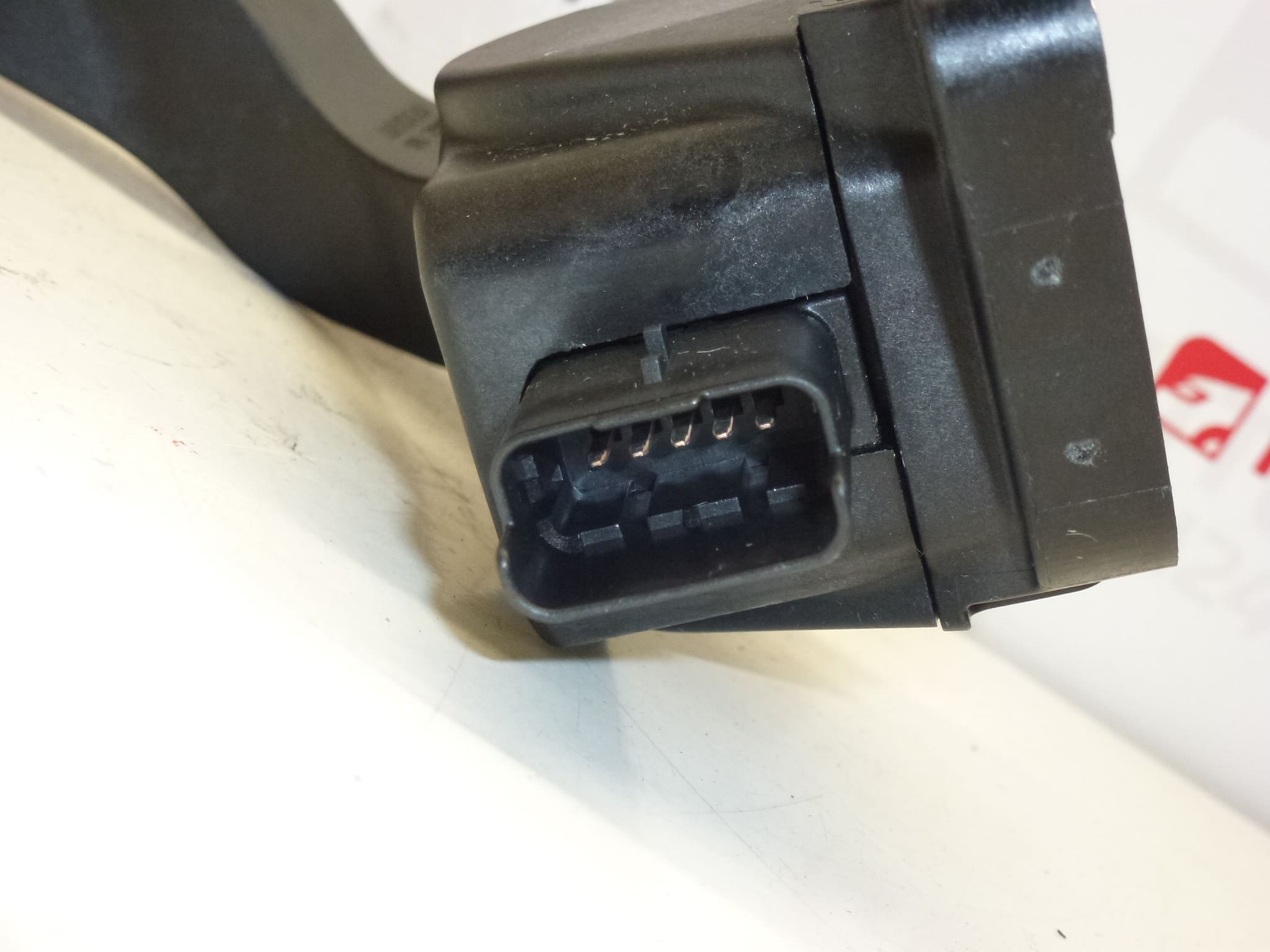
Throttle Pedal Potentiometer For Citroën Xsara Picasso
This Bosch throttle pedal potentiometer (part numbers 0280755031, 9655502480, 1601S0) is a direct-fit replacement designed for Citroën Xsara Picasso vehicles with electronic throttle control. Built to industry standards, it restores precise pedal position feedback to the engine control unit and helps eliminate erratic throttle response, limp-home mode, and related driveability issues. Ideal For Professional Mechanics And Skilled DIY Enthusiasts Looking For A Reliable OE-Style Replacement.
Function And Benefits
The Unit Measures The Accelerator Pedal Position And Converts Mechanical Pedal Movement Into An Electrical Signal (Potentiometer Output) Sent To The ECU. Proper Operation Ensures Smooth Throttle Response, Predictable Acceleration, And Correct Drive-By-Wire System Behavior. Benefits Include:
- Accurate Pedal Position Feedback For Stable Engine Performance
- Direct Replacement For Easy Installation
- OE-Compatible Design From Bosch For Long-Term Reliability
- Supports Diagnostics And Calibration Procedures When Required
Compatibility
Intended For Citroën Xsara Picasso Models Equipped With Electronic Throttle Control That Use The Listed Part Numbers. Confirm Fitment By Matching The Part Number On The Old Unit With One Of The Following Codes:
Technical Information
- Manufacturer: Bosch
- Model: Citroën Xsara Picasso
- Product Codes: 0280755031, 9655502480, 1601S0
- Other Numbers: 280755031
Installation Recommendations
Follow These Steps For A Safe And Correct Replacement:
- Disconnect The Battery Before Starting Work To Prevent Electrical Damage.
- Remove Interior Trim Panels To Access The Pedal Module And Unplug The Electrical Connector.
- Unscrew The Fasteners Securing The Pedal Potentiometer To The Pedal Assembly And Remove The Old Unit.
- Install The New Unit Ensuring Correct Orientation And That The Connector Pins Are Clean And Fully Seated.
- Tighten Fasteners To Manufacturer Spec Or Until Secure; Avoid Over-Torquing.
- Reconnect The Battery And Perform Any Required ECU Adaptation/Calibration Procedures With Diagnostic Equipment If The Vehicle Requires Throttle Relearning.
Why The Part Commonly Fails
Typical Failure Modes And Symptoms:
- Wear Of Internal Potentiometer Elements Causing Erratic Or Intermittent Signals.
- Contamination Or Moisture Ingress Leading To Corrosion Of Contacts Or Signal Degradation.
- Mechanical Damage From Pedal Misalignment, Excessive Play, Or Impact.
- Damaged Wiring Or Connector Pins Resulting In Signal Loss.
Common Symptoms Include: Check Engine Light Or Throttle Warning, Reduced Throttle Response, Hesitation On Acceleration, Unstable Idle, Or Vehicle Entering Limp Mode. These Faults May Produce Standard Throttle/Pedal Position Error Codes During Diagnosis.
Service Life And Maintenance
Service Life Varies According To Use And Environmental Conditions. Units Typically Last Many Years Under Normal Conditions, But High Mileage, Moisture Exposure, Or Harsh Operating Environments Accelerate Wear. Regular Inspection Of Wiring And Connectors During Routine Service Reduces Risk Of Unexpected Failure.
Notes For Professionals
Mechanics Should Verify Part Numbers And Inspect The Pedal Assembly For Secondary Damage. After Replacement, Use Diagnostic Tools To Clear Codes And Confirm Correct Signal Values From The New Potentiometer During Pedal Travel.