Description
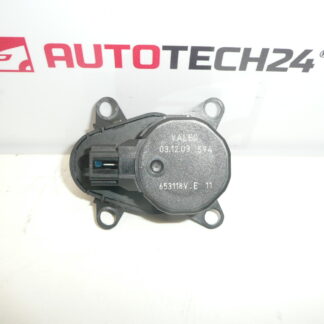
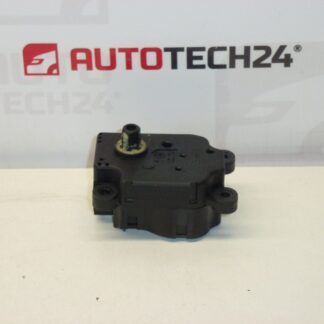
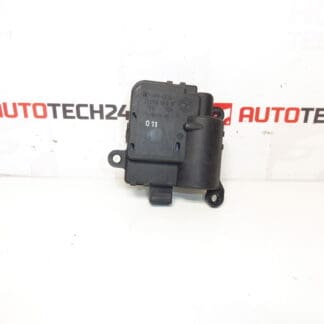
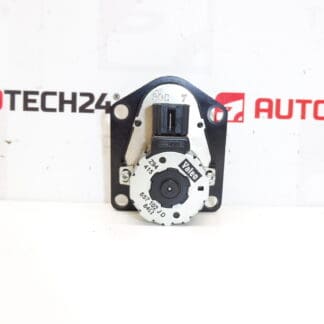
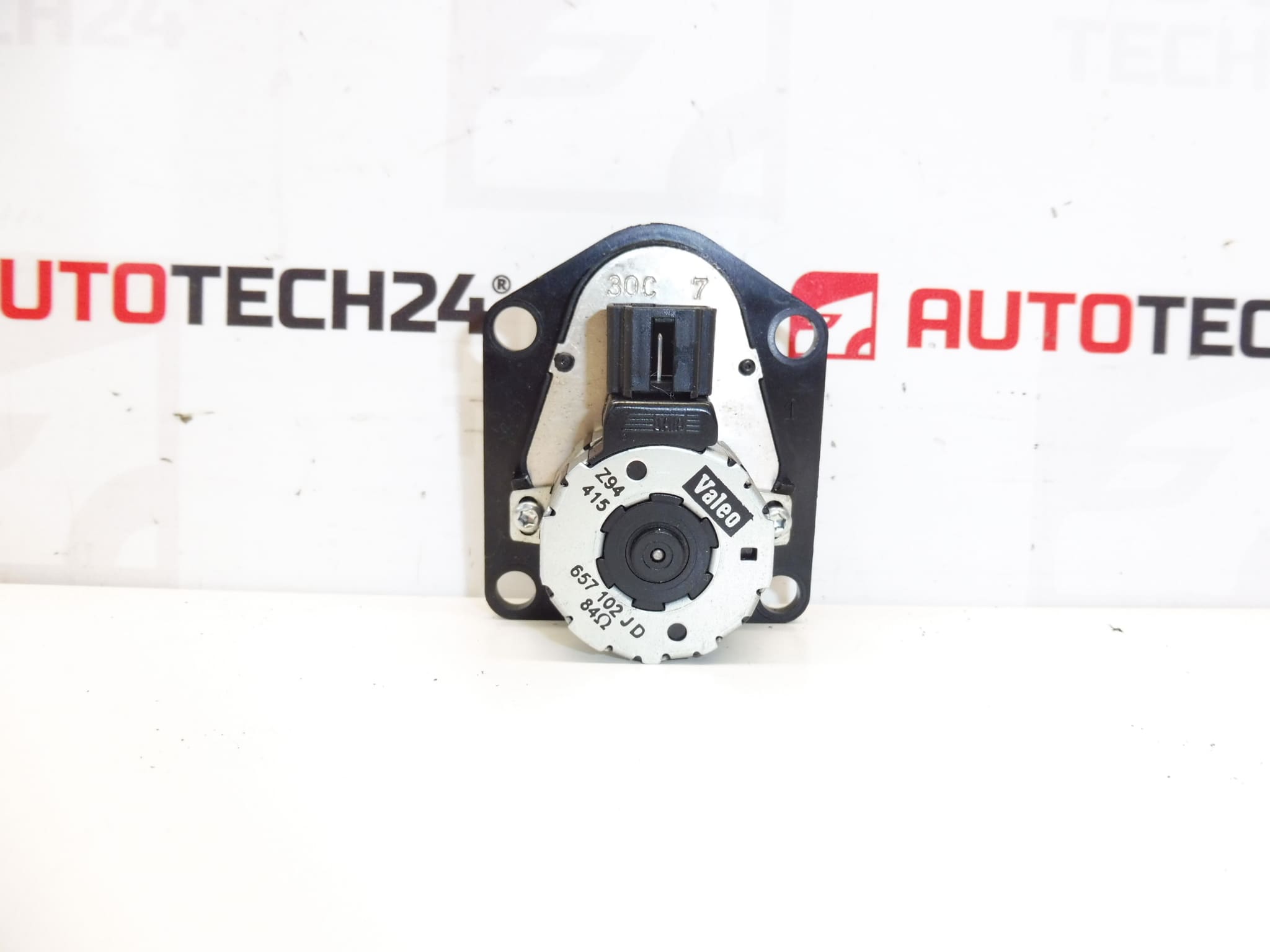
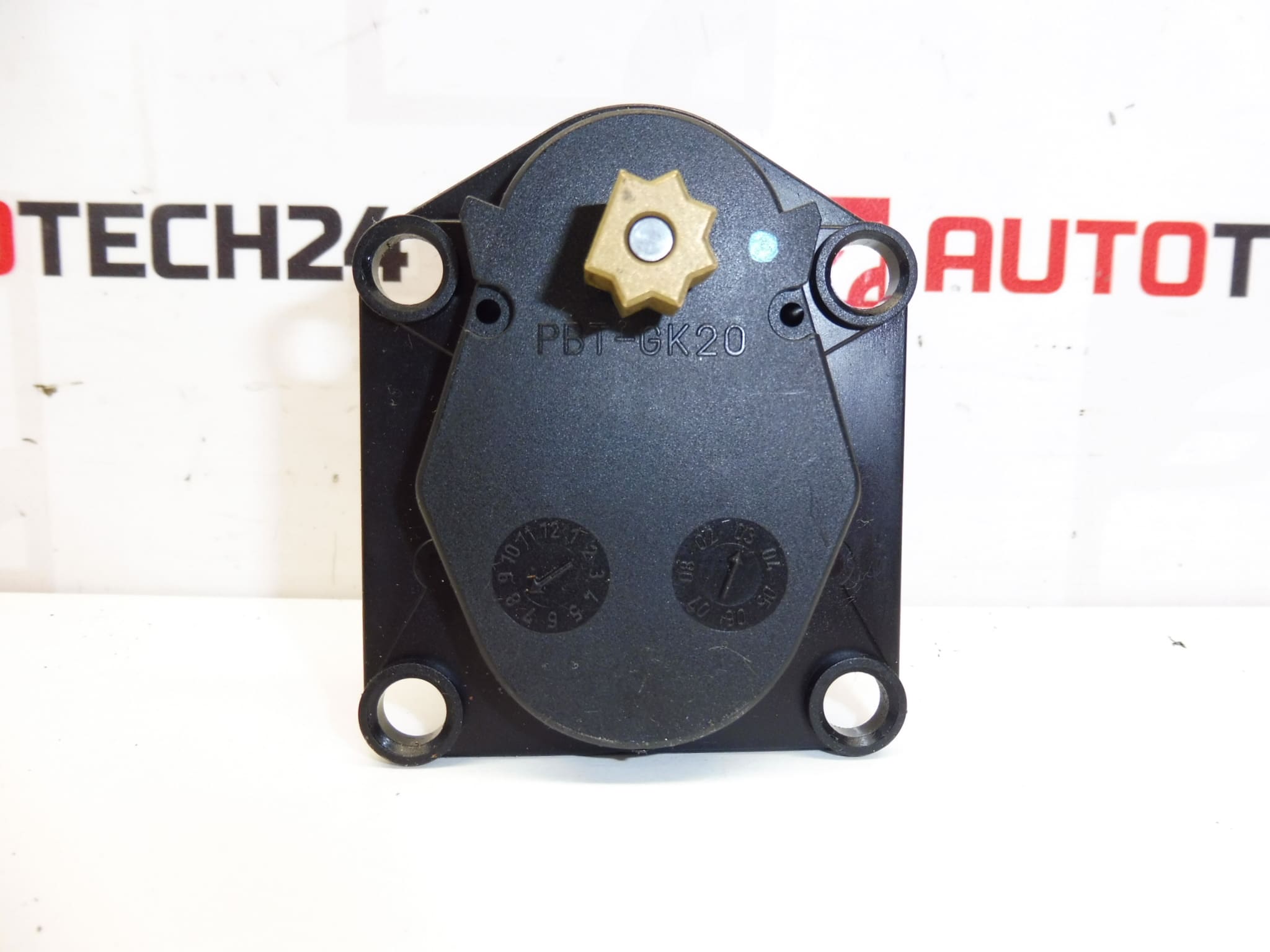
VALEO Heater Servo Motor for CITROËN and PEUGEOT Vehicles
We may supply a full genuine VALEO replacement.
Overview
This VALEO heater servo motor (HVAC actuator) is designed to control blend and mode doors in the heating and ventilation system on a range of Citroën and Peugeot models. The actuator converts electrical signals from the climate control unit into precise mechanical movement of flaps, ensuring correct temperature distribution and airflow direction in the passenger compartment. Commonly searched under part numbers 657102JD and 6447HH, this unit is suited for professional workshops and competent DIY mechanics who perform HVAC repairs.
Key Benefits
- Direct replacement for faulty or worn HVAC actuators—restores accurate temperature and vent control.
- Fits multiple Citroën and Peugeot models (see Technical Information below).
- Compact, service-friendly design for relatively straightforward access and replacement.
- Compatible with original Valeo specifications where an original-equivalent unit is supplied.
Signs Of A Faulty Actuator
- Unusual clicking or grinding noise from behind the dashboard when changing temperature or vent mode.
- Inability to change airflow direction or temperature accurately.
- Intermittent operation or complete loss of function on one or more HVAC doors.
- Error messages or fault codes related to climate control on diagnostic equipment.
Typical Causes Of Failure
Actuators most commonly fail due to mechanical wear of plastic gears, stripped gear teeth, or degraded internal potentiometers. Moisture ingress, long-term heat cycles, and accumulated dust can accelerate wear. Frequent load on the blend door (for example, obstructed door movement) or poor electrical connectors can also shorten service life.
Replacement And Installation
Replacement is typically a moderate task for a trained technician and feasible for experienced DIYers with basic tools. General steps:
- Disconnect the battery before starting work to avoid short circuits and protect electronics.
- Access the actuator—often located behind the glovebox, under the dash, or on the HVAC housing depending on model. Removal may require removing trim panels or the glovebox for clearance.
- Unplug the electrical connector and remove the securing screws or clips holding the actuator to the HVAC box.
- Inspect the actuator gear engagement and blend door movement for any obstructions or broken gears before fitting the new unit.
- Install the new actuator, secure fasteners, reconnect the electrical connector and restore the battery. Cycle the ignition and operate the HVAC controls to verify correct movement and absence of unusual noises.
Installation Recommendations
- Always disconnect the battery prior to removal and follow manufacturer procedures to avoid damage to electronic components.
- Check the condition and free movement of the blend/mode doors and linkages when replacing the actuator. Replace or repair any damaged mechanical parts to avoid rapid failure of the new unit.
- Do not force gears or use excessive torque on plastic fasteners. Ensure correct alignment before tightening.
- If available, perform a calibration or actuator self-test sequence as described in the vehicle service manual or diagnostic tool.
Technical Information
- Manufacturer: Valeo
- Model: Citroën C5, Peugeot 607, Citroën Xsara (as listed)
- Product Codes: 657102JD, 6447HH
- Additional Numbers: 6447HH | 657102JD
Why This Part Is Often Replaced
Heater servo motors are a wear item in the climate system. Repeated use, exposure to temperature extremes, and small plastic components under constant movement make them prone to gear stripping and internal wear. Detection is typically prompted by audible clicking, loss of precise temperature control, or one-directional airflow problems. Replacing the actuator usually restores normal HVAC operation when performed with careful inspection of the surrounding mechanism.
For Workshops And DIY Mechanics
Keep the part numbers 657102JD and 6447HH handy when searching or ordering to improve findability. When replacing the actuator in a workshop environment, verify connector seating and perform a short functional check with diagnostic equipment if available. Proper inspection and preparation during installation significantly reduce the chance of follow-up visits.