Description
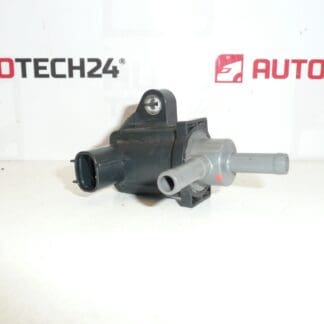
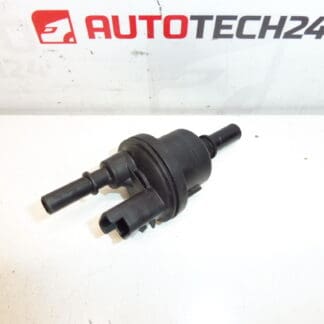
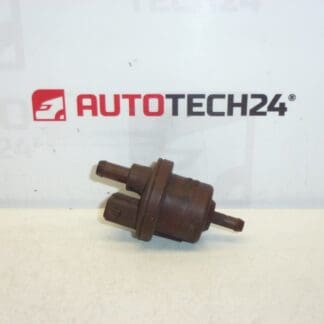
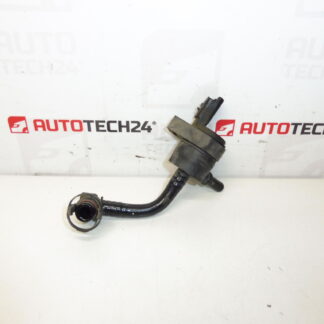
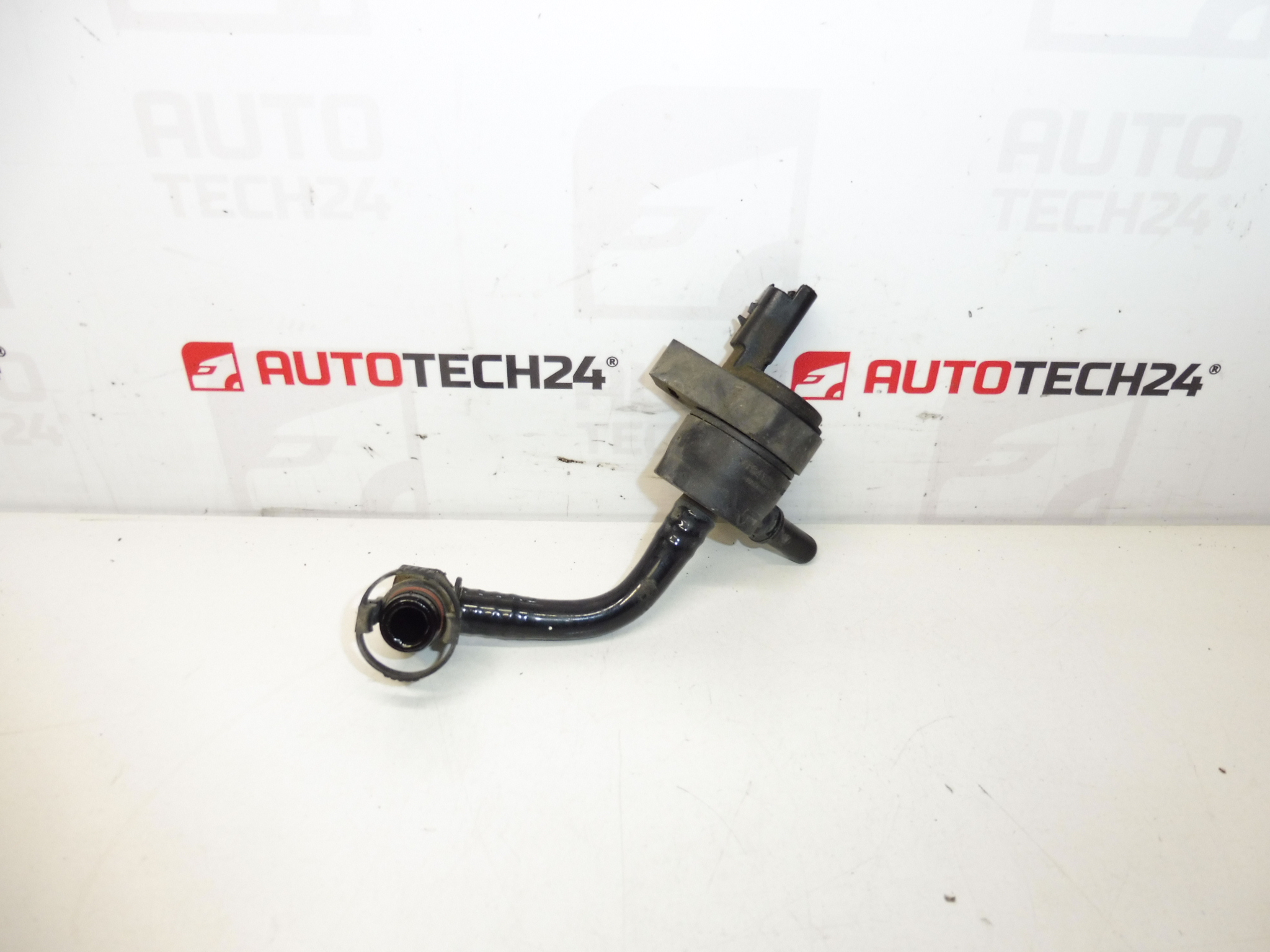
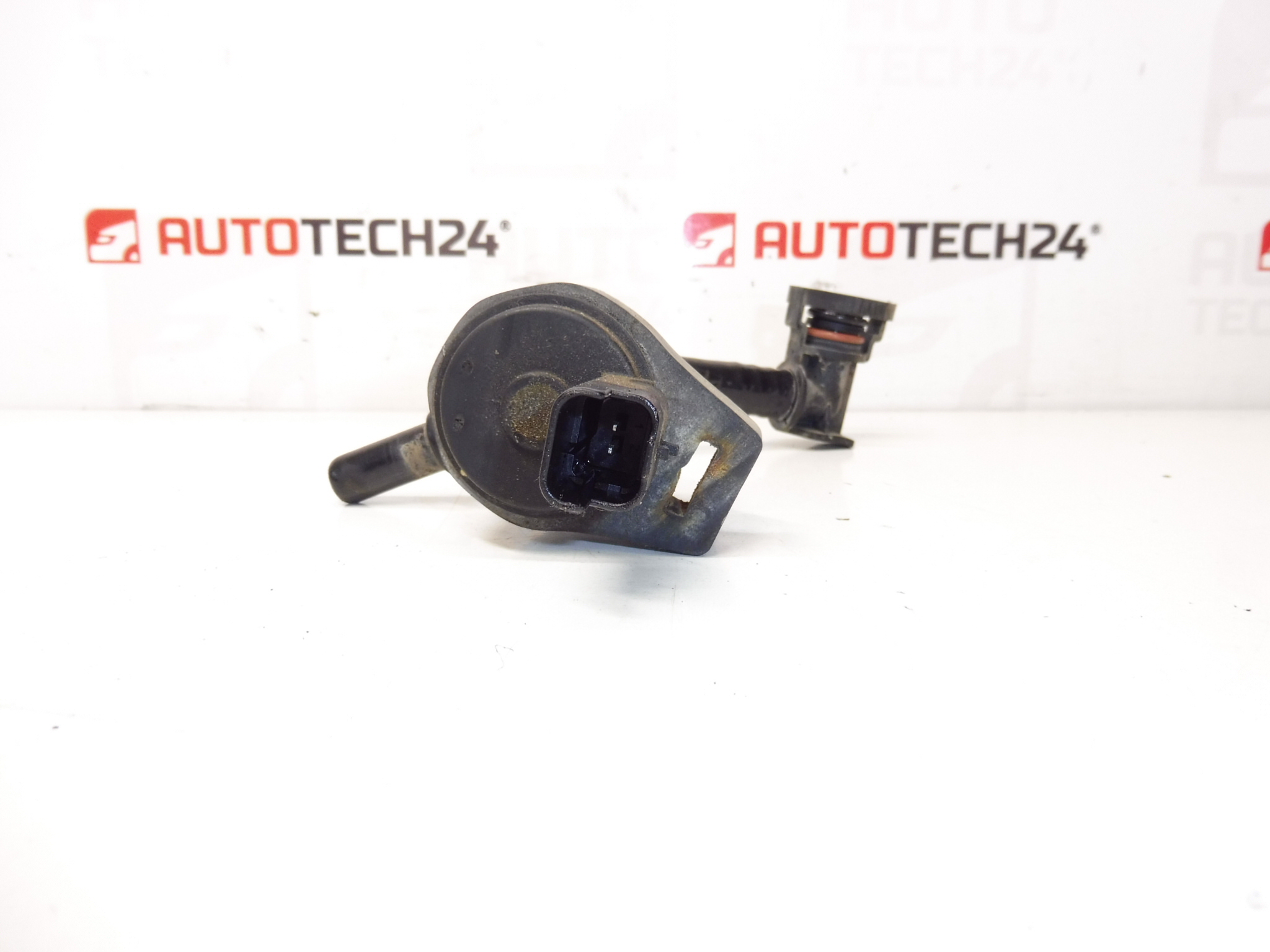
Electromagnetic VALEO valve, fuel vapor absorber for active charcoal.
High-quality purge solenoid specifically designed for the EVAP system on many Citroën and Peugeot petrol engines (1.4 VTi / 1.6 VTi). The valve controls the flow of fuel vapors from the charcoal canister to the intake tract, helping the engine burn stored hydrocarbon vapors and maintain correct evaporative emissions performance. This replacement unit fits vehicles that commonly use part references V754196180-03, 1563L6 or 1502K2 and is a direct-fit for affected models.
Key Benefits
Reliable operation of the evaporative purge system. Restores proper purge control for smoother idle, improved drivability and correct emissions behavior. Ideal for workshops and DIY mechanics who need a fast replacement with known product codes. Compatible with common connectors and vacuum fittings used on PSA petrol engines.
Technical Information
- Manufacturer: Valeo
- Model: Citroën C3 Picasso; Citroën C4 II; DS3; DS4; Peugeot 207; Peugeot 308
- Product Codes: V754196180-03; 1563L6; 1502K2
- Other Numbers: V754196180 1563L6 1502K2 (alternative references commonly used in parts lists)
Function
The purge solenoid (canister purge valve) is an electrically actuated valve that meters the flow of fuel vapors from the charcoal canister into the intake manifold. The engine management unit opens the valve under specific conditions to purge collected vapors and reduce evaporative emissions. Proper operation prevents fuel odor, incorrect air/fuel ratio and related fault codes.
Common Symptoms Of Failure
- Illuminated check engine light with EVAP-related fault codes (commonly P0441, P0446 or similar).
- Rough idle, hesitation or poor drivability during light-load conditions.
- Strong fuel smell around the vehicle or failed emissions test.
- Reduced fuel economy or intermittent surging when the valve sticks open or closed.
Why This Part Typically Fails
Failures are usually caused by contamination and age rather than impact damage. Common causes include:
- Carbon buildup and contamination from fuel vapors that cause the valve to stick.
- Electrical failure of the solenoid coil or internal contacts due to heat or moisture infiltration.
- Cracked or brittle vacuum hoses and seals that lead to leaks and incorrect purge operation.
- Corroded connector pins or damaged wiring in under-hood environments.
Replacement And Installation Recommendations
Replacing the purge valve is a straightforward repair for a trained technician or competent DIYer. Typical steps:
- Park the vehicle on a level surface and ensure the engine is cool.
- Disconnect the negative battery terminal if required by the vehicle service instructions.
- Locate the valve — usually mounted near the charcoal canister, intake manifold or along the EVAP plumbing.
- Disconnect the electrical connector and remove vacuum hoses. Inspect hoses and clips and replace if brittle or corroded.
- Remove retaining clip or fasteners and swap the valve. Fit new seals or O-rings if supplied.
- Reconnect vacuum hoses and electrical connector, clear any stored fault codes and verify correct operation during a short road test.
Recommendation: Replace any perished vacuum lines and electrical clips when installing the new valve. After installation, confirm that related fault codes are cleared and do not return under normal conditions.
Fitment Notes
Intended for Citroën and Peugeot petrol engines with 1.4 VTi and 1.6 VTi specifications where the listed product codes appear in parts catalogs. Always match the part codes (V754196180-03, 1563L6, 1502K2) with the vehicle’s parts list for a direct-fit replacement.
Diagnostics Tips
- Use a scan tool to read EVAP-related fault codes and to actuate the valve for bench testing where possible.
- Listen for a distinct click when the valve is commanded; no sound may indicate an electrical fault.
- Check vacuum hoses and canister connections before replacing the valve to avoid repeating the repair.
Packaging And Identification
Supplied with manufacturer reference markings. Verify the numbers stamped or printed on the body match the required references for easy identification in parts catalogs and workshop systems.