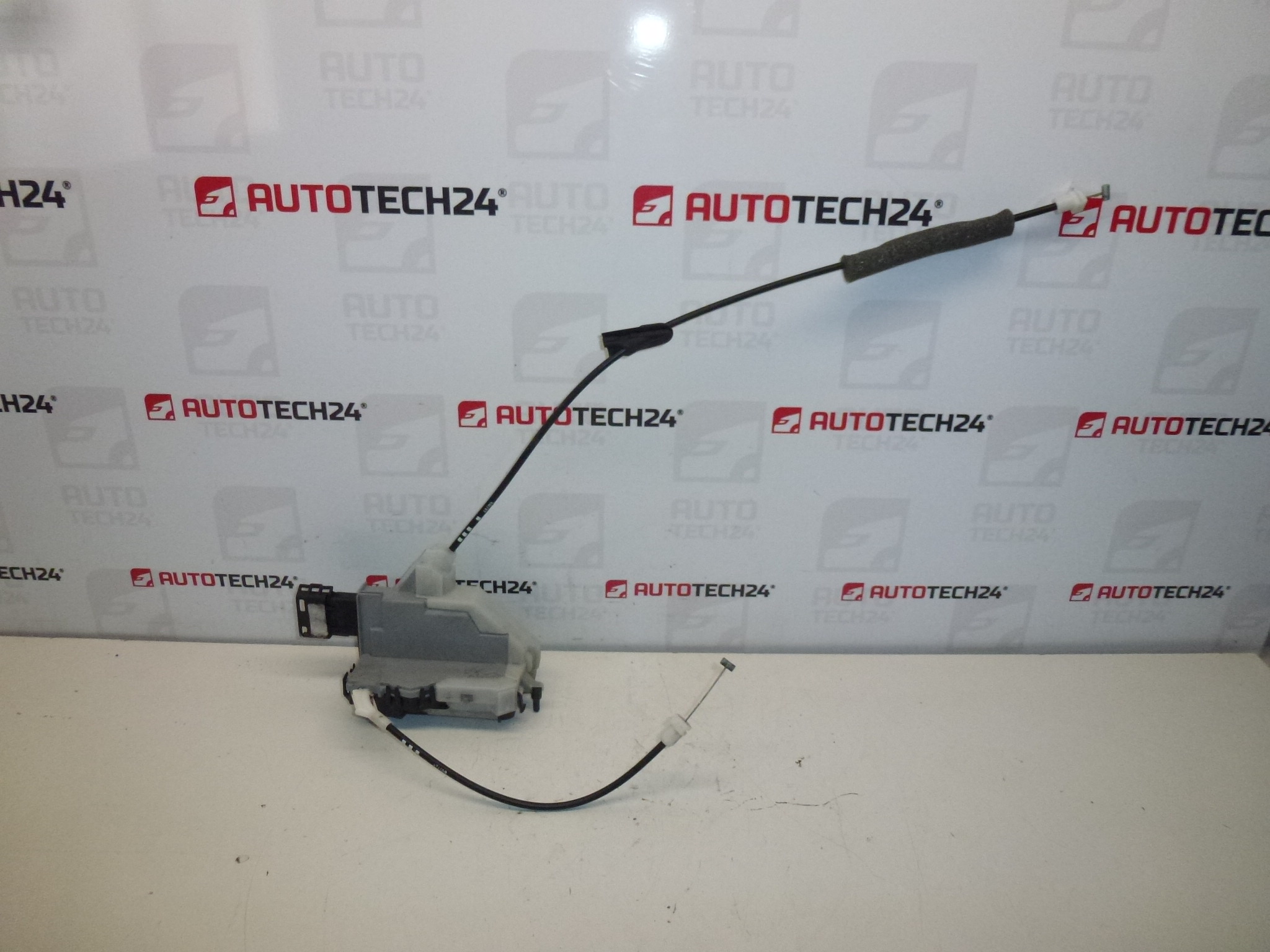
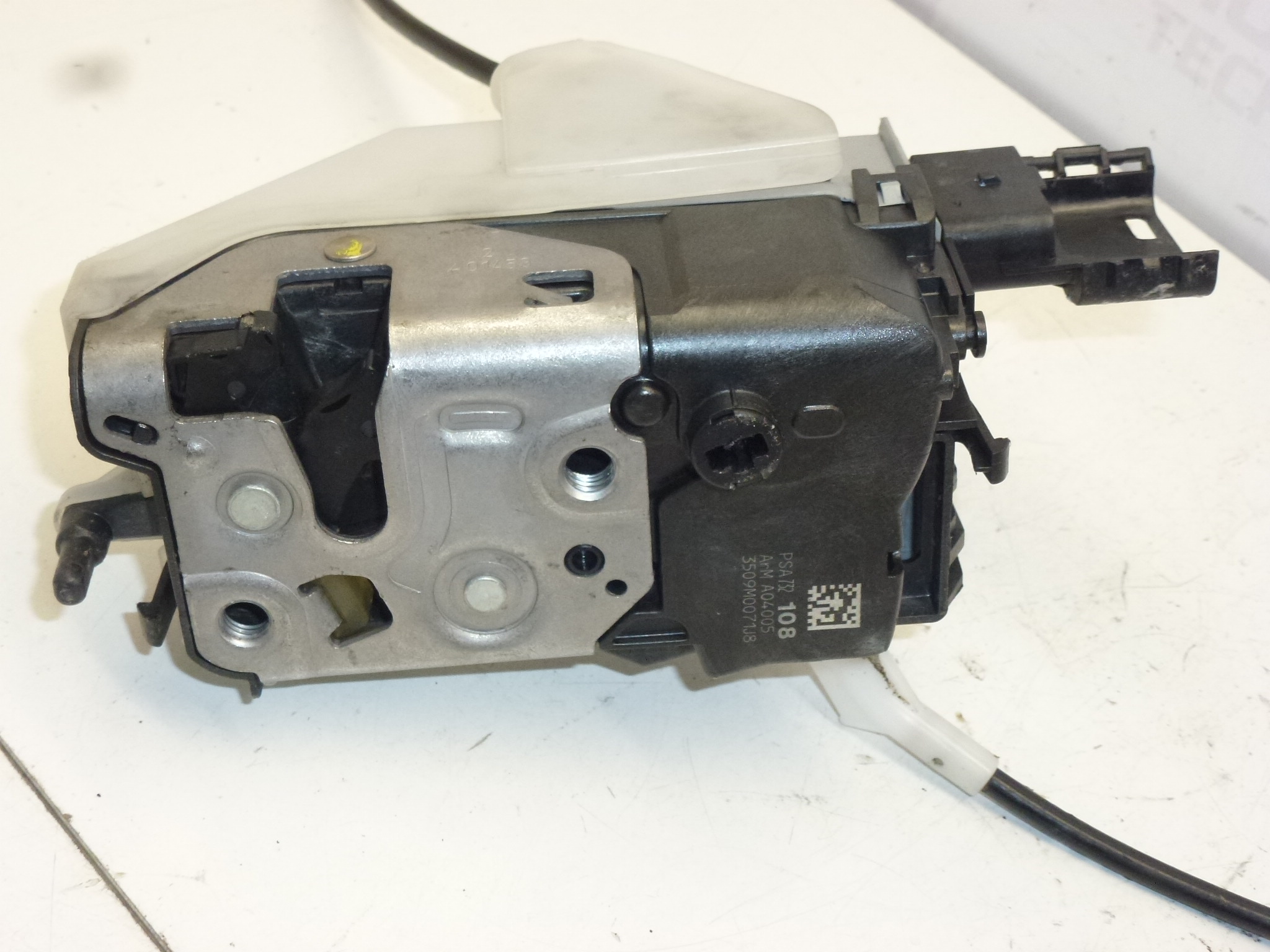
Description
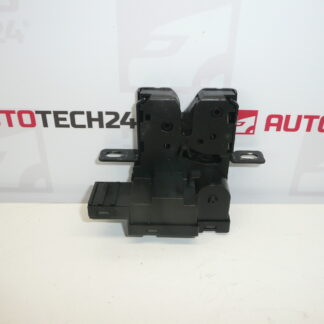
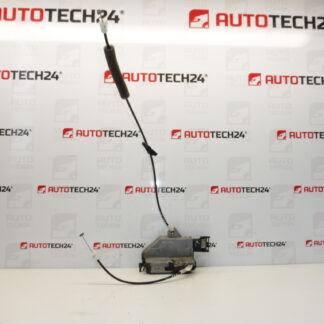
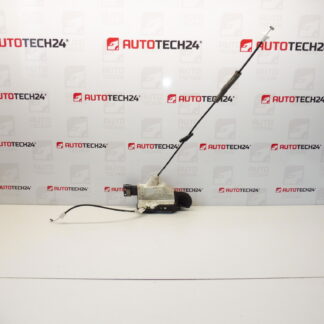
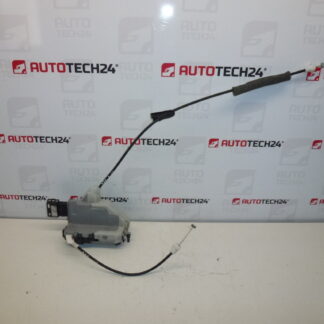
Electric central locking lock for the left rear door for PEUGEOT 308 vehicles. Door located behind the driver.
Product Overview
This electric central locking lock (left rear door) is a direct-replacement component intended for Peugeot 308 models. It restores reliable locking and unlocking via the vehicle’s central locking system and secures the door latch when closed. Commonly searched by product numbers, this part is ideal for professional mechanics and experienced DIYers who need a dependable OEM-compatible lock with known reference codes.
Key benefits:
- Direct fit for Peugeot 308 left rear door applications
- Restores central locking function and mechanical door security
- Saves installation time through OEM-style connections and mounting points
Technical Information
- Manufacturer: Stellantis / Peugeot
- Model: Peugeot 308 (Left Rear Door)
- Product Codes: 732108, 9137V0, 9137.V0
- Other Numbers: 9800617580
Recommended Installation
Intended For: Professional fitment by auto technicians or competent DIYers with experience in door trim removal and central locking systems.
- Prepare Tools: Trim tools, Torx/screwdrivers, socket set, pliers and a multimeter for basic checks.
- Safety First: Disconnect the negative battery terminal before starting to avoid short circuits and accidental airbag deployment.
- Remove Door Trim: Carefully unclip and remove the interior door panel to access the lock assembly and linkages.
- Disconnect Electrical Connector: Unplug the actuator’s electrical connector and detach control rods/linkages from the latch mechanism.
- Remove Lock Assembly: Unscrew the mounting bolts/screws and extract the lock from the door shell. Compare old and new units to confirm fitment.
- Install New Unit: Fit the new lock, secure fasteners, reconnect rods and the electrical connector. Ensure linkages move freely without binding.
- Function Check: Reconnect the battery, test central locking operation, remote locking/unlocking, and manual door opening/closing before reassembling the door trim.
- Final Assembly: Refit the door panel and all trim, and perform a final functional test.
Why This Part Fails Most Often
Common failure causes include:
- Water Ingress and Corrosion: Moisture entering the door can corrode electrical contacts and mechanical components.
- Worn Internal Gears or Motor: Plastic gears inside the actuator can wear or strip over time, or the small motor may fail.
- Damaged Linkages: Bent, disconnected, or seized rods and clips cause incomplete operation or prevent locking.
- Connector and Wiring Issues: Oxidized connectors or damaged wiring can interrupt the electrical signal from the central locking module.
- Mechanical Wear: Repeated use and impact can degrade latch components, preventing proper engagement.