Description
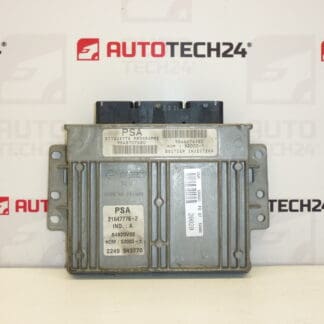
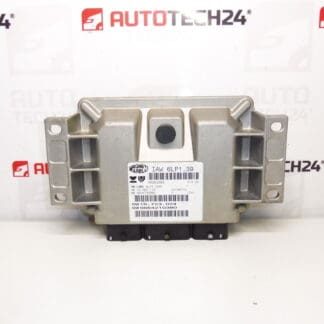
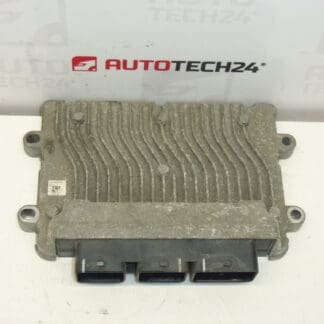
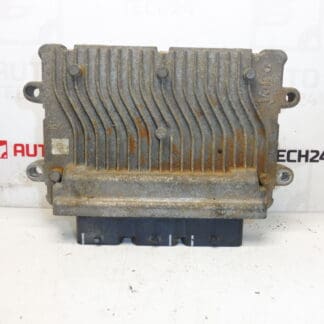
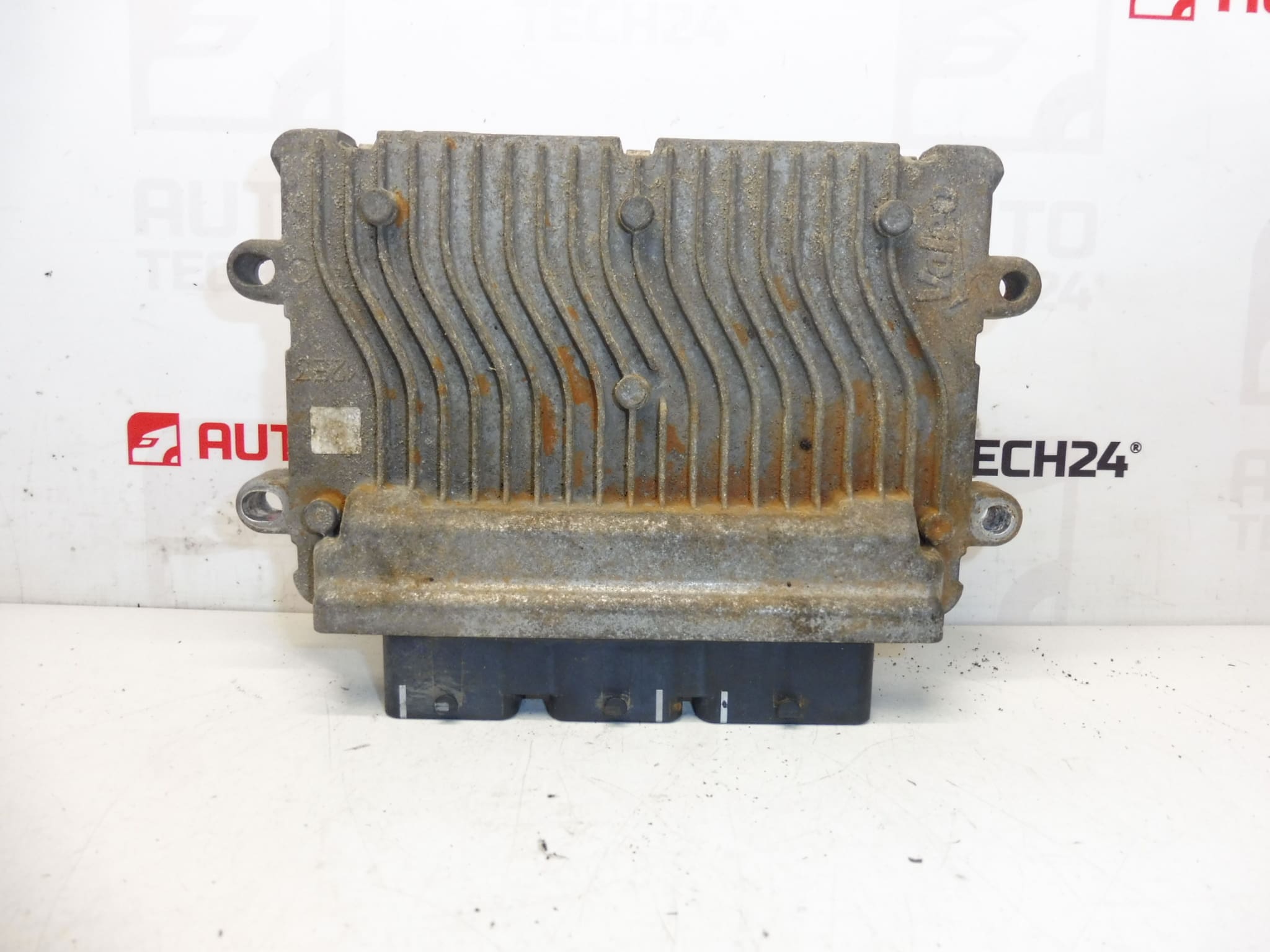
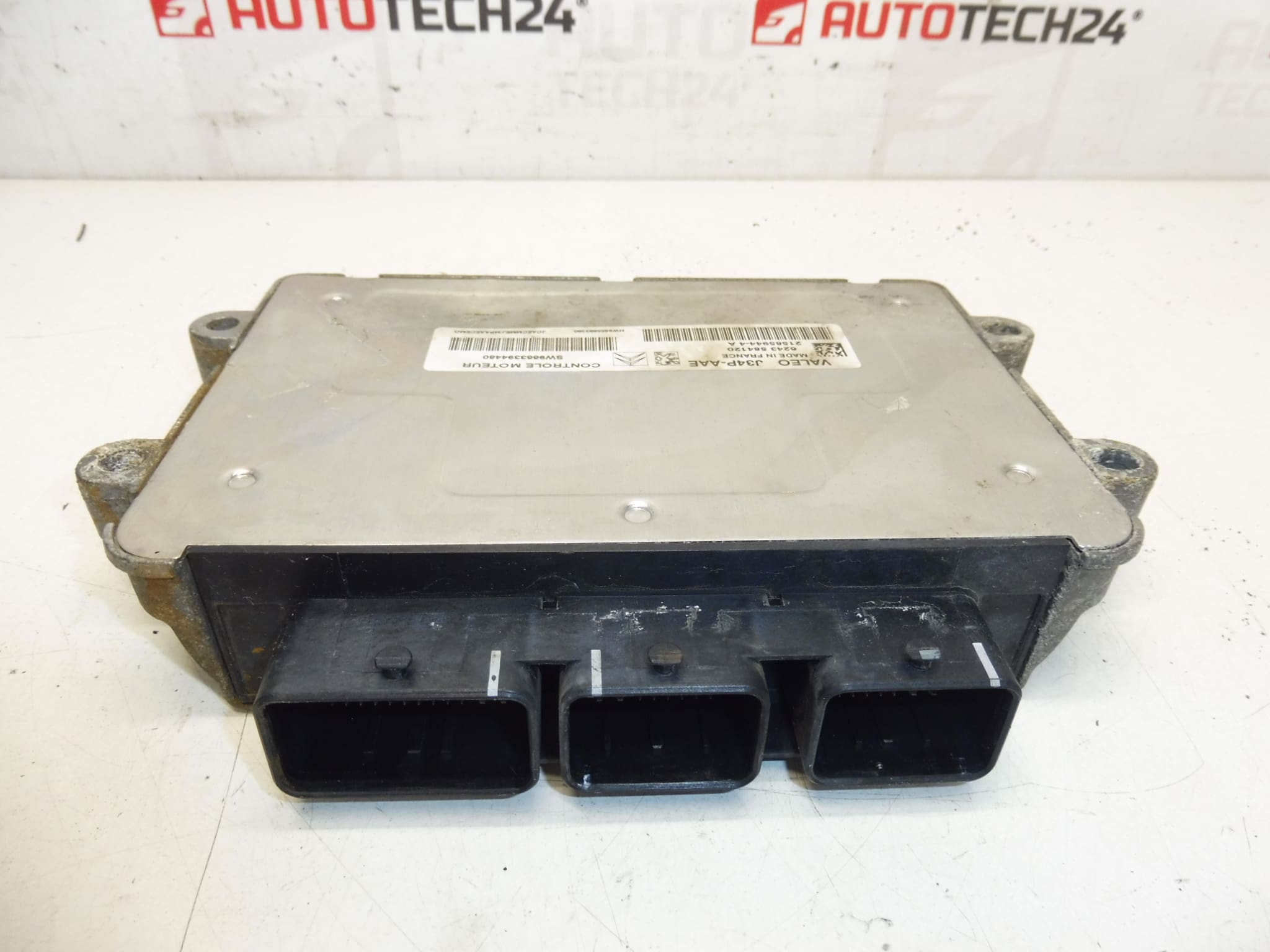
Engine injection control unit JOHNSON CONTROLS J34P for CITROËN and PEUGEOT vehicles. Removed from a PEUGEOT 206 (2006) 1.4 55 kW, engine code KFW.
This injection ECU (J34P) is a direct-fit electronic control unit designed for petrol engines in the PSA group. Ideal for professional workshops and experienced DIYers, this unit is commonly sought under the original part numbers listed below and is suitable for vehicles using the J34P hardware and software platform. Replacing a faulty ECU restores correct fuel injection timing, ignition control and overall engine management, eliminating symptoms such as rough idle, stalling or loss of power.
How It Works
The engine control unit (ECU) monitors inputs from sensors (mass airflow, crankshaft position, coolant temperature, oxygen sensors, etc.) and controls fuel injectors, ignition timing and other actuators to optimize combustion. The J34P family handles injection strategies, limp-home modes and fault diagnostics via the vehicle’s on-board diagnostics.
Compatibility and Fitment
Known Fitment: Peugeot 206 (2006) 1.4 55 kW, Engine Code KFW. This unit is referenced by multiple part numbers and may be used across various Citroën and Peugeot applications that share the J34P ECU variant—check the listed product codes against your vehicle’s documentation or parts catalog before ordering.
Technical Information
- Manufacturer: Johnson Controls (as reported; unit may appear in listings with other suppliers)
- Model: J34P
- Product Codes: 9655883280, 9663394480
- Other Numbers: 194222, 1943PE, NFP
Installation Recommendations
- Always disconnect the battery before starting work to avoid electrical damage to the ECU.
- Ensure all connector pins are clean and undamaged; use dielectric grease on connectors if appropriate to prevent corrosion.
- Mount the unit with the correct torque on fasteners and avoid excessive bending or stress on the housing and connectors.
- Retain any shielding or heat protection present on the original unit to prevent thermal-related faults.
Installation and Coding – Important
– The unit is used and is paired with the original vehicle (VIN/PIN/keys).
– Options to commission the unit:
1) Cloning data from the old unit (EEPROM/Flash) – after cloning the unit is plug and play.
2) Virginization and subsequent initialization/telecoding via DiagBox (or online) + key adaptation.
– Recommended to be performed by a specialist with PSA service equipment (DiagBox/Lexia/PP2000).
– Before removal/installation always disconnect the battery and follow the manufacturer’s procedure to avoid damaging the unit.
Replacement Procedure (Overview)
- Locate ECU (commonly mounted in the engine bay or behind protective covers). Remove necessary trim or brackets to access the unit.
- Disconnect the battery, then unplug connectors from the ECU. Release any locking tabs carefully to prevent broken clips.
- Remove mounting bolts and extract the ECU. If transferring immobilizer-related components or brackets, note orientation and connections.
- Install the replacement unit, reconnect all connectors and battery, then perform cloning or coding as required (see coding instructions above).
Common Failure Causes
ECUs of this type most frequently fail due to moisture ingress and corrosion, thermal stress causing cracked solder joints, electrical surges (faulty alternator or jump-starting), or mechanical damage to connector pins. Symptoms include engine misfires, poor idle, stalling, inability to start, and persistent fault codes. Regular inspection of wiring harnesses, securing of connectors and ensuring a healthy charging system reduce the risk of ECU failure.
What To Expect After Replacement
Once installed and correctly cloned or coded, the replacement ECU should restore normal engine management. Depending on the commissioning method used, key adaptation or immobilizer initialization may be required before the vehicle starts or runs without faults.