Description
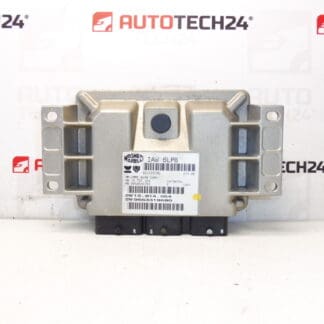
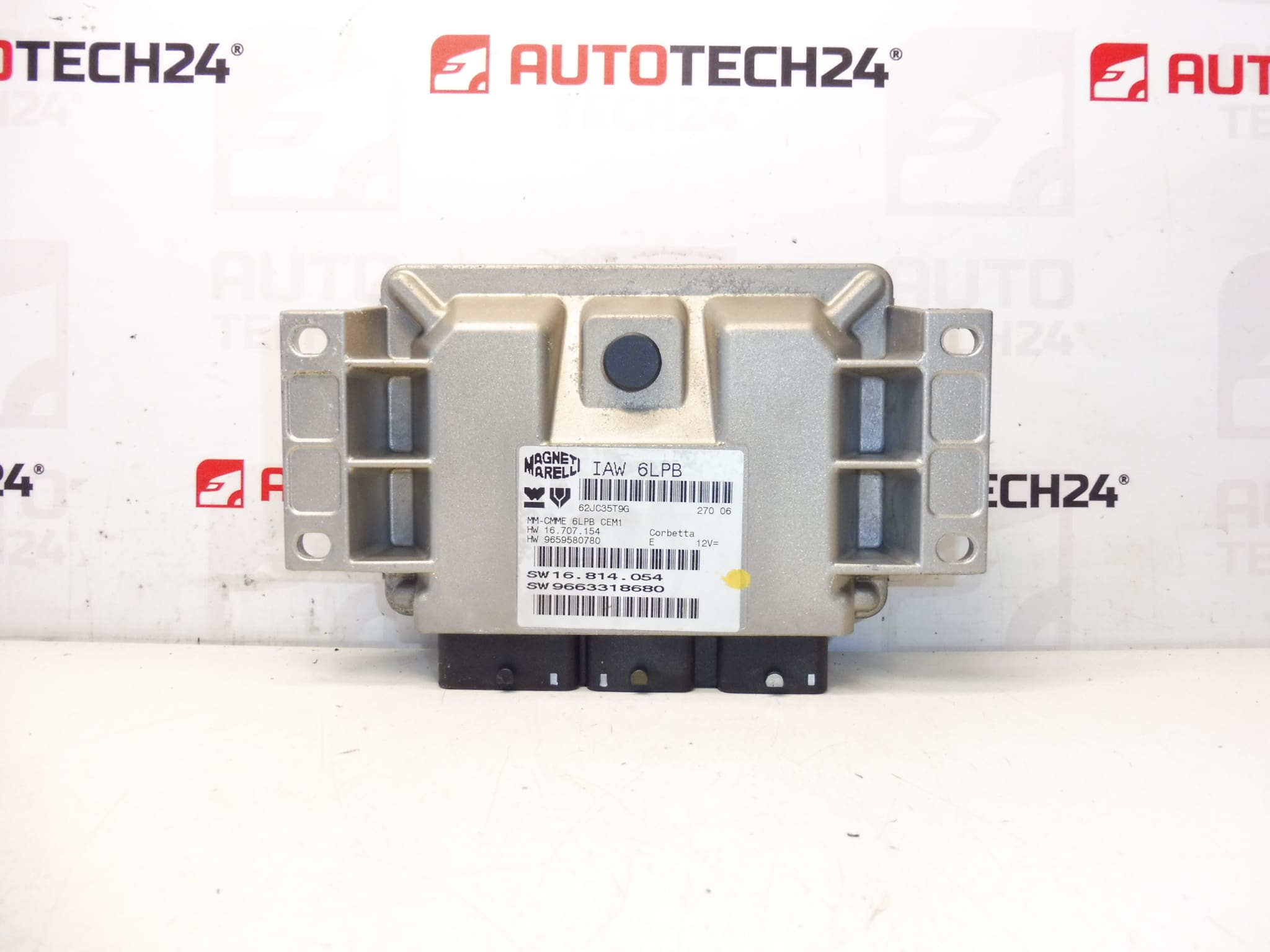
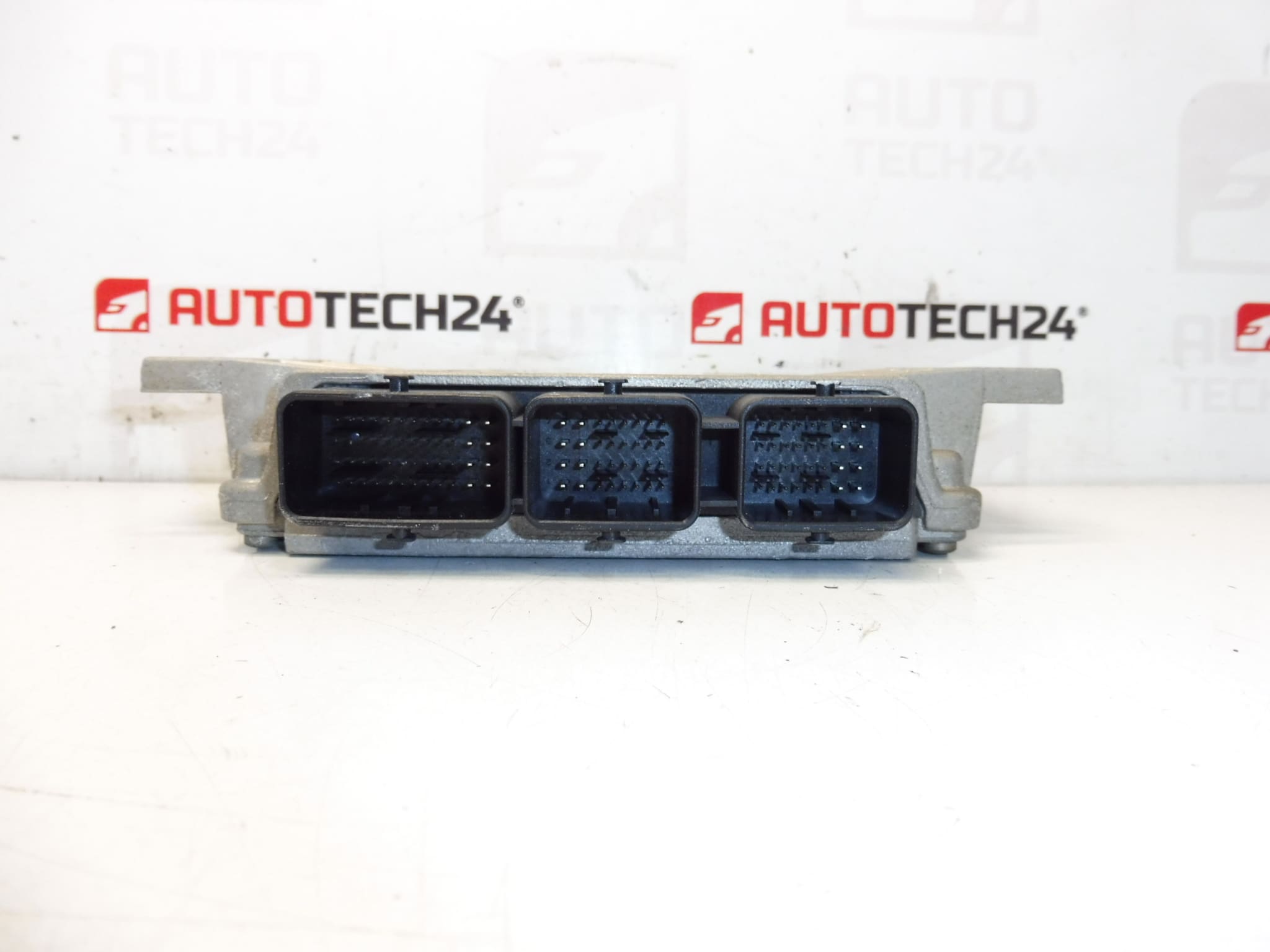
Magneti Marelli IAW 6LPB Engine Control Unit for Citroën and Peugeot vehicles
This Magneti Marelli IAW 6LPB ECU is compatible with a range of Stellantis petrol engines used in Citroën and Peugeot models and is frequently searched by its OEM reference numbers 9663318680, 9659580780, 1942ZN and 1942ZP. Designed for professional workshops and experienced DIYers, the unit controls fuel injection, ignition timing and related engine management functions to ensure smooth running, optimal emissions and fuel economy. Typical searches use the part numbers or vehicle model names (Citroën C5, Peugeot 307, Peugeot 407), so this listing includes those references for fast findability.
Technical Information
- Manufacturer: Magneti Marelli
- Model: IAW 6LPB
- Product Codes: 9663318680, 9659580780
- Additional Numbers: 1942ZN, 1942ZP
Applications
- Citroën C5 (compatible with vehicles using IAW 6LPB ECU)
- Peugeot 307 (compatible with vehicles using IAW 6LPB ECU)
- Peugeot 407 (compatible with vehicles using IAW 6LPB ECU)
Function and Common Faults
The IAW 6LPB is an engine control unit responsible for managing fuel injection, ignition timing, idle control and diagnostics (OBD). It processes sensor signals (MAP/MAF, crankshaft/cam sensors, temperature, oxygen sensors) and controls actuators (injectors, ignition coils, idle control valve) to maintain engine performance and emissions. Common reasons for ECU malfunction include water ingress, connector corrosion, thermal stress and damaged solder joints, voltage spikes or software/EEPROM corruption. Faults can present as no-start, rough idle, stalling, misfires, or error codes logged in the vehicle fault memory.
Replacement Procedure
- Park the vehicle on a level surface, engage the parking brake and disconnect the negative battery terminal.
- Locate the ECU (position varies by model: often in the engine bay or behind the glovebox/dashboard). Consult vehicle repair manual for exact location.
- Remove any covers, unplug electrical connectors by pressing release tabs, and unbolt the unit. Handle connectors and locking tabs carefully to avoid damage.
- Install the replacement ECU, secure mounting bolts and reconnect connectors. Ensure connector pins and gaskets are clean and undamaged.
- Perform required commissioning: cloning or programming/initialization (see Installation and Coding – Important below).
- Reconnect the battery and verify vehicle starts and runs; clear fault codes and perform a benchmark test drive while monitoring live data with a diagnostic tool.
Installation Recommendations
- Always disconnect the battery before removing or fitting the ECU to prevent damage.
- Observe electrostatic discharge (ESD) precautions and avoid touching connector pins and circuit board areas.
- Inspect wiring harness and connector seals for corrosion or water damage; repair or replace if necessary to prevent repeat failures.
- Use an appropriate PSA diagnostic or programming tool for initialization, key adaptation and coding where required.
- After fitting, clear fault codes and verify inputs/outputs with live data to confirm correct operation.
Installation and Coding – Important
- The unit is used and is ‘paired’ with the original vehicle (VIN/PIN/keys).
- Options for commissioning:
- Cloning data from the old unit (EEPROM/Flash) – after cloning the unit is plug and play.
- Virginization and subsequent initialization/telecoding via DiagBox (or online) + key adaptation.
- Recommended to be performed by a specialist with PSA service equipment (DiagBox/Lexia/PP2000).
- Before removal/installation always disconnect the battery and follow the manufacturer’s procedure to avoid damage to the unit.
Why This Part Fails Most Often
Failures are most commonly caused by environmental and electrical factors: moisture or water ingress (especially after leaks or flooding), corrosion of connector pins, thermal cycling that weakens solder joints, and voltage surges from a failing alternator or jump-starts. Connector damage, poor grounding and previous improper repairs can also lead to intermittent faults or permanent ECU failure.