Description
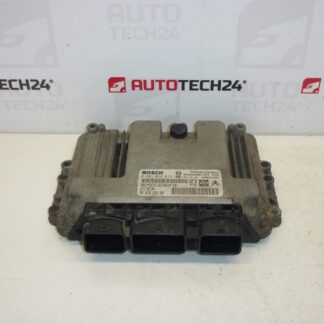
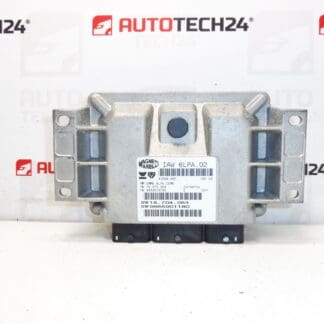
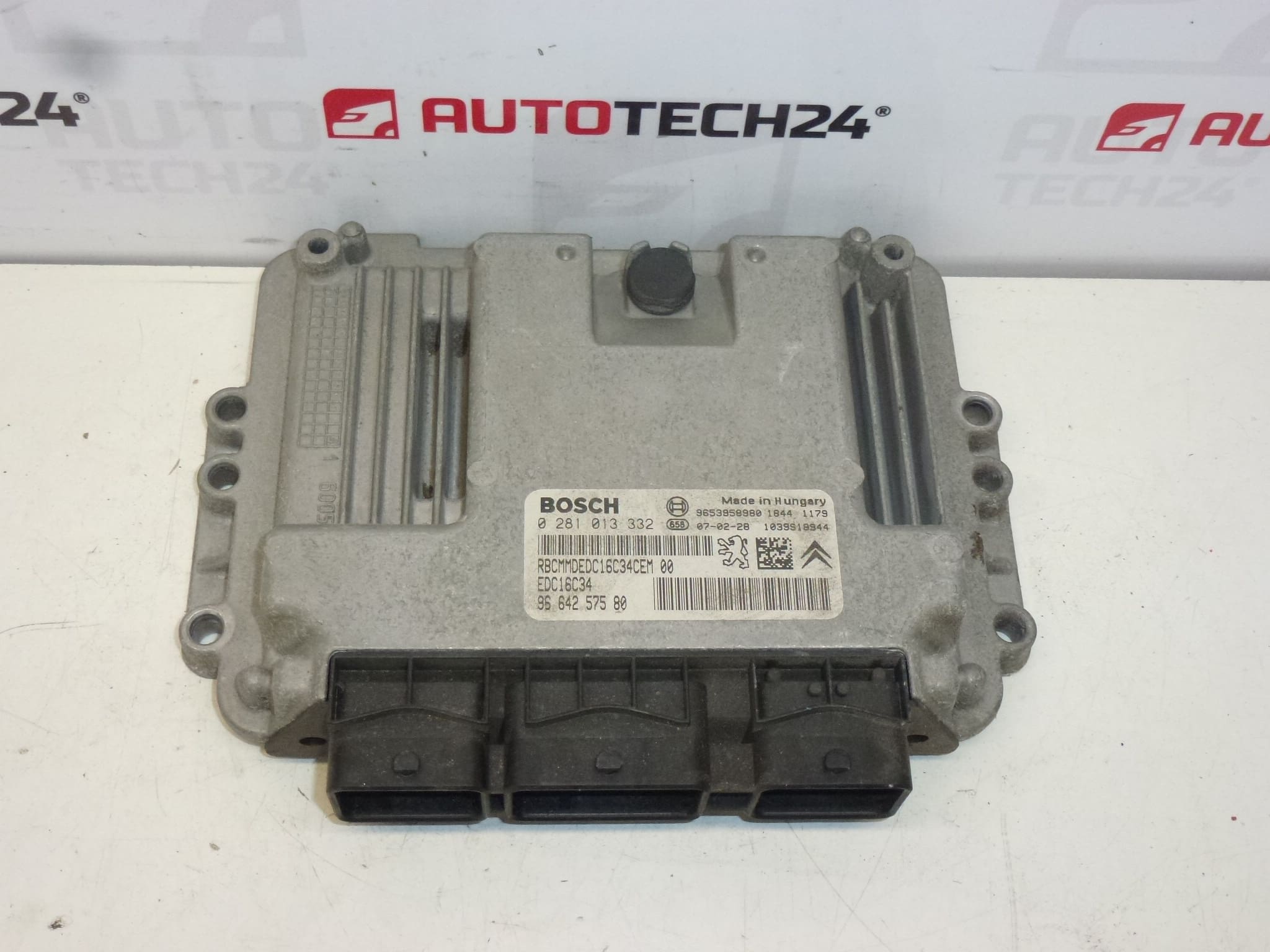
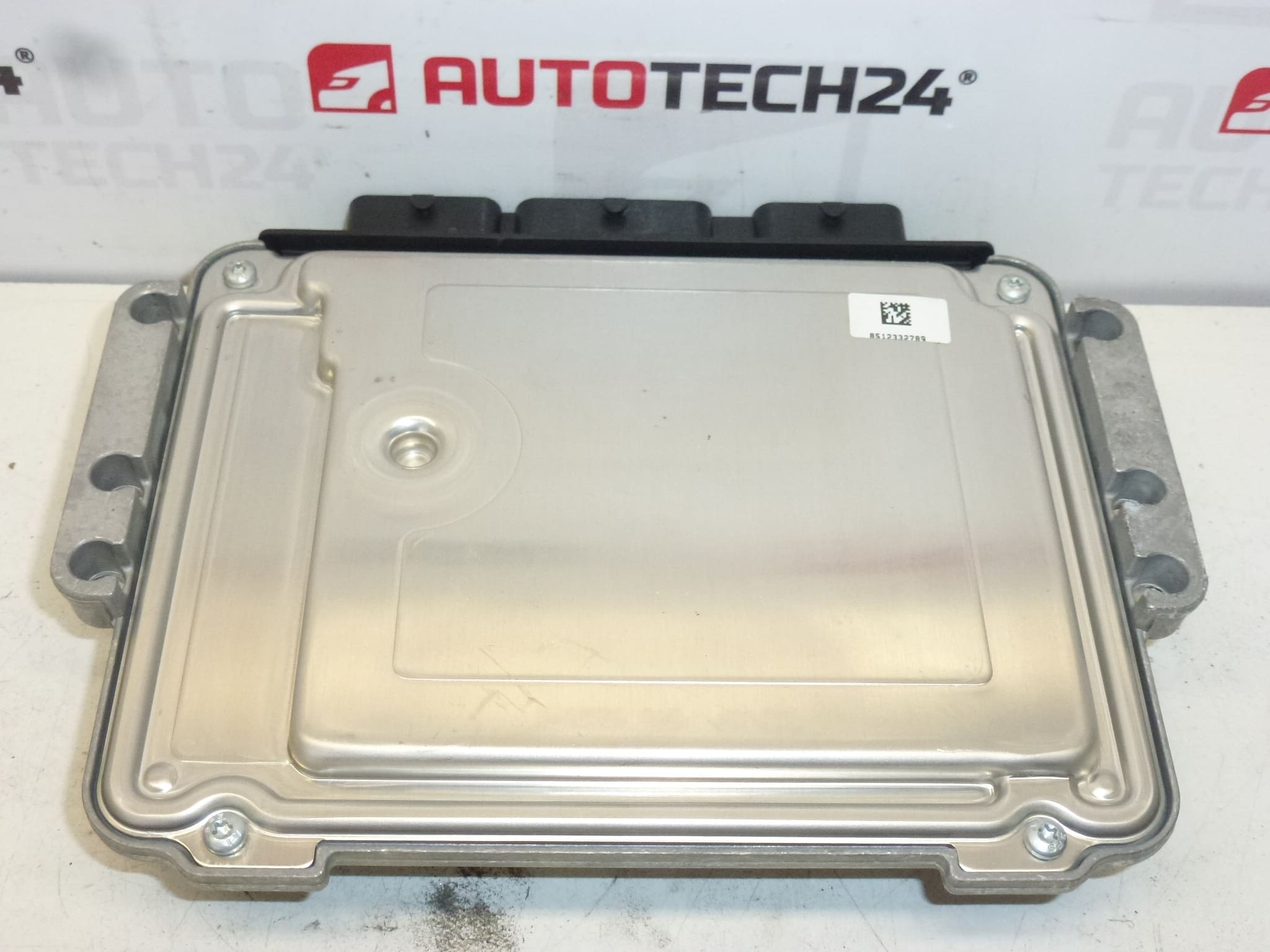
Bosch control unit for 1.6 HDi engines for Citroën and Peugeot vehicles.
Product Description
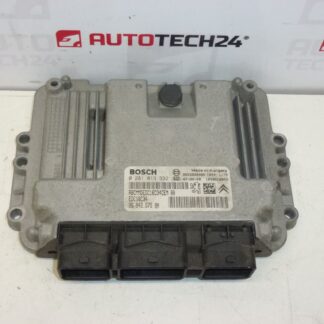
This Bosch EDC16C34 engine control unit (ECU) with reference 0281013332 is designed for 1.6 HDi diesel engines used on many Citroën and Peugeot models. The unit manages fuel injection, turbocharging control, and emission systems to ensure optimal engine performance and fuel economy. Ideal for professional workshops and experienced DIY mechanics searching by part number (0281013332, 9664257580), this ECU is compatible with popular models such as Citroën C4 and Peugeot 307 / 407 fitted with 1.6 HDi engines.
Technical Information
- Manufacturer: Bosch
- Model: EDC16C34
- Product Codes: 0281013332, 9664257580, 9653958980, 1677624580
- Additional Numbers: 1942NZ, 1942PF, 1942NX, 1942NY, 1939AL, 1943NW
Compatibility
Commonly fitted to vehicles equipped with 1.6 HDi diesel engines. Typical compatible models include:
Function And Typical Failure Modes
The ECU (Electronic Control Unit) is the central processor that controls injection timing, quantity, turbocharger control, EGR management and related emission controls. When functioning correctly it optimizes power delivery and fuel consumption and manages fault diagnostics (DTCs).
Most Common Causes Of Failure:
- Electrical Stress: Voltage spikes, poor grounding or intermittent power can damage internal electronics.
- Moisture And Corrosion: Water ingress or corrosion on connectors causes intermittent faults or permanent failure.
- Thermal Cycling: Repeated heating and cooling over many years can degrade solder joints and components.
- External Component Failure: Faulty injectors, glow plugs, sensors or short circuits can overload the ECU.
- Physical Damage: Impact or incorrect handling during removal/installation.
Replacement Procedure
Only fit the unit if you have the appropriate mechanical skills and diagnostic tools. Typical replacement steps:
- Ensure The Vehicle Is Secure And Parked On A Level Surface.
- Disconnect The Battery Negative Terminal And Wait A Few Minutes To Avoid Short Circuits.
- Locate The ECU (Refer To Vehicle Repair Manual For Exact Location).
- Disconnect All Electrical Connectors Carefully, Releasing Any Retaining Clips.
- Remove Mounting Bolts And Extract The Old Unit.
- Fit The Replacement Unit, Secure Mounting Bolts And Reconnect All Connectors Firmly.
- Perform Cloning Or Coding As Required (See Installation And Coding Section Below).
- Reconnect The Battery And Verify Proper Operation Using A Diagnostic Tool.
Installation And Coding – Important
- The Unit Is Used And Is “Paired” With The Original Vehicle (VIN/PIN/Keys).
- Options For Commissioning:
- 1) Cloning Data From The Old Unit (EEPROM/Flash) – After Cloning The Unit Is Plug And Play.
- 2) Virginization And Subsequent Initialization/Telecoding Via DiagBox (Or Online) + Key Adaptation.
- Recommended To Be Carried Out By A Professional With PSA Service Equipment (DiagBox/Lexia/PP2000).
- Always Disconnect The Battery Before Removal/Installation And Follow Manufacturer Procedures To Avoid Damaging The Unit.
Installation Recommendations
- Check Connector Pins For Corrosion Or Bent Pins Before Fitting.
- Replace Any Damaged Seals Or Mounting Hardware To Prevent Moisture Ingress.
- Use A Quality Diagnostic Tool To Clear Fault Codes And Verify Sensor Signals After Installation.
- When Possible, Clone EEPROM/Flash From The Original Unit To Preserve Immobilizer And Adaptation Data.
Why This Part Is Often Replaced
ECUs are frequently replaced when persistent engine management errors occur, such as refusal to start, loss of power, engine stalling, or multiple emission-related fault codes that cannot be resolved by replacing sensors alone. Many failures are secondary to electrical problems (bad battery, poor grounding) or water damage; addressing these root causes helps prevent repeat failures.
Keywords For Search
ECU Bosch EDC16C34, 0281013332, 9664257580, 1.6 HDi ECU, Citroën ECU, Peugeot ECU, Engine Control Unit, Diesel ECU, Cloning, DiagBox