Description
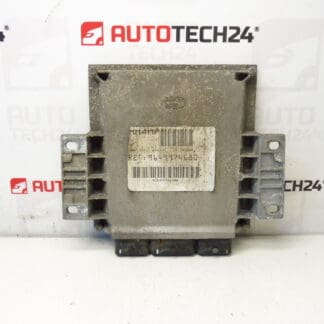
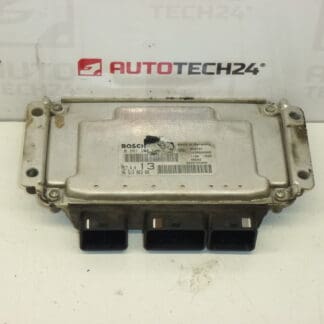
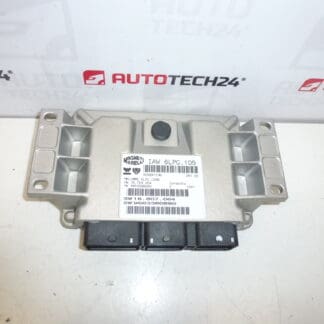
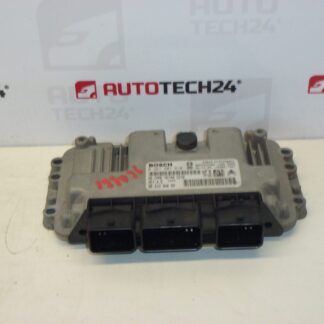
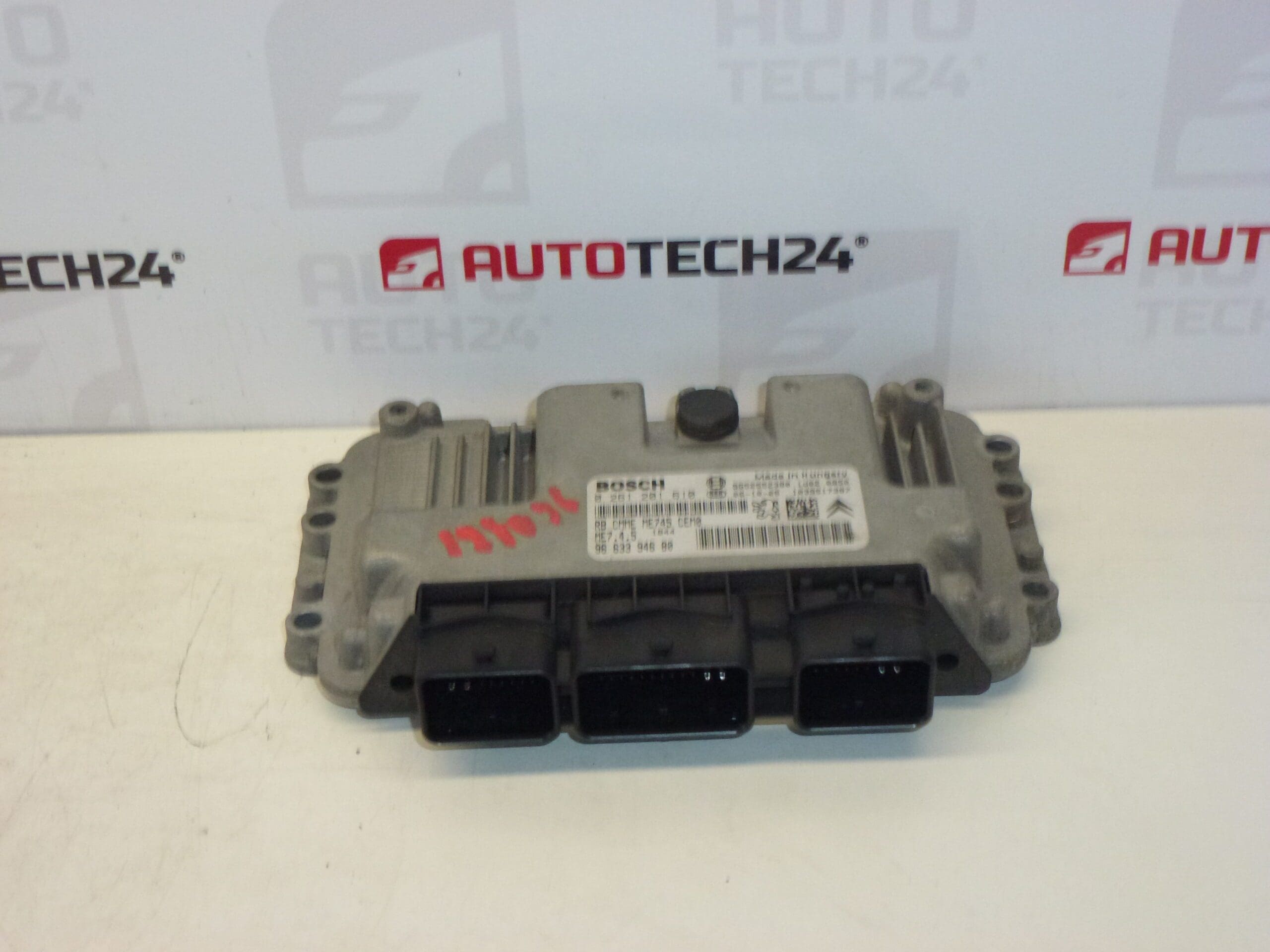
Engine control unit Bosch ME7.4.5 for Peugeot 307 1.6 16V
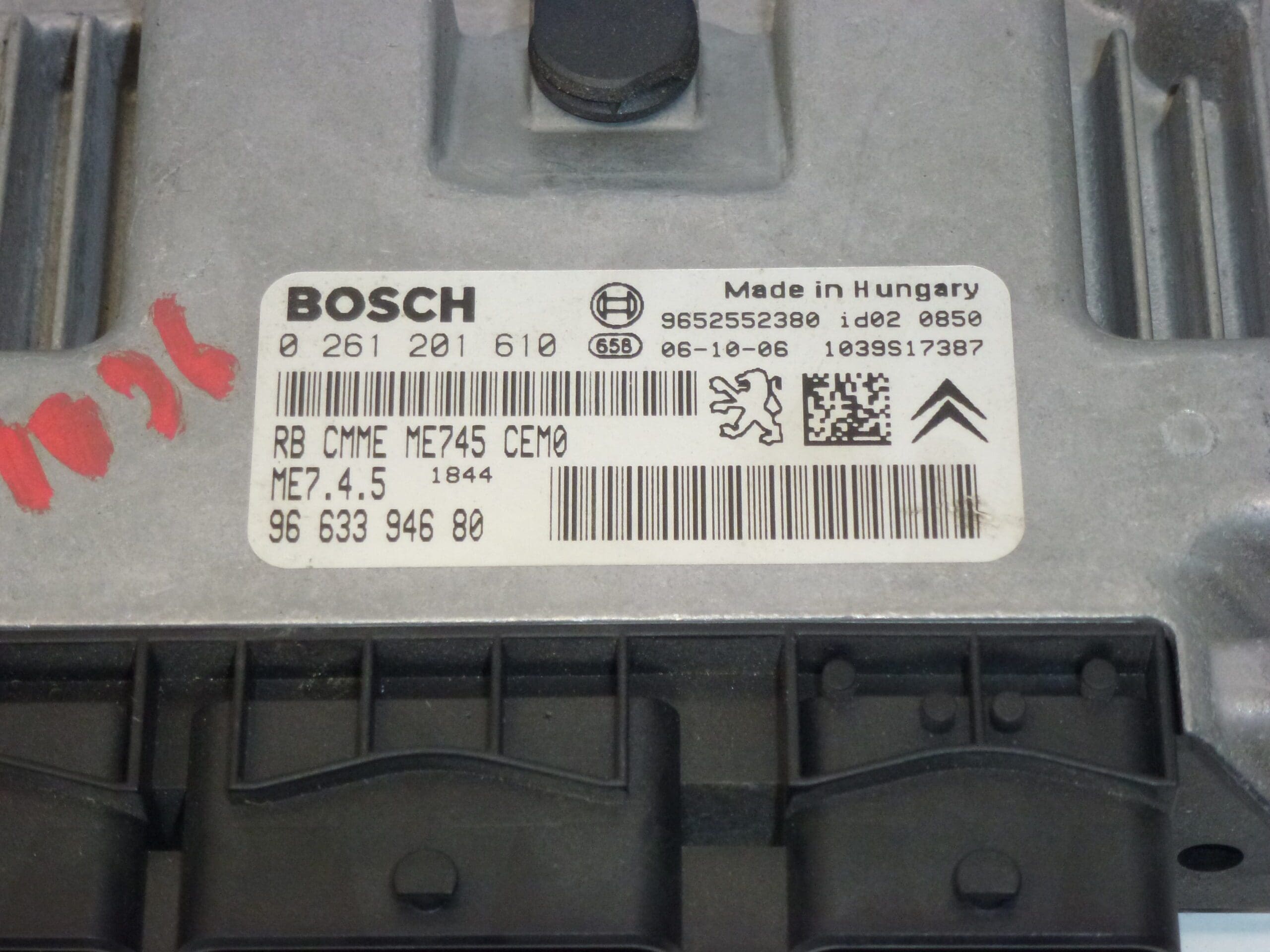
Direct-fit Engine Control Unit (ECU) Bosch ME7.4.5 suitable for Peugeot 307 1.6 16V. Frequently searched under part numbers 0261201610, 9663394680, 9652552380 and reference 194096, this ECU manages fuel injection, ignition timing and emission-related functions to ensure smooth idle, reliable acceleration and stable engine operation. Ideal for professional workshops and competent DIY mechanics who need a precise replacement control module to restore drivability and system diagnostics.
Function And Symptoms
The Bosch ME7.4.5 is the engine management unit that controls injector timing, ignition advance, fuel trims and interactions with sensors such as MAF, MAP, crankshaft position and oxygen sensors. Typical symptoms of a failing ECU include intermittent or persistent misfires, rough idle, stalling, limp mode activation, poor fuel economy and fault codes stored in the engine control system. Some failures may also prevent the engine from starting.
Technical Information
- Manufacturer: Bosch
- Model: Peugeot 307 1.6 16V
- Product Codes: 0261201610, 9663394680
- Additional Numbers: 9652552380, 194096
Why The Part Fails Most Often
Common causes of ECU faults are exposure to moisture or water ingress, thermal cycling and overheating, corrosion on connector pins, electrical surges or poor battery/charging system voltages, and damage from previous incorrect installations. External failures (faulty sensors, short circuits, or wiring issues) can also manifest as ECU problems by overloading or corrupting its memory.
Replacement Procedure
General replacement steps for the Bosch ME7.4.5 on a Peugeot 307 1.6 16V:
- Disconnect the negative battery terminal and wait a few minutes to ensure capacitors discharge.
- Locate the ECU (typically in the engine bay, secured to the bulkhead or under protective covers).
- Remove any engine covers or brackets that obstruct access, then carefully unplug electrical connectors using proper terminal release technique to avoid damaging pins.
- Unbolt the control unit and remove it from its mount.
- Install the replacement unit, secure mounting bolts to the manufacturer’s torque where available, reconnect connectors and re-fit covers.
- Proceed with required cloning or initialization/coding (see Coding section below) before attempting to start the engine.
Installation Recommendations
- Always disconnect the battery before removing or fitting the ECU to avoid electrical damage.
- Protect connectors and mating surfaces from dirt and moisture; apply dielectric grease only if recommended by the vehicle service manual.
- Use original-quality connectors and ensure pin contacts are clean and undamaged.
- After installation, verify power and ground circuits and clear stored fault codes only after successful coding/cloning where required.
- Perform final checks on charging system voltage and sensor signals to prevent repeated failures.
Mounting And Coding – Important
– The unit is used and is “paired” with the original vehicle (VIN/PIN/keys).
– Options for commissioning:
1) Cloning data from the old unit (EEPROM/Flash) – after cloning the unit is plug and play.
2) Virginization and subsequent initialization/telecoding via DiagBox (or online) + key adaptation.
– Recommended to be performed by a technician with PSA service equipment (DiagBox/Lexia/PP2000).
– Before disassembly/assembly always disconnect the battery and follow the manufacturer procedure to avoid damaging the unit.
Notes For Mechanics And DIY
Searches are often performed by product code; include 0261201610, 9663394680, 9652552380 and 194096 when locating compatible parts. Because the ME7.4.5 interacts with many sensors and actuators, diagnose wiring and sensor faults before replacing the ECU to avoid unnecessary replacement. Proper cloning or initialization is critical—an uninitialised unit may prevent engine start or trigger security/immobiliser faults.