Description
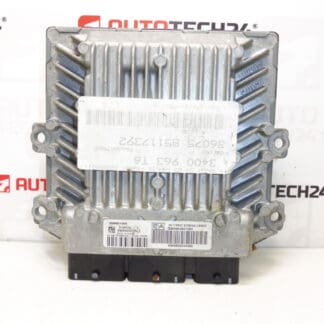
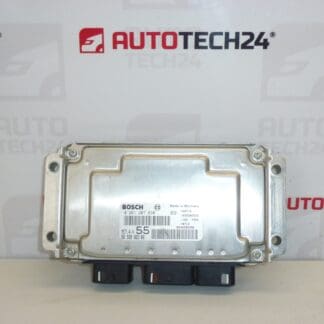
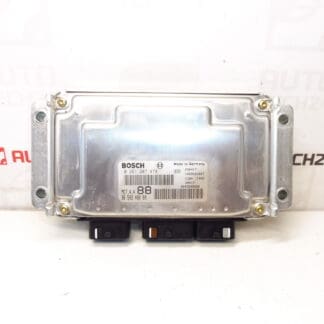
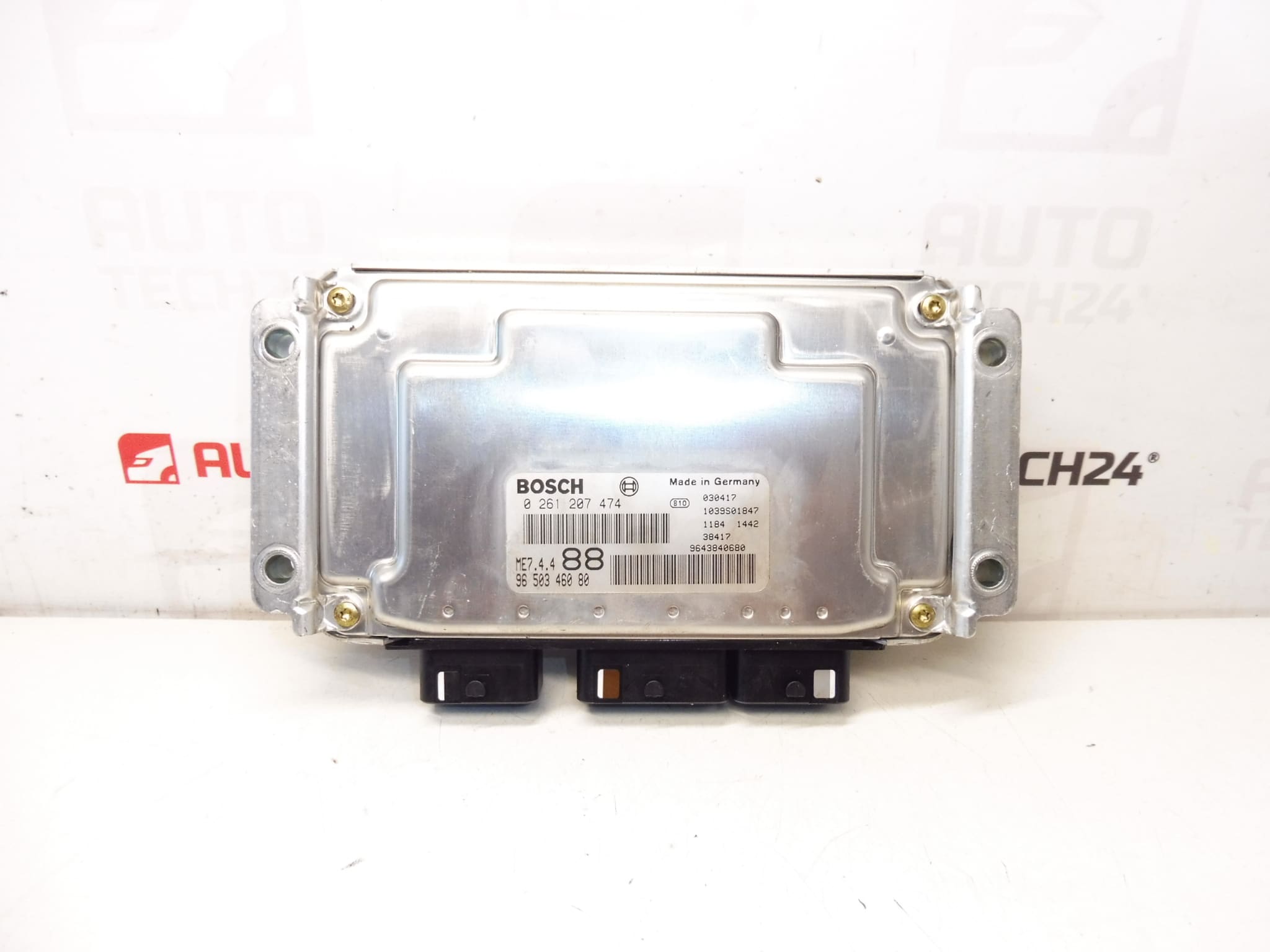
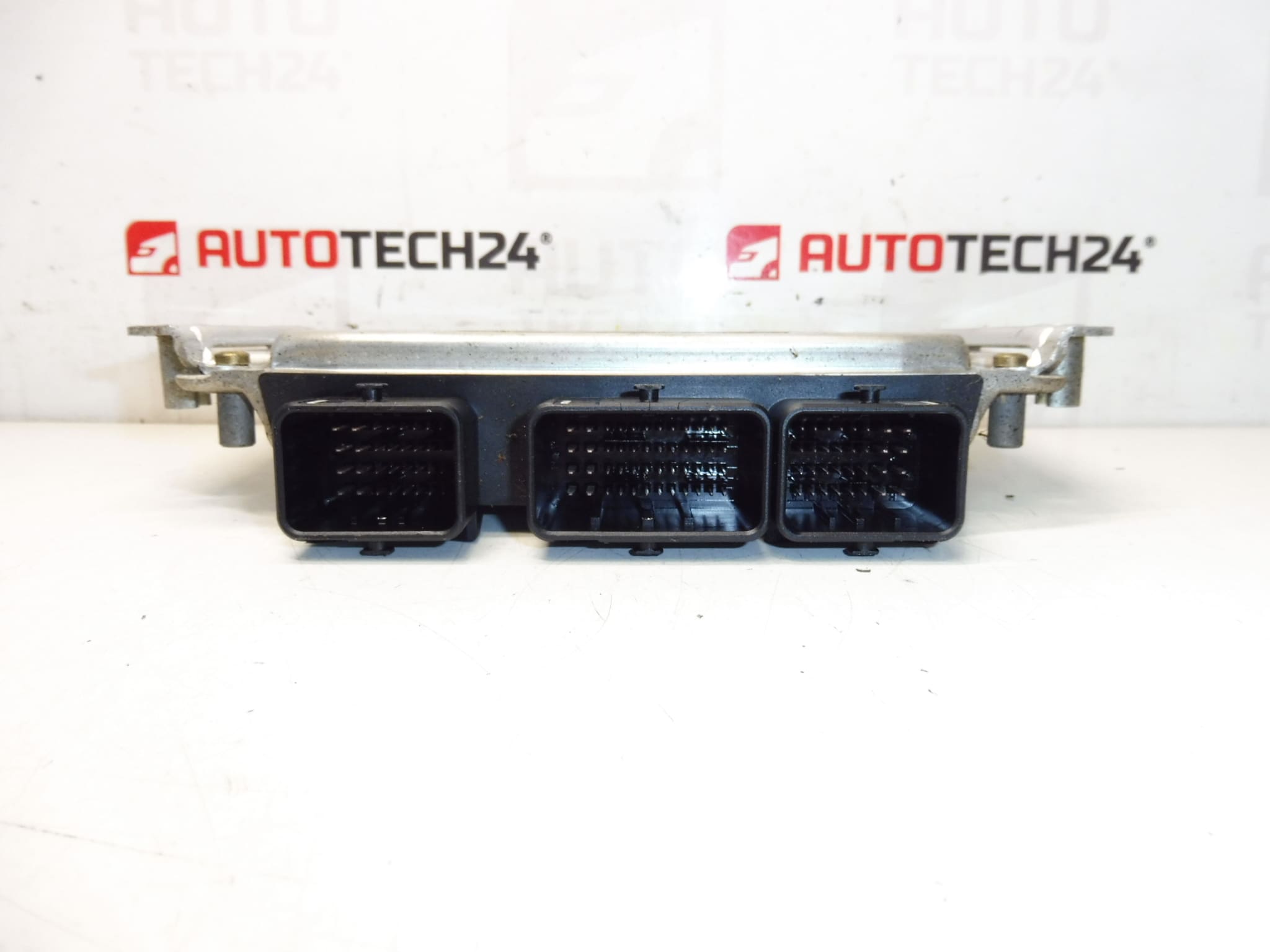
Engine Control Unit BOSCH ME7.4.4 NFU. Fits PEUGEOT 307 1.6 16V NFU 80KW.
Overview
This Bosch ME7.4.4 engine control unit (ECU) is designed for vehicles equipped with the NFU 1.6 16V engine, most notably the Peugeot 307 1.6 16V (80 kW). The unit manages fuel injection, ignition timing, lambda control, idle regulation and many engine protection strategies. Technically advanced and commonly searched by part number, this ECU is a direct-fit electronic control module for compatible PSA/Stellantis powertrains.
Function And Typical Symptoms
The ECU continuously monitors and controls engine sensors and actuators: injectors, ignition coils, throttle body, cam/crank sensors, oxygen sensors and EGR/boost-related systems where fitted. When an ECU develops faults the vehicle can exhibit one or more of the following symptoms: engine fails to start, irregular idle, misfires, reduced power / limp mode, increased fuel consumption, or persistent fault codes and MIL (Check Engine Light).
Compatibility And Fitment
Fits: Peugeot 307 1.6 16V with engine code NFU, rated approximately 80 kW. Commonly referenced by Bosch and PSA numbers listed below. Ensure engine code matches vehicle specification before installation.
Technical Information
- Manufacturer: Bosch
- Model: Peugeot 307 1.6 16V (Engine Code NFU) 80 kW
- Product Codes: 0261207474, 9650346080
- Other Numbers: ME7.4.4, 1942E4, 1940V8
Installation And Coding – Important
– The Unit Is Used And Is “Paired” With The Original Vehicle (VIN/PIN/Keys).
– Options For Commissioning:
1) Cloning Data From The Old Unit (EEPROM/Flash) – After A Clone The Unit Is Plug And Play.
2) Virginization And Subsequent Initialization/Telecoding Via DiagBox (Or Online) + Key Adaptation.
– Recommended To Be Performed By A Specialist With PSA Service Equipment (DiagBox/Lexia/PP2000).
– Always Disconnect The Battery Before Removal/Installation And Follow Manufacturer Procedures To Avoid Damaging The Unit.
Recommendation For Installation
- Disconnect the negative battery terminal and wait a few minutes before starting work to avoid electrical damage.
- Work in a static-free environment; avoid touching exposed pins and circuit board areas.
- Inspect connectors and wiring for corrosion or damage; repair wiring faults before fitting the ECU.
- After mechanical fitment, perform cloning or coding with appropriate diagnostic equipment (DiagBox/Lexia/PP2000). If cloning is performed correctly, the ECU will operate without further immobilizer issues.
- Follow vehicle manufacturer torque and mounting instructions to ensure reliable grounding and heat dissipation.
Why This Part Typically Fails
Common causes of ECU failure include water ingress or condensation (corrosion of connectors or PCB), thermal cycling causing solder joint cracks, voltage spikes from charging system faults or jump-starts, and prolonged exposure to contaminated environments. In many cases faults are secondary to wiring harness damage or failing sensors/actuators that place abnormal load on the ECU.
Replacement Procedure (Summary)
- Disconnect negative battery terminal and secure vehicle.
- Locate the ECU (consult vehicle repair manual); remove surrounding trim or brackets as needed.
- Unplug electrical connectors carefully and remove mounting bolts.
- Install replacement ECU, secure bolts and reconnect all plugs.
- Perform cloning or virginization and coding with DiagBox/Lexia/PP2000 as required, then test engine functions and clear fault codes.
Search Tips
This unit is frequently searched by part numbers: 0261207474, 9650346080 and by control unit type ME7.4.4. Use engine code NFU and vehicle model (Peugeot 307 1.6 16V) when checking compatibility.