Description
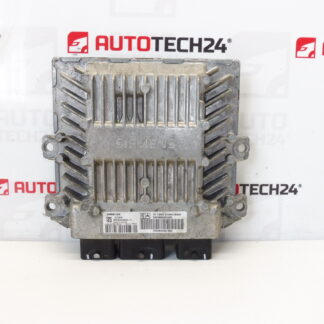
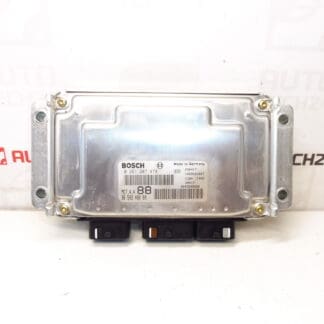
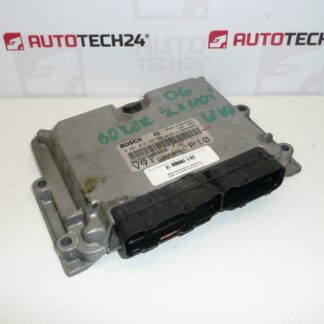
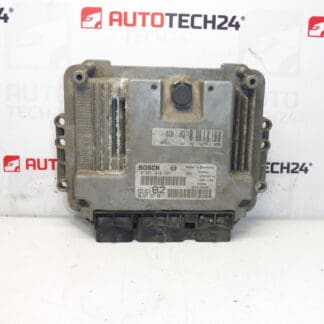
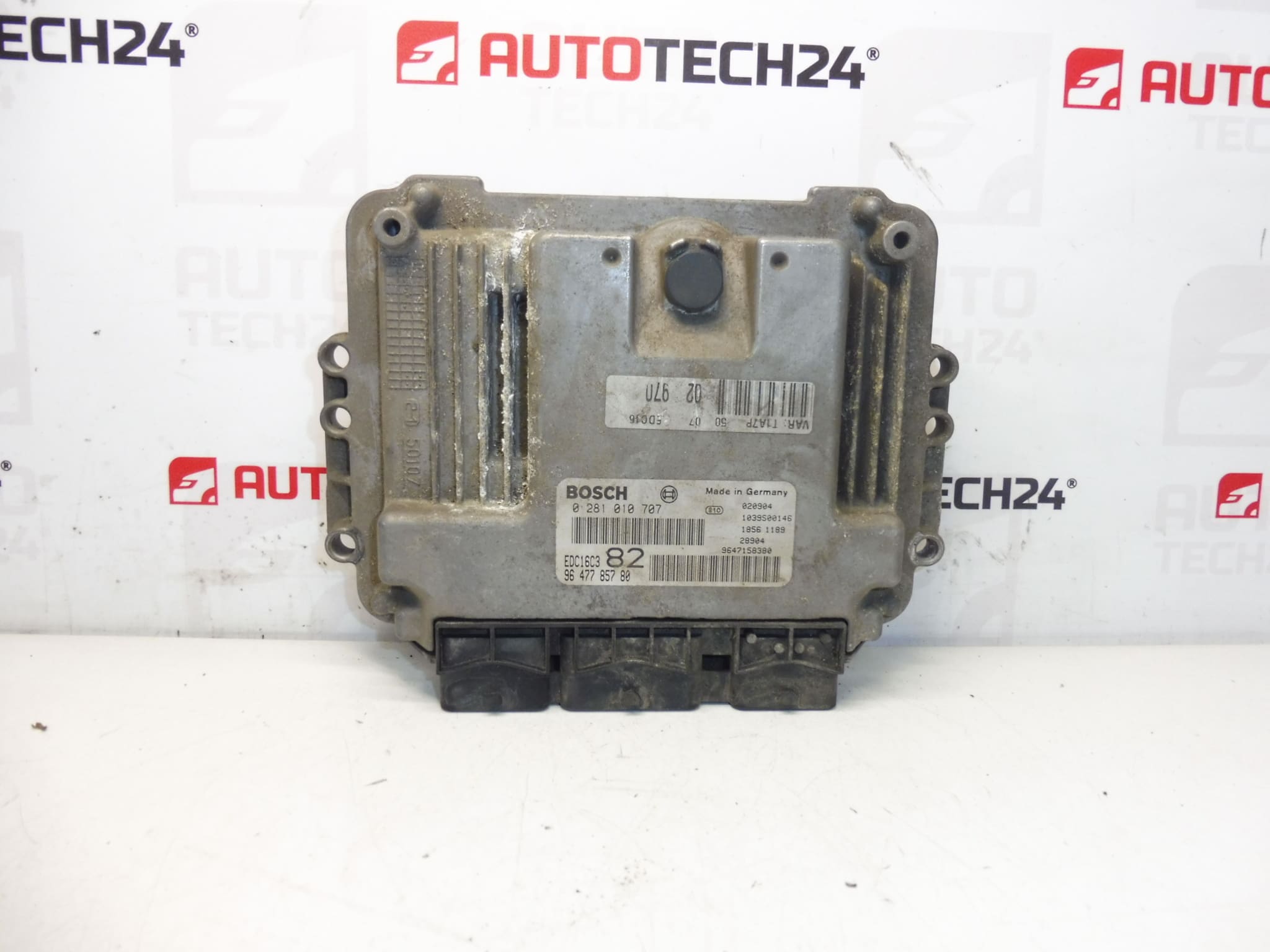
BOSCH EDC16C3 control unit for PEUGEOT 206 1.4 HDI 8HX cars
Part description
This Bosch EDC16C3 injection control unit is a used genuine auto part designed for Peugeot 206 1.4 HDI 8HX cars. It is an important electronic component of the engine management, which customers often search by serial number. The codes 0281010707 and 9647785780 are therefore essential when looking for the right part.
The unit is suitable as a replacement for the original damaged or non-functional part. For auto mechanics and home repairers, the possibility of tracing the original Bosch and PSA numbers is an advantage. A used original part is usually a practical choice for repairing a car while maintaining the correct type of control electronics.
Technical information
- Manufacturer: Bosch
- Model: EDC16C3
- Other numbers: 9647158380, 1942F7, 1942F8
Product codes
Installation recommendations
This part is an injection control unit. The exact replacement procedure may vary according to the specific model of the car, but in general the following recommendations apply for this type of part.
1) Before assembly
- Check that all codes on the original and replacement part match.
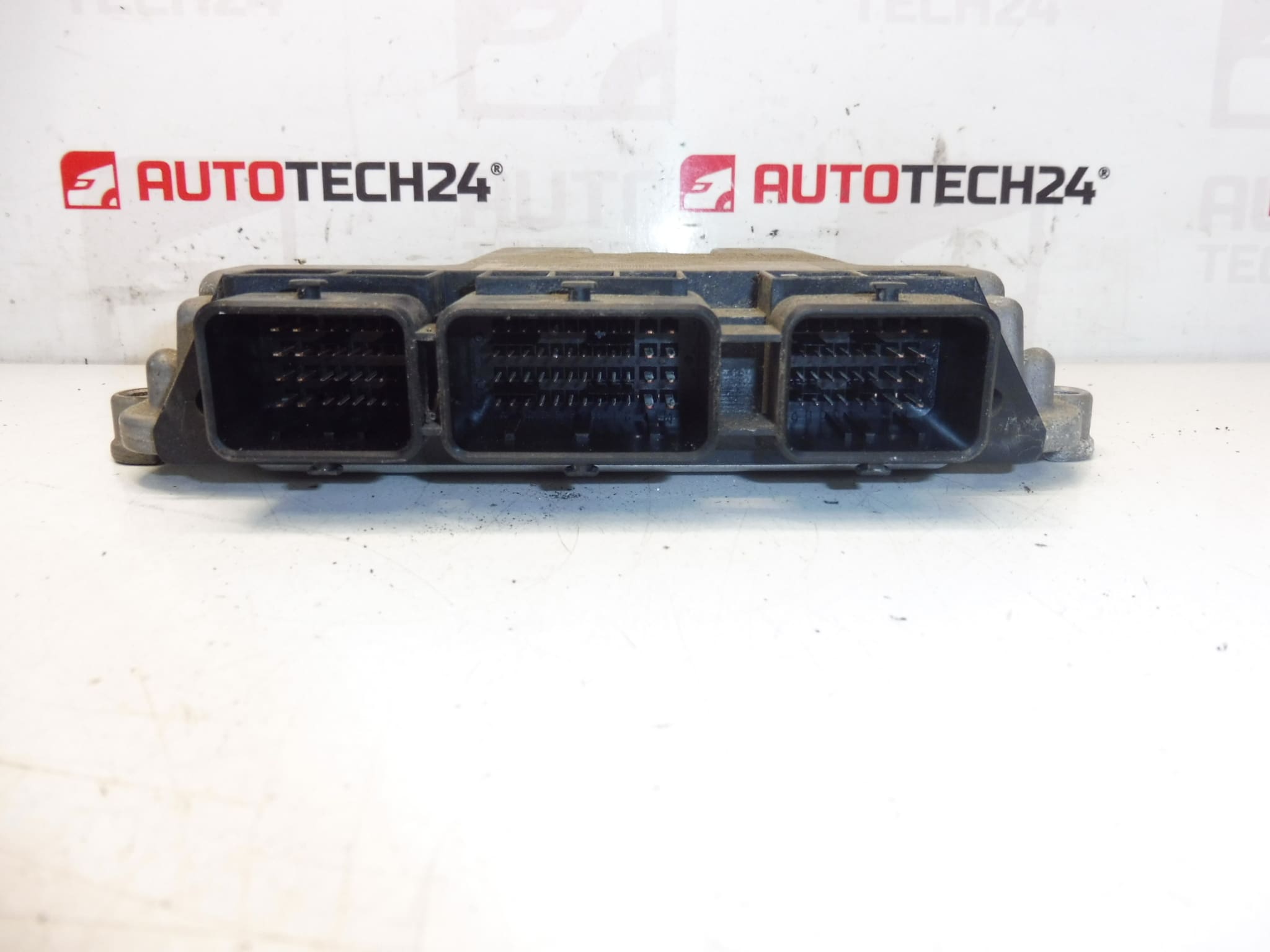
- Compare the connectors, mounts and overall type of the unit with the old piece.
- Check the condition of the contacts, whether they are oxidized, bent or mechanically damaged.
- Verify that the unit is free of cracks, leaks, or significant overheating.
2) Necessary tools and materials
- Basic set of common hand tools
- Suitable tools for removing covers and brackets
- Electrical contact cleaner
- Antistatically safe and clean work procedure
- Diagnostic equipment for subsequent adjustment or function check
3) Step-by-step assembly procedure
- Turn off the ignition and let the car stand still.
- Disconnect the battery according to safe service procedure.
- Access the control unit by removing the necessary covers or brackets.
- Disconnect the electrical connectors carefully so as not to damage the latches.
- Remove the original unit from the mount.
- Compare the old and new part by all numbers, connectors and design.
- If necessary, gently clean the connectors and the area around the mounting point.
- Place the replacement unit in its original location and secure it properly.
- Connect the connectors firmly and check that they are fully seated.
- Reinstall all removed covers and brackets.
- Connect the battery.
- Perform a diagnostic check and verify proper communication of the unit with the vehicle system.
-
4) Post-assembly checks and test drive/function verification
- Check if the car is communicating correctly with the control unit.
- Verify the stable operation of the engine and the basic function of the injection system.
- Watch for any warning lights or irregularities in operation.
- After successful assembly, perform a test verification of the function in normal operation.
5) The most common assembly mistakes + how to avoid them
- Interchanging a part with a similar unit with a different number – always compare all markings.
- Damage to connectors due to careless handling – disconnect and connect connectors carefully.
- Assembly without contact oxidation check – check the cleanliness and condition of the connections before installation.
- Insufficient fixing of the unit – make sure it is properly seated and firmly fixed.
- Skip the post-assembly diagnostic check – always verify system functionality after installation.
Assembly and Coding – Important
– The unit is used and is “paired” with the original car (VIN/PIN/keys).
– Commissioning options:
1) Cloning data from the old drive (EEPROM/Flash) – after the clone, the drive is plug and play.
2) Virginization and subsequent initialization/telecoding via DiagBox (possibly online) + customization of keys.
– Recommended to be performed by a specialist with PSA service equipment (DiagBox/Lexia/PP2000).
– Always disconnect the battery before disassembly/assembly and follow the manufacturer’s procedure to avoid damaging the unit.Reasons why the part is damaged
- Voltage fluctuations in the vehicle’s electrical system
- Moisture, leakage or long-term oxidation of connectors
- Mechanical damage during unprofessional disassembly or assembly
- Overheating of electronics due to operating conditions
- Defect in the wiring or bad contact in the connection