Description
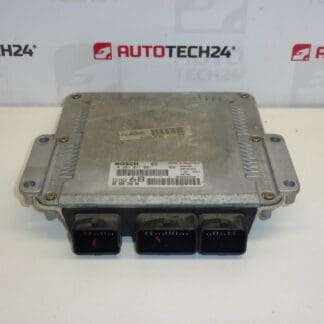
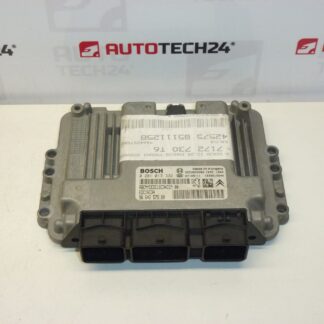
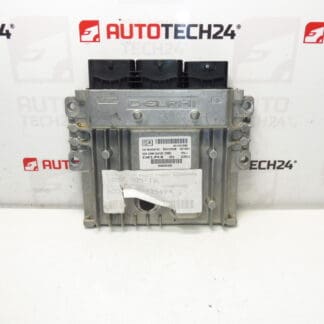
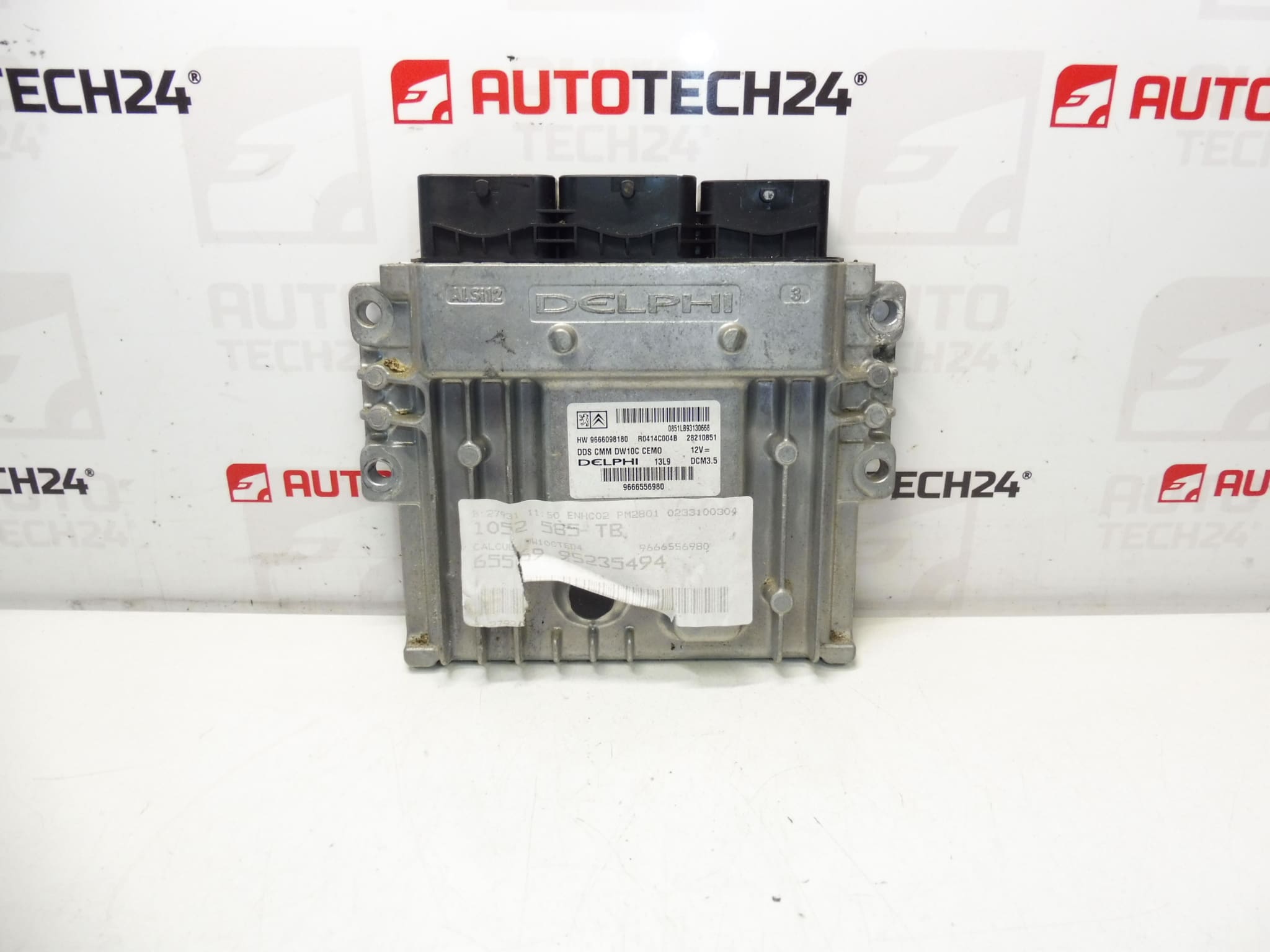
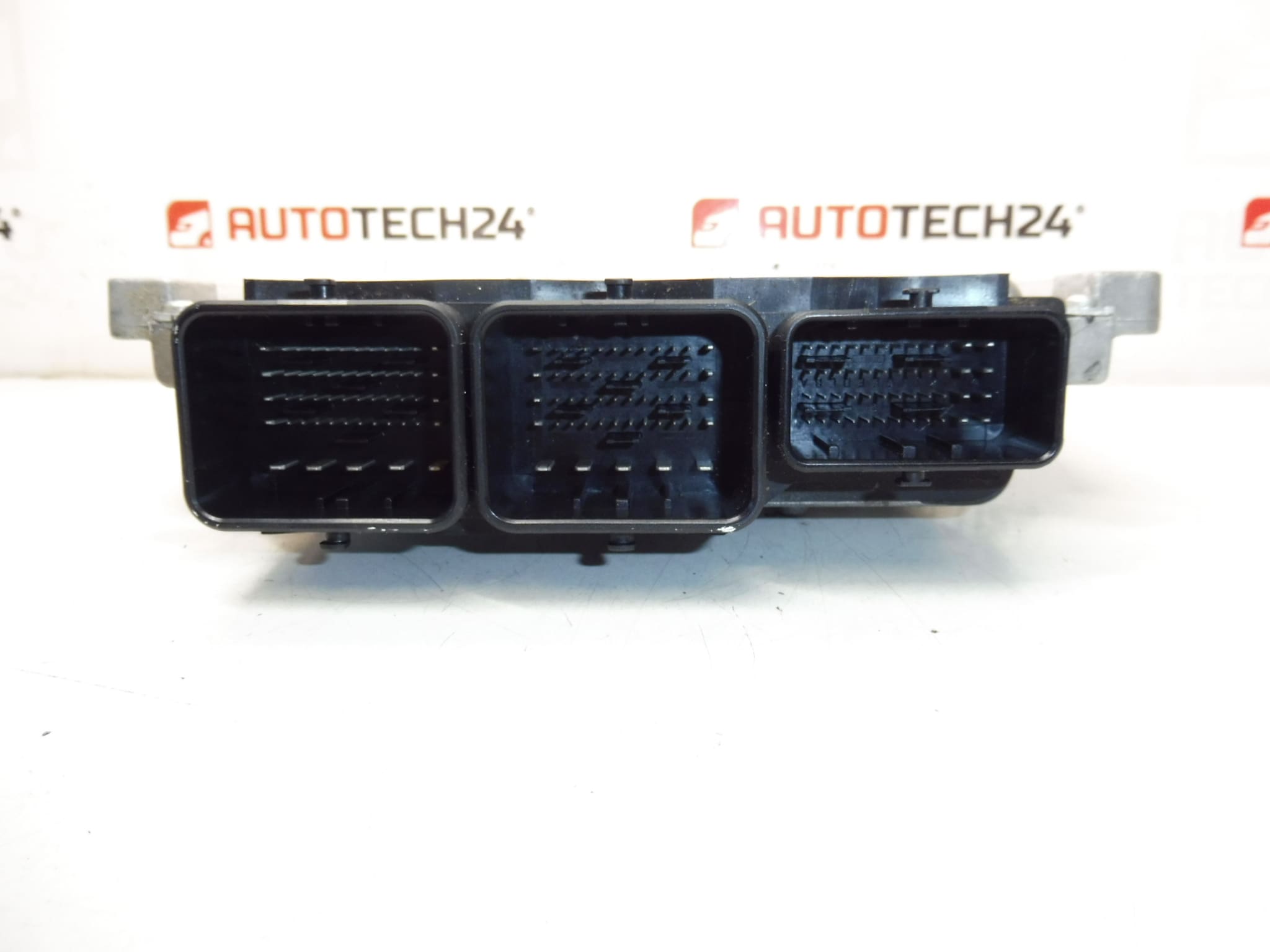
Control Unit DELPHI DDS CMM DW10C DCM3.5 suitable for Citroën C4 Picasso 2.0 HDi 120 kW and Peugeot 3008 / 5008 2.0 HDi 120 kW.
The Delphi DCM3.5 engine control unit (ECU) is a direct-fit electronic module designed for PSA 2.0 HDi (DW10C) 120 kW engines. Built to manage common-rail injection, torque control and engine diagnostics, this unit is a frequent replacement item when engine management faults appear. The unit is ideal for professional workshops and experienced DIY mechanics who search by reference numbers such as 9666556980, 9666098180 or 1677620680.
Technical Information
- Manufacturer: Delphi
- Model: DCM3.5 (DDS CMM DW10C)
- Product Codes: 9666556980, 9666098180, 1677620680
- Additional Numbers: 1943TH, 1943QR, 1943QS
Compatibility
Designed For: Citroën C4 Picasso 2.0 HDi 120 kW; Peugeot 3008 I 2.0 HDi 120 kW; Peugeot 5008 I 2.0 HDi 120 kW. Check the engine code (DW10C) and listed product codes when matching to the vehicle. This ECU is used on PSA/Stellantis platforms with the specified 2.0 HDi engine.
Function And Benefits
The ECU controls fuel injection timing and quantity, common-rail pressure regulation, turbocharger boost management, ignition and emissions-related functions. It also communicates with other vehicle modules for limp-home mode and on-board diagnostics (OBD). Replacing a faulty Delphi DCM3.5 restores correct fuel delivery, reduces misfires, limp-mode events and improves driveability and emissions compliance.
Typical Faults And Causes
Common failure modes include internal electronic/component failure, corrosion or water ingress into the housing/connectors, heat-induced solder joint fractures and damage from voltage spikes or poor battery/generator regulation. Symptoms prompting replacement are engine warning light (MIL), loss of power, rough idle, excessive smoke, no-start or intermittent stalling. Failures are not everyday events but occur often enough on high-mileage or water-exposed vehicles and those with electrical system issues.
Installation Recommendations
- Always disconnect the battery before removing or installing the ECU and follow the vehicle manufacturer’s removal procedure to avoid damage.
- Work In A Static-Safe Environment; protect ECU connectors from contamination and ensure all pins are clean and undamaged.
- Inspect Wiring Harness And Grounds For Corrosion Or Damage; repair any faults before fitting the new unit.
- After Mechanical Installation, Perform Required Coding Or Data Transfer (see below) To Ensure Full Functionality With Immobiliser And Other Vehicle Systems.
Installation And Coding – Important
- The Unit Is Used And Is “Paired” With The Original Vehicle (VIN/PIN/Keys).
- Options To Put The Unit Into Service:
- Cloning Data From The Old Unit (EEPROM/Flash) – After Cloning The Unit Is Plug And Play.
- Virginisation And Subsequent Initialization/Telecoding Via DiagBox (Or Online) + Key Adaptation.
- Recommended To Be Performed By A Technician With PSA Service Equipment (DiagBox/Lexia/PP2000).
- Before Removal/Installation Always Disconnect The Battery And Follow The Manufacturer’S Procedure To Avoid Damaging The Unit.
Practical Tips For Workshops And DIY Mechanics
If Replacing The ECU In Your Own Garage, Plan For Diagnostics And Coding Time; Simply Fitting The Unit Without Data Transfer Often Leaves The Vehicle Immobilised Or With Limited Functionality. If Cloning Is Chosen, Use A Reliable EEPROM/Flash Programmer And Verify Checksums. If Virginising And Coding, Use Authorized PSA Diagnostic Tools Or Entrust The Final Steps To A Workshop Equipped With DiagBox/Lexia/PP2000.
Why Choose This Unit
Purchasing A Correctly Identified Delphi DCM3.5 Minimizes Downtime And Ensures The Engine Management System Can Be Restored To Factory Behavior Once Properly Cloned Or Coded. Use The Product And Additional Numbers Listed In The Technical Information Section To Confirm Fitment.