Description
Power Supply Protection Unit For Battery For Citroën And Peugeot Vehicles
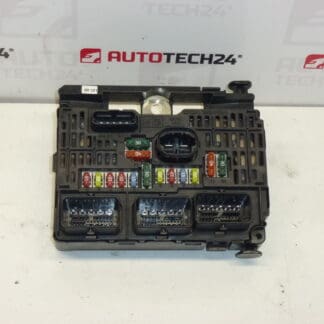
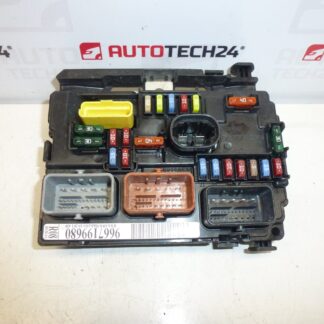
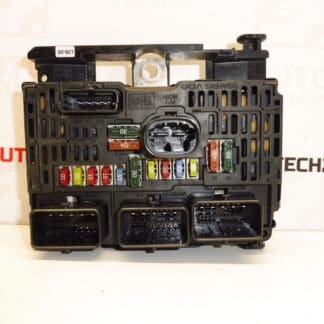
The Fuse/BSM Module (Battery Supply Module) is an essential power-distribution and protection unit designed for Citroën and Peugeot models. This unit manages battery-fed circuits, protects electrical lines with integrated fuses and relays, and supplies stable power to engine management and body electronics. Ideal for professional garages and DIY mechanics, this replacement part is often searched by its OE numbers and is compatible with a range of Stellantis vehicles.
Key Features And Benefits
High-quality OE-compatible replacement for the original fuse/power distribution module. Restores reliable battery-fed power distribution, reduces risk of electrical faults caused by damaged internal fuses or corroded contacts, and supports proper operation of engine and onboard electronics. Commonly used in repairs where intermittent power loss, blown fuses, or multiple electrical faults are present.
Technical Information
- Manufacturer: Stellantis (Citroën / Peugeot)
- Model: Citroën C4; Citroen C4 II; Citroën C4 Picasso; Peugeot 3008 I; Peugeot 308; Peugeot 5008 I
- Product Codes: 9665794680; 28201235; 6500HE
- Other Numbers: 28201235 | 6500HE | 9665794680
Compatibility And Application
Suitable for the listed Citroën and Peugeot models where the original OE numbers match. Frequently referenced in workshop queries by part numbers 9665794680, 28201235 and 6500HE. Verify visual match with the original module and connector layout before installation.
Installation Recommendations
- Disconnect The Negative Battery Terminal Before Starting Work To Avoid Short Circuits And Damaging The Module.
- Label Electrical Connectors And Take Photos If Needed To Ensure Correct Reconnection.
- Inspect Connectors, Wiring Harness, And Mating Surfaces For Corrosion Or Damage; Repair Or Replace Damaged Terminals.
- Secure The Module With Correct Fasteners And Ensure Good Grounding; Loose Mounting Can Cause Vibration Damage.
- After Installation, Reconnect Battery And Perform Functional Tests: Check Engine Start, Lighting, Central Locking, And Other Relevant Systems.
- Follow Manufacturer Procedures And Torque Recommendations Where Available.
Why This Part Fails Most Often
Failures Are Typically Caused By Environmental And Electrical Stress: Water Ingress And Corrosion Of Contacts, Thermal Stress From High Current Loads, Intermittent Short Circuits Causing Blown Internal Fuses, Poor Or Loose Connections Leading To Overheating, And Mechanical Damage From Accidents Or Vibration. Aging Can Also Degrade Internal Relays And Solder Joints, Leading To Unreliable Operation.
Symptoms Of A Faulty Unit
- Multiple Electrical Circuits Not Functioning Or Intermittent Failures
- Vehicle Fails To Crank Or Start Due To Lost Power To Engine Systems
- Blown Fuses Repeatedly After Replacement
- Warning Lights On The Dashboard Related To Electrical Or Power Distribution Faults
Practical Notes For Mechanics
This Module Is A Critical Node In The Vehicle Electrical System. Replace It When Internal Fuses Or Contacts Are Damaged, When There Is Evidence Of Corrosion, Or When Diagnostics Point To Power Distribution Faults. Always Inspect The Surrounding Wiring And Relays To Eliminate Root Causes That Could Damage A Replacement Module.
Search And Identification Tips
Customers And Workshops Commonly Search Using OE Numbers 9665794680, 28201235 Or 6500HE. Confirm The Physical Appearance And Connector Layout Against The Vehicle Unit Before Final Fitment.