Description
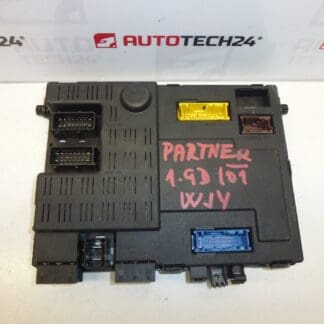
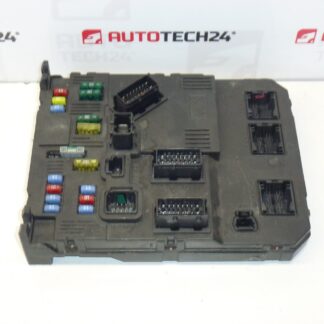
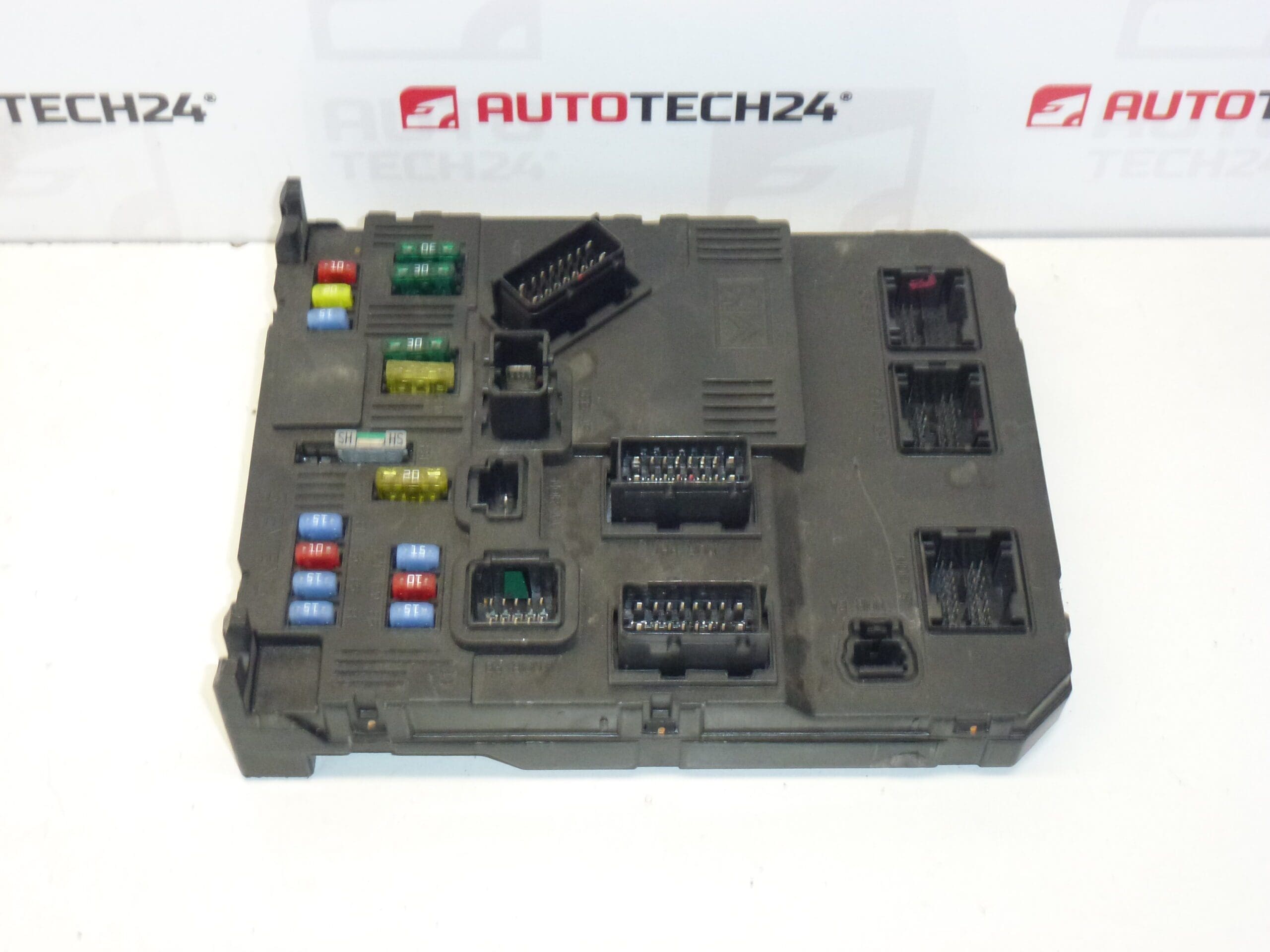
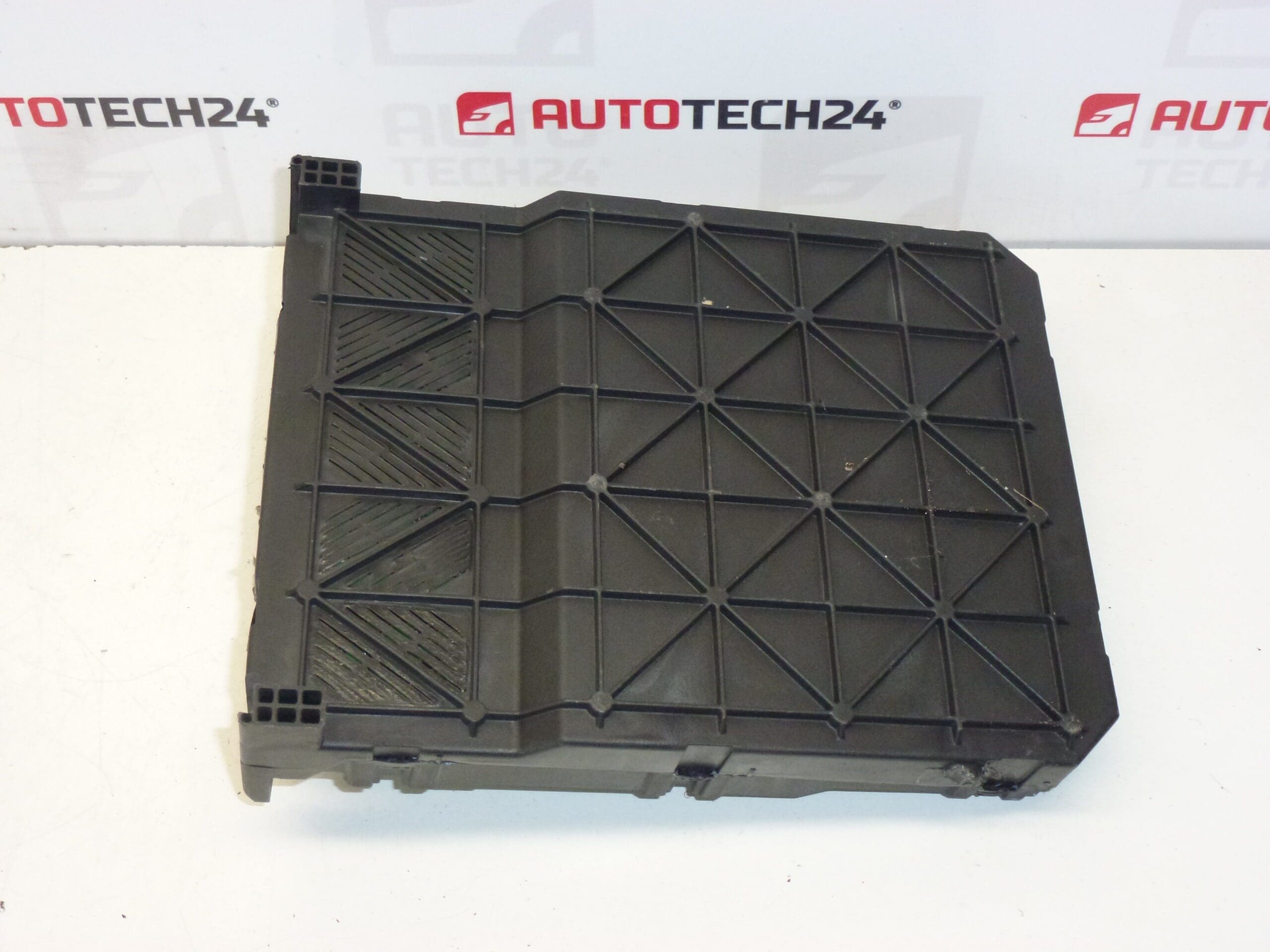
Intelligent BSI S03-00 Siemens Unit for Peugeot 407 Vehicles.
This used BSI (Body System Interface) S03-00 unit manufactured by Siemens is a direct-fit comfort and central electronics module for the Peugeot 407. Designed to manage door locking, interior lights, wipers, central locking, alarm/immobiliser interfaces and various body electronics signals, this unit is commonly sought by professional technicians and DIY enthusiasts alike under part numbers such as 9655708480 and S120104600. Offering a cost-effective replacement for malfunctioning comfort electronics, this BSI restores reliable vehicle convenience functions when correctly installed and coded.
Applications
Compatible With:
- Peugeot 407 (Saloon / SW / Coupé) – check fitment by part number.
Technical Information
- Manufacturer: Siemens
- Model: BSI S03-00
- Product Codes: 9655708480, S120104600
- Other Numbers: L 6580FW
Function And Typical Faults
The BSI is the central comfort electronics unit that coordinates signals between switches, door modules, alarms, immobiliser, lighting and the vehicle CAN network. Typical symptoms of BSI failure include intermittent or complete loss of central locking, non-functioning interior lights, erratic wiper or washer operation, instrument cluster warnings, key recognition faults and failure to arm/disarm the alarm or immobiliser.
Common Causes Of Failure:
- Moisture ingress or corrosion on connectors or PCB traces.
- Electrical surges or voltage spikes (jump-starts, poor battery connections).
- Age-related degradation of solder joints and electronic components.
- Aftermarket electrical modifications or improper repairs.
How Often They Fail
Failure rate depends on vehicle use and environment; many BSI units last 8–15 years, but exposure to damp conditions, repeated low-voltage events or poor battery maintenance can shorten service life.
Installation Recommendations
Basic Replacement Steps:
- Disconnect the negative battery terminal before any work to prevent short circuits and protect the electronics.
- Remove lower dash trim and access panels to reach the BSI module (typically located behind the glovebox or under the dashboard on the passenger side depending on vehicle specification).
- Carefully unplug all connectors, noting locking tabs and connector orientation.
- Unscrew mounting fasteners and remove the old unit. Install the replacement unit, secure mounting screws and reconnect connectors firmly.
- Follow coding/initialization procedures (see notes below) before restoring full operation.
Installation And Coding – Important
- The unit is used and is “paired” with the original vehicle (VIN/PIN/keys).
- Options For Commissioning:
- Cloning Data From The Old Unit (EEPROM/Flash) – After cloning the unit is plug and play.
- Virginization And Subsequent Initialization/Telecoding Via DiagBox (or online) + Key Adaptation.
- Recommended To Be Performed By A Specialist With PSA Service Equipment (DiagBox/Lexia/PP2000).
- Before Removal/Installation Always Disconnect The Battery And Follow Manufacturer Procedure To Avoid Damaging The Unit.
Why This Part Is Frequently Replaced
The BSI is exposed to a wide variety of electrical stresses and environmental factors while controlling many vehicle convenience features. Because it interfaces with multiple systems and connectors, connector corrosion, moisture entry and transient voltage events are the leading reasons for replacement. Electrical faults often manifest as intermittent issues, so technicians commonly replace or reprogram the BSI when diagnostics point to corrupted memory or failed I/O lines.
Additional Notes
This unit is commonly searched by its part numbers (9655708480, S120104600, L 6580FW) and model designation S03-00. Proper commissioning after physical replacement is essential to restore all vehicle functions; consider professional coding services if you do not have access to PSA diagnostic tools.