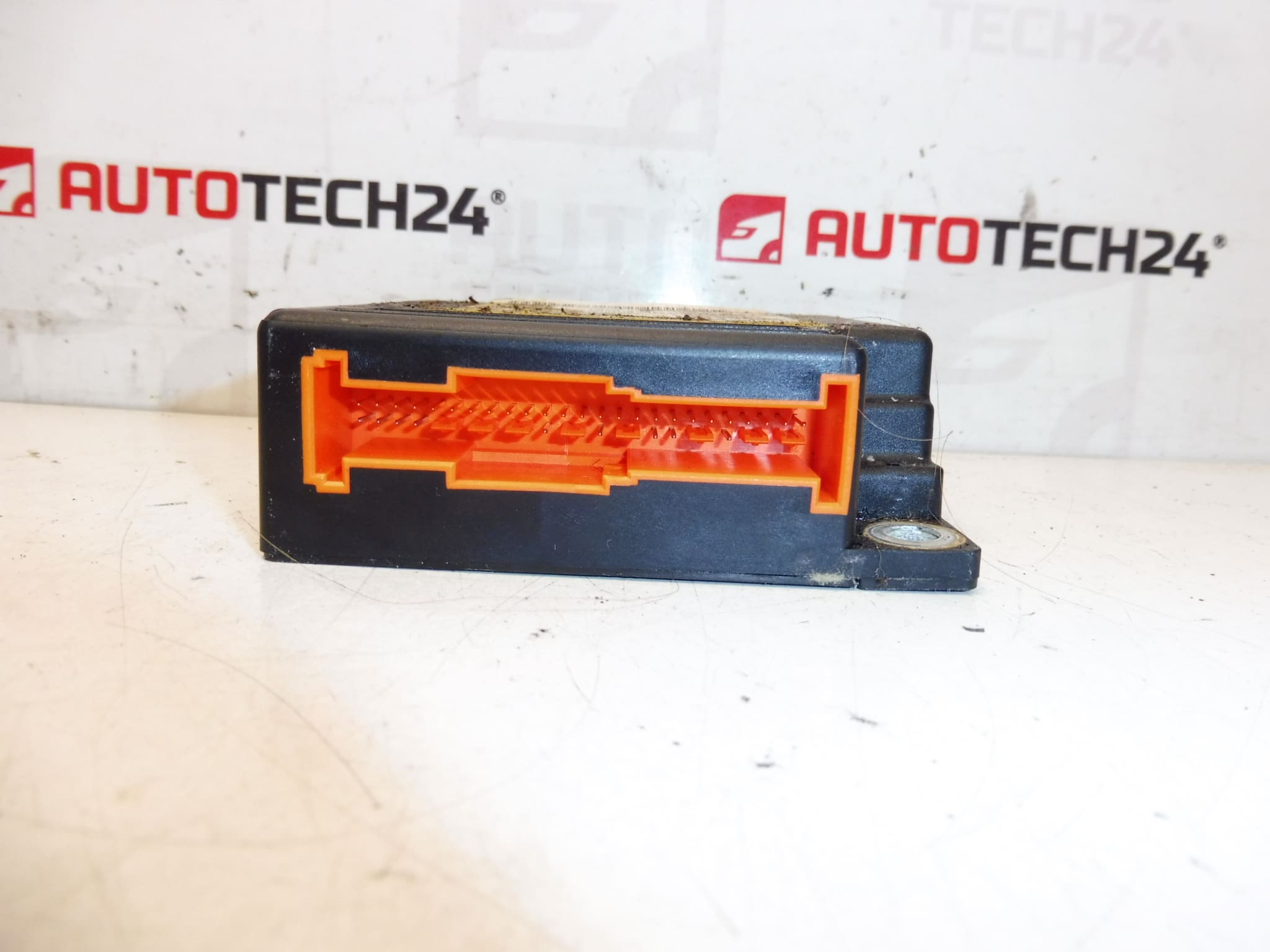
Description
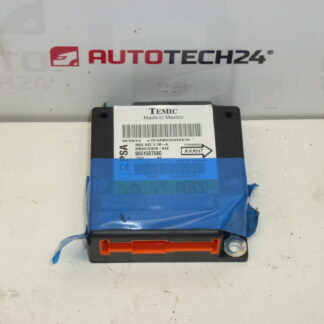
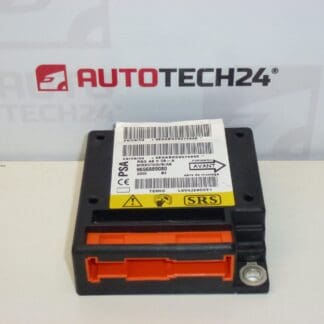
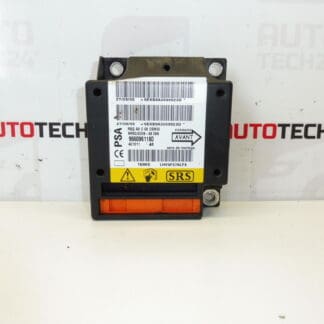
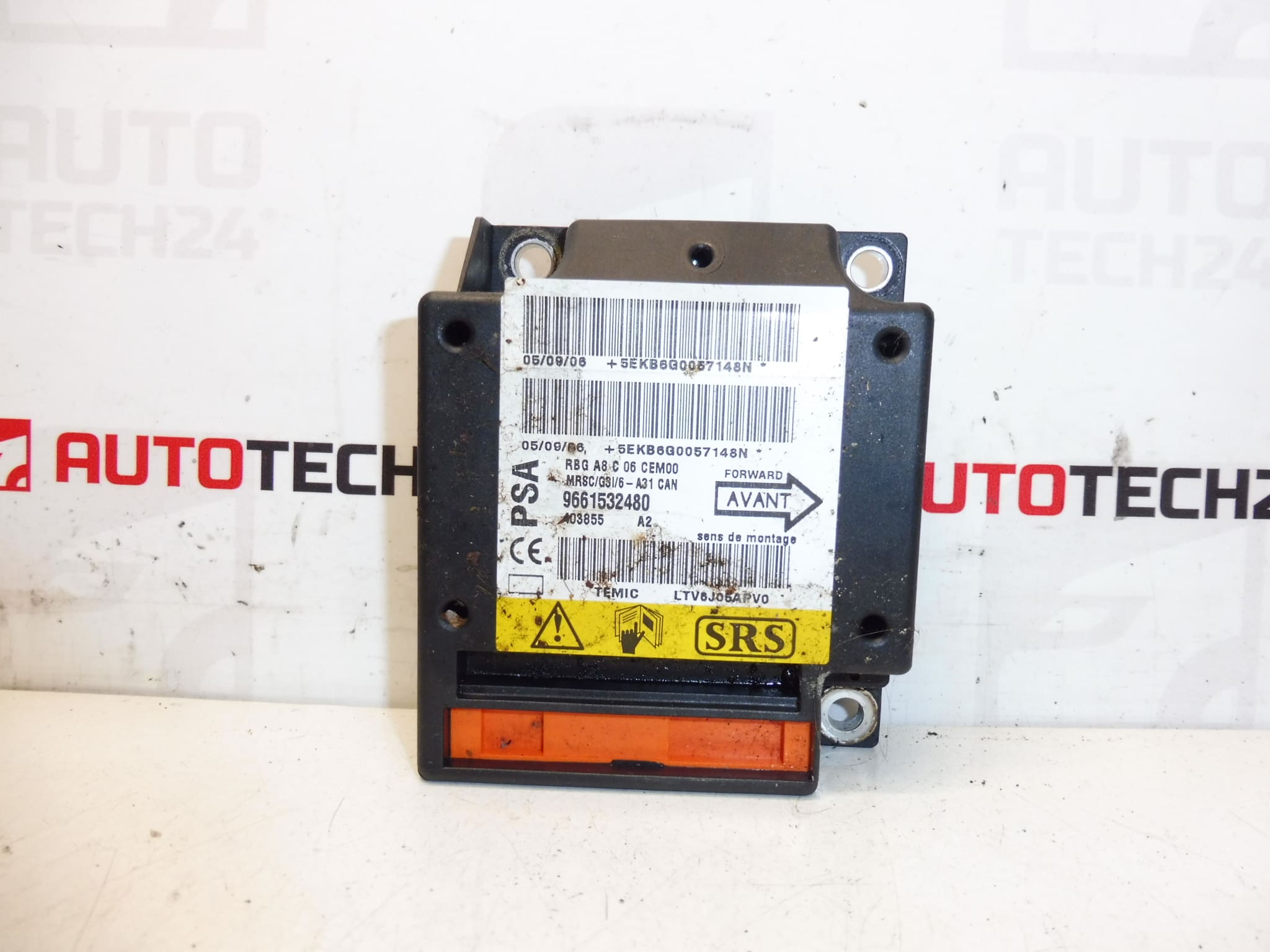
Airbag Control Unit For Citroën C2 And C3 From 2005. Removed From A Non-Damaged Vehicle, Fully Functional.
Product Overview
This airbag control unit (SRS Module) is an OEM steering‑column / passenger‑compartment module for Citroën C2 and C3. The unit monitors crash sensors and seatbelt pretensioners, stores fault codes and event data, and commands airbag deployment in the event of a collision. It is commonly searched by its part numbers (e.g. 9661532480, 6545S0) — include these in searches to find the exact match for your vehicle.
Why Choose This Unit
Ideal for professional workshops or experienced DIY mechanics who need a direct replacement part without modifying vehicle wiring. Being sourced from a non-damaged vehicle means the unit has not been exposed to crash deployment, making it suitable for reinstallation when properly matched and configured. Purchasing by part number speeds up compatibility checks and reduces installation errors.
How The Unit Works And Common Symptoms
The airbag control unit continuously monitors inputs from impact sensors, belt sensors and the vehicle CAN network. When a predefined threshold is exceeded, the module triggers the appropriate restraint devices. Typical symptoms of a faulty unit include persistent SRS/Airbag warning lamp on the instrument cluster, intermittent fault codes related to sensor circuits, or historical crash data preventing normal system operation.
Replacement And Service Notes
Replacement requires careful handling and proper post-installation checks. After physically fitting the unit and reconnecting electrical connectors, a diagnostic tool is normally used to read and clear SRS fault codes and verify sensor status. Depending on the vehicle and the module state, coding or initialization may be required to restore full system function.
Technical Information
- Manufacturer: Stellantis (Citroën / Peugeot)
- Model: Citroën C2, Citroën C3 (from 2005)
- Product Codes: 9661532480, 6545S0
- Additional Numbers: 6546C7, 6546C8, 6545S5
Installation Recommendations
– Always disconnect the vehicle battery before starting work and wait at least 2 minutes to allow the safety capacitors to discharge. Follow the vehicle manufacturer’s removal and installation procedure to avoid damage to the unit or vehicle wiring.
– Avoid touching connector pins and keep contacts clean and dry. Ensure connectors are fully engaged and locking clips are seated.
– After installation, use a suitable diagnostic tool to read and clear SRS fault codes and verify system integrity. If the airbag warning lamp remains illuminated, investigate sensor circuits and connector continuity before further attempts to reset codes.
Why This Part Most Often Fails
Airbag control units most commonly become unusable after a collision because deployment or impact forces can damage internal components or record crash data that renders the module non-serviceable. Other frequent causes of failure include water ingress or corrosion at connectors, electrical surges, poor previous repairs, or long-term degradation of internal solder joints. Units removed from undamaged vehicles typically fail less frequently, but connectors and environmental exposure remain potential risk factors.
Notes For Mechanics And DIY Enthusiasts
Search by part number to confirm mechanical fit and electrical compatibility. This unit is intended for installers familiar with SRS safety protocols and diagnostic procedures. Proper installation and verification are essential to restore full occupant protection functionality.