Description
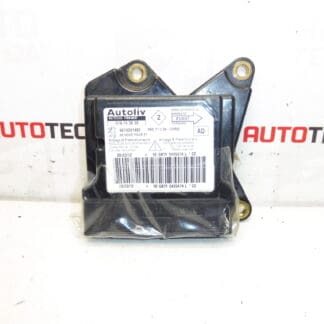
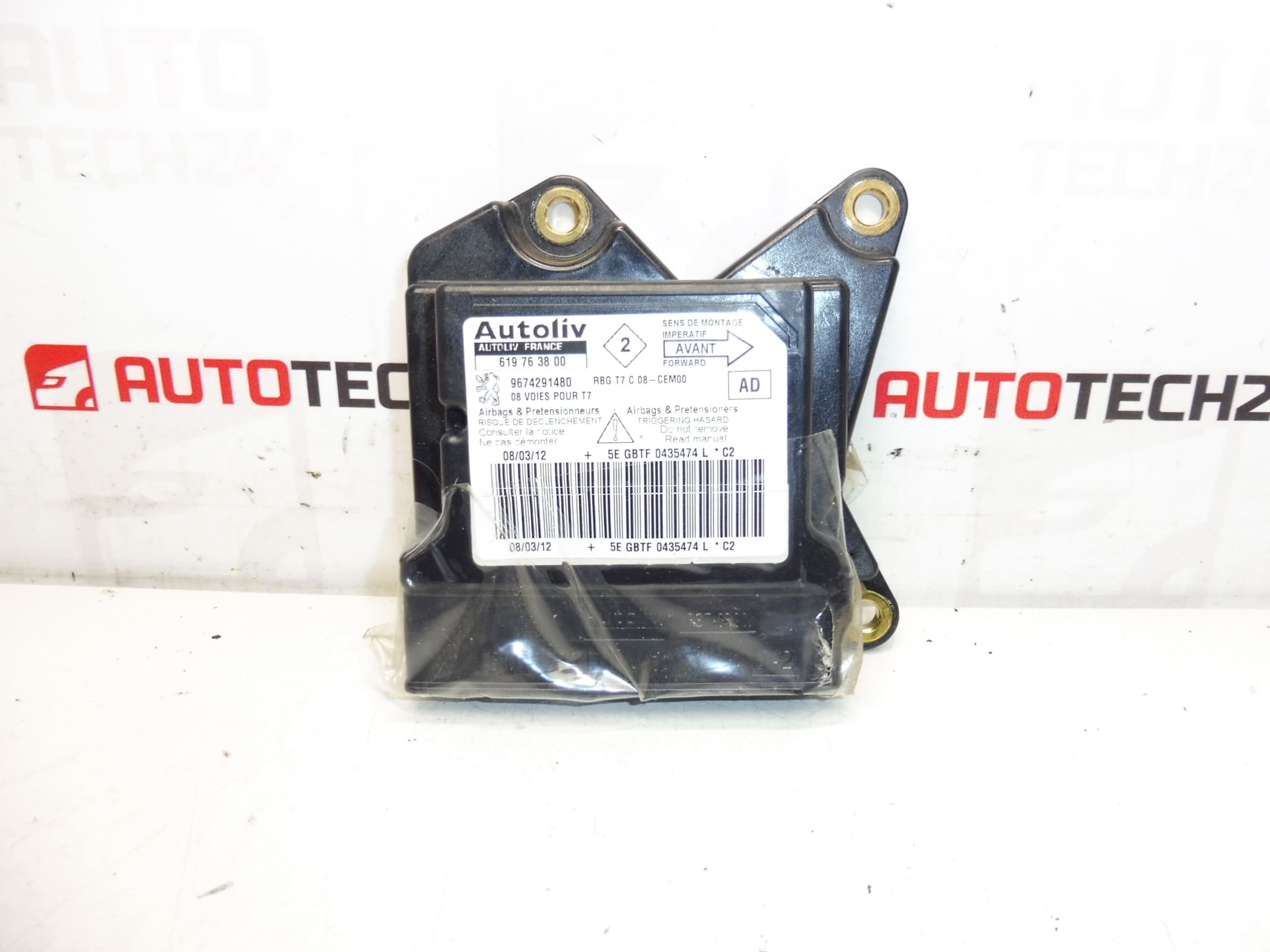
Airbag unit for PEUGEOT 308 T7 cars
Fully functional
Part description
This airbag unit is a used original part designed for Peugeot 308 cars. It is an important electronic component of the passive safety system, which ensures the evaluation of crash conditions and cooperation with the vehicle’s airbag system. Parts of this type are often searched for by production numbers, so in the description below you will find all available codes for easier identification.
It is essential for auto mechanics and home repairers that this is a fully functional part. When replacing, it is always necessary to compare the markings on the original unit with the label and numbers given on this part, so that the installation corresponds to the specific design of the car.
Technical information
- Manufacturer: Stellantis Citroën Peugeot
- Model: Peugeot 308 T7
- Other numbers: 619763800, 9674291480, 6546AP, 9803946780
Product codes
- Product codes: 619763800, 9674291480, 6546AP, 9803946780
- Model names: Peugeot 308
Installation recommendations
This part is an airbag control unit, so it is necessary to proceed with the utmost care when handling it. The exact steps may vary depending on the specific design of the car, but in general the following recommendations apply for this type of part.
1) Before assembly
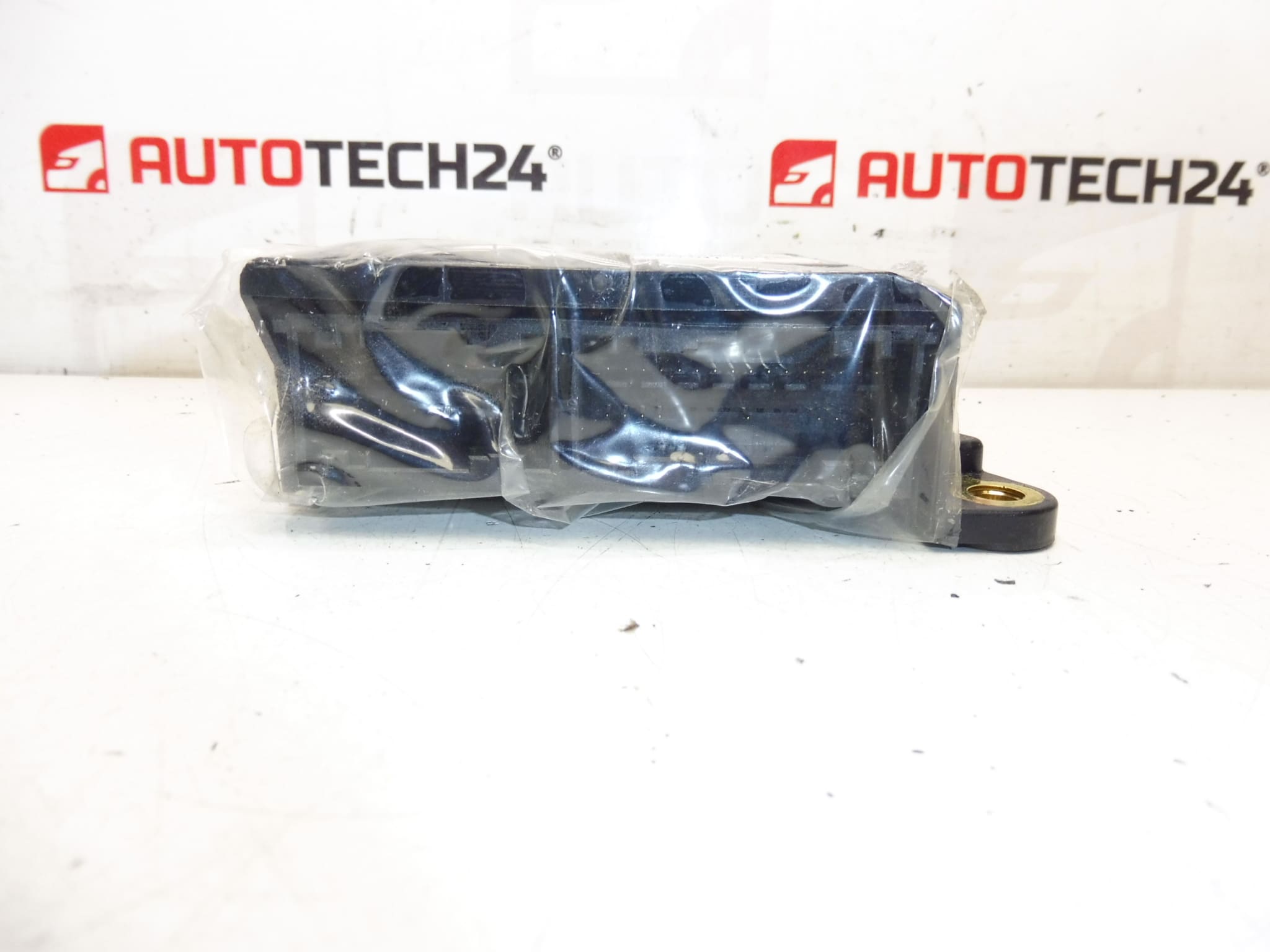
- Compare the old and new part by all labels, connectors, mounts and product numbers.
- Check that the used unit is not mechanically damaged, dirty or corroded.
- Before any handling, disconnect the battery and leave the vehicle at rest after disconnecting the battery according to normal service practice.
- Work without static electricity and protect connectors from contact damage.
2) Necessary tools and materials
- regular set of hand tools
- tools for removing covers and upholstery
- cleaning agent for electrical contacts suitable for car electronics
- protective gloves and a clean working environment
- diagnostic equipment to check the system after assembly
3) Step-by-step assembly procedure
- Secure the vehicle against movement and turn off the ignition.
- Disconnect the battery and wait according to the usual safety procedure for working on the airbag system.
- Access the original airbag unit by removing the necessary covers or trim.
- Carefully check the condition of the connectors, latches and wiring around the unit.
- Disconnect the electrical connectors so as not to damage the securing elements.
- Remove the original unit from its mount.
- Compare the original and supplied part by numbers, shape, connectors and mounting.
- Mount the used unit in its original location and seat it properly.
- Connect the connectors without force, checking that they are properly seated and secured.
- Reinstall all removed covers and trim.
- Connect the battery and perform a basic electrical system check.
- Use the diagnostics to verify the status of the airbag system and the correct communication of the unit.
-
4) Post-assembly checks and test drive/function verification
- Check that the standard system check is performed when the ignition is turned on.
- Verify that there is no play in the connectors and that the wiring is not pinched or stressed.
- Perform a diagnostic check of the control unit and associated circuits.
- After installation, observe the behavior of the vehicle and any error messages on the instrument panel.
5) The most common assembly mistakes + how to avoid them
- Assembly without comparing part numbers – always compare all codes from the label and connector designs.
- Working with the battery connected – the airbag system must always be operated with the power supply disconnected.
- Damage to the connectors – do not use force, release the lock first.
- Omission of diagnostic check – after replacement, it is advisable to check the system with diagnostics.
- Contaminated or corroded contacts – before assembly, it is advisable to check the cleanliness and condition of the connection points.
Reasons why the part is damaged
- consequences of an accident or impact event
- moisture and corrosion in electrical connectors
- cabling damage or overvoltage in the vehicle’s electrical network
- unprofessional disassembly or assembly
- mechanical damage to the unit or its connectors
- long-term load due to the age and operation of the vehicle