Description
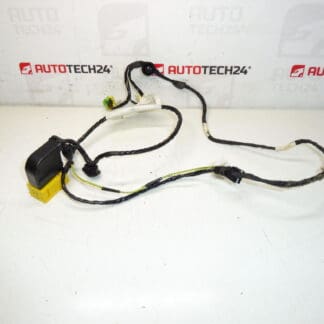
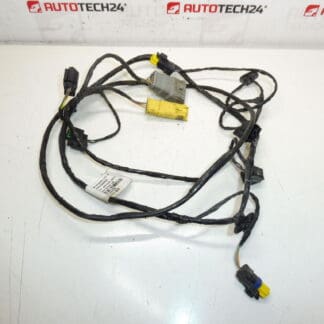
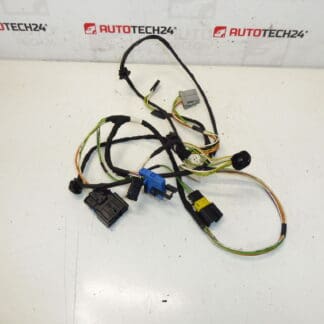
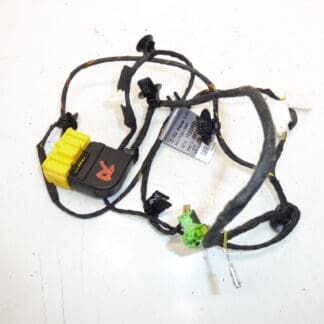
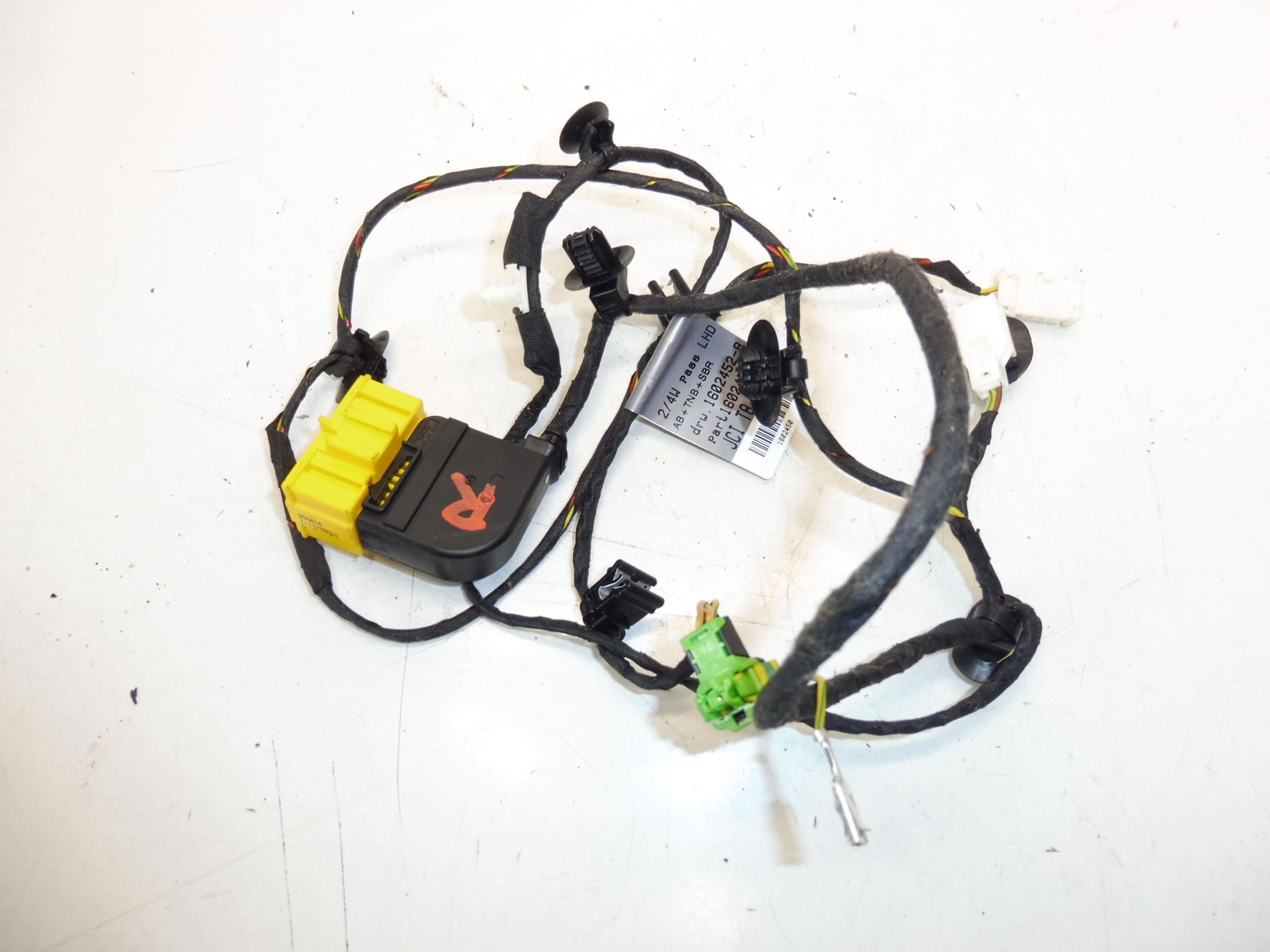
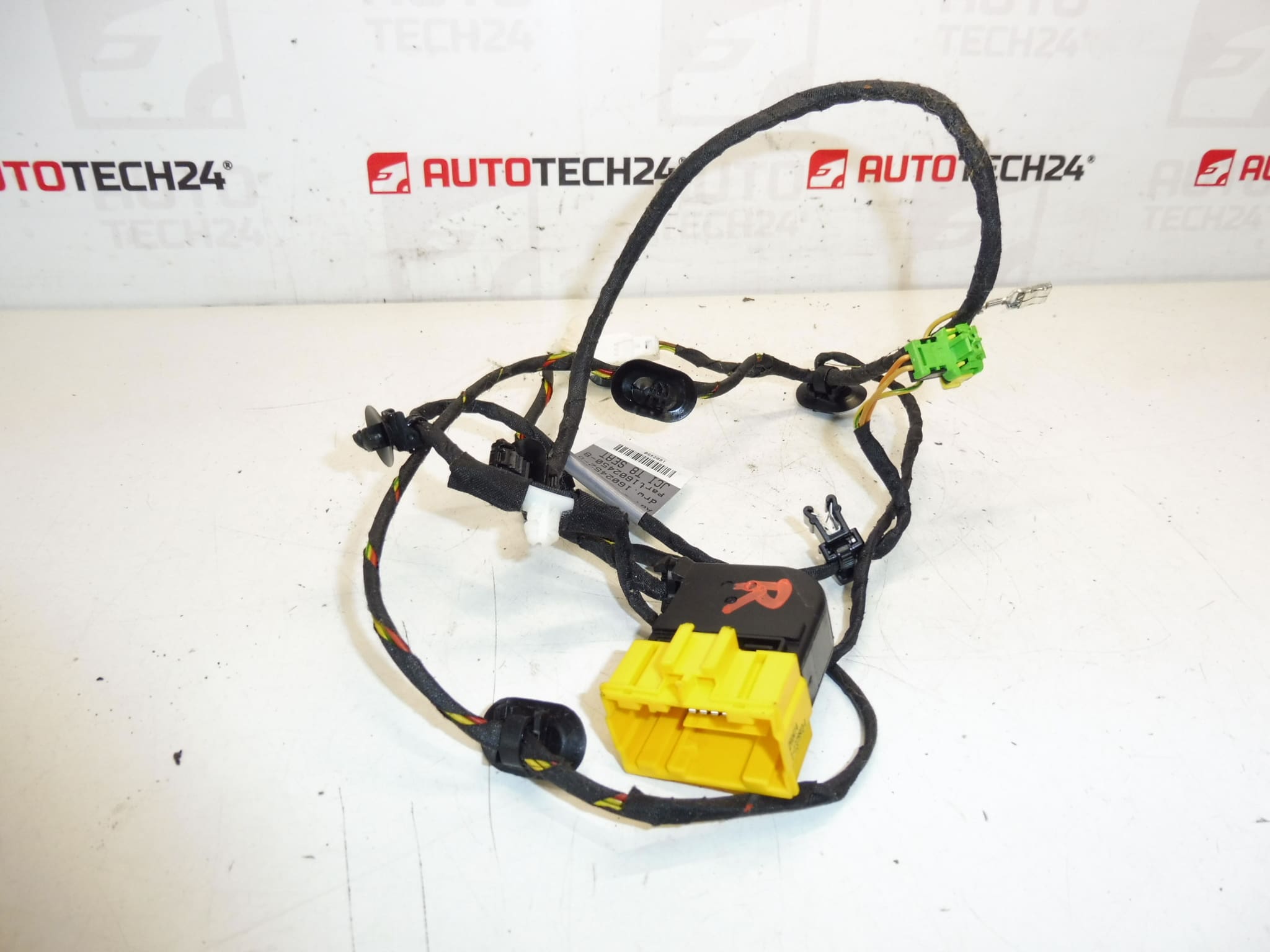
Complete front passenger seat harness for Peugeot 3008 and 5008 cars
Part description
This used passenger seat wiring harness is for Peugeot 3008 and Peugeot 5008 cars. It is a complete harness for the front passenger seat, which is important for the correct connection of the electrical elements of the seat and related systems of the car.
The part is also searchable by the number 6545XT, which makes it easier to identify the correct type when repairing or replacing a damaged original volume. It is especially suitable for car mechanics and home DIYers who are looking for an original used PSA part to repair the seat wiring.
Technical information
Product codes
Installation recommendations
In general, it is necessary to proceed carefully when replacing the seat wiring harness, because it is an electrical component located in a stressed area with the movement of the seat. The exact steps may vary depending on the specific car model and equipment.
1) Before assembly
- Check if the part number 6545XT matches the original part.
- Compare the connectors, harness length, mounting and branching of the wiring with the old part.
- Inspect the used harness for damage to the insulation, connectors, latches, or protective cable covers.
- Before starting work, disconnect the battery and wait a reasonable time before handling the electrical connectors.
2) Necessary tools and materials
- A common set of hand tools
- Plastic pry bar for removing covers
- Electrical contact cleaner
- Work lighting
- Clamping tapes or clips, if needed to restore original harness routing
3) Step-by-step assembly procedure
- Turn off the ignition and disconnect the battery.
- Get access to the passenger seat area and all parts of the original harness.
- Carefully remove covers or other obstructing parts if they prevent access to wiring.
- Document the routing of the original harness and the location of the individual connectors, ideally with a photo before disassembly.
- Progressively disconnect all the connectors of the old harness without using excessive force.
- Release the bundle from all brackets, clamps and guide points.
- Compare the old and new part side by side so that the cable routing and termination match.
- Mount the new harness in the same routes and attachment points as the original piece.
- Connect all connectors so that they fit properly and are secured with latches.
- Check that the wiring is not pinched, twisted or routed anywhere where it could rub when the seat moves.
- Reassemble the covers and possibly other dismantled parts.
- Connect the battery and perform a basic check of the functions related to the seat.
-
4) Post-assembly checks and function verification
- Check that all connectors are firmly connected.
- Check that the wiring does not strain and rub against surrounding parts when the seat moves.
- Check the operation of all systems that are electrically connected through the seat.
- After a short test drive, visually check again that the harness remains properly stowed.
5) The most common assembly mistakes + how to avoid them
- Swapping connectors – mark or take a picture of everything before disconnecting.
- Damage to the connector latches – disconnect the connectors gently and in the correct direction.
- Poor wiring – always copy the original harness route.
- Cables pinching – check the full range of seat movement before final assembly.
- Overview of damage to the used part – carefully check the insulation and connectors before assembly.
Reasons why the part is damaged
- Repeated movement of the seat, which stresses the cabling and connectors over the long term
- Mechanical pinching or breaking of wires
- Insulation damage by rubbing against the seat structure or surrounding parts
- Unsparing previous disassembly or intervention in the electrical installation
- Moisture, contamination or oxidation of contacts