Description
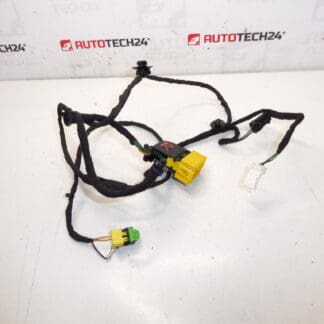
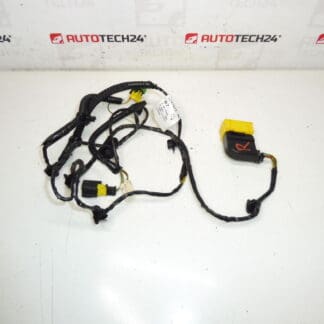
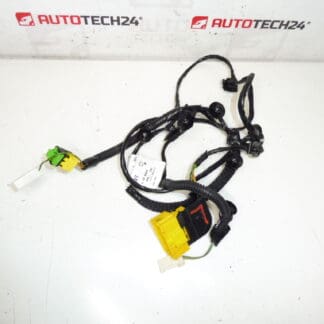
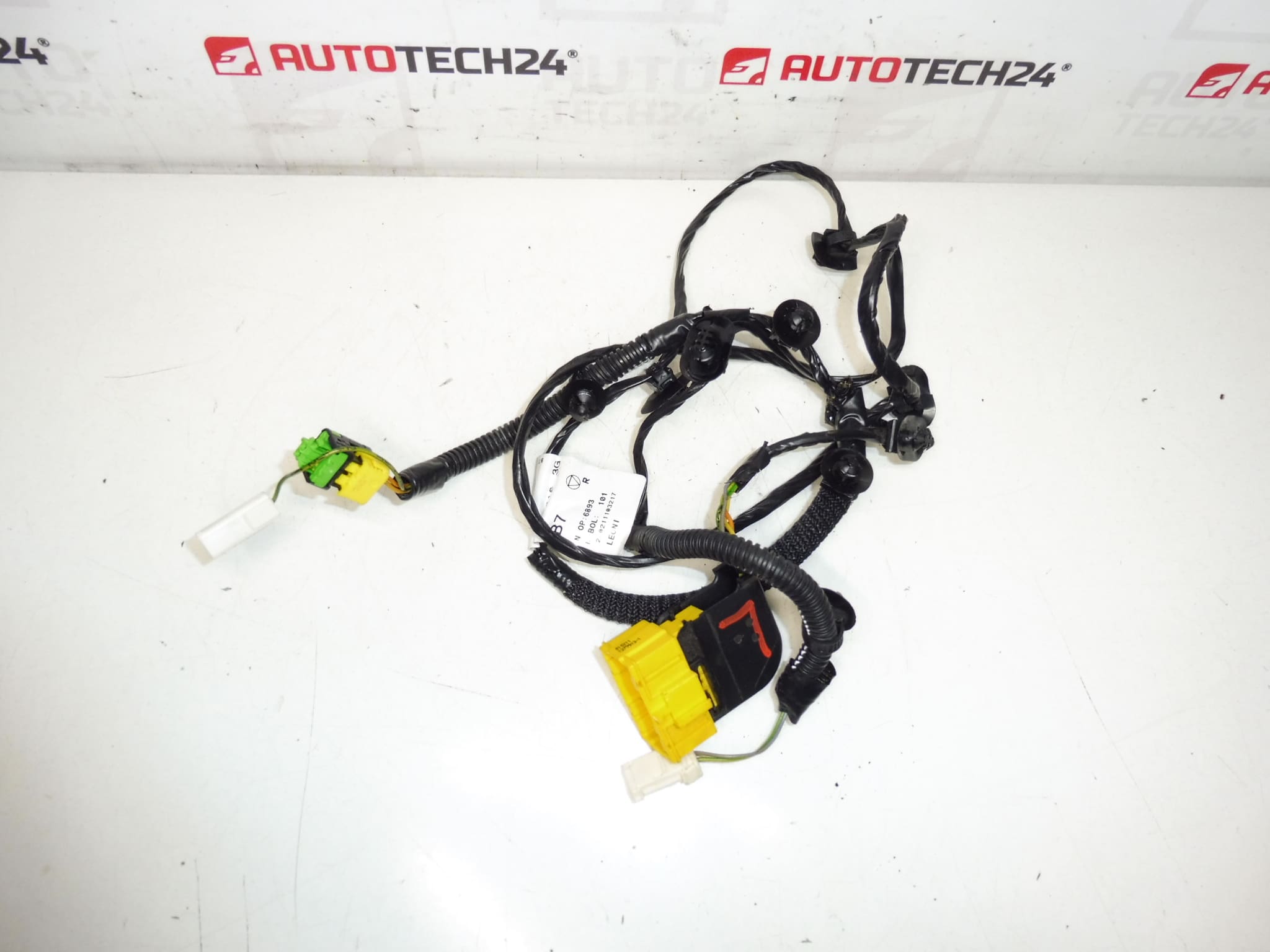
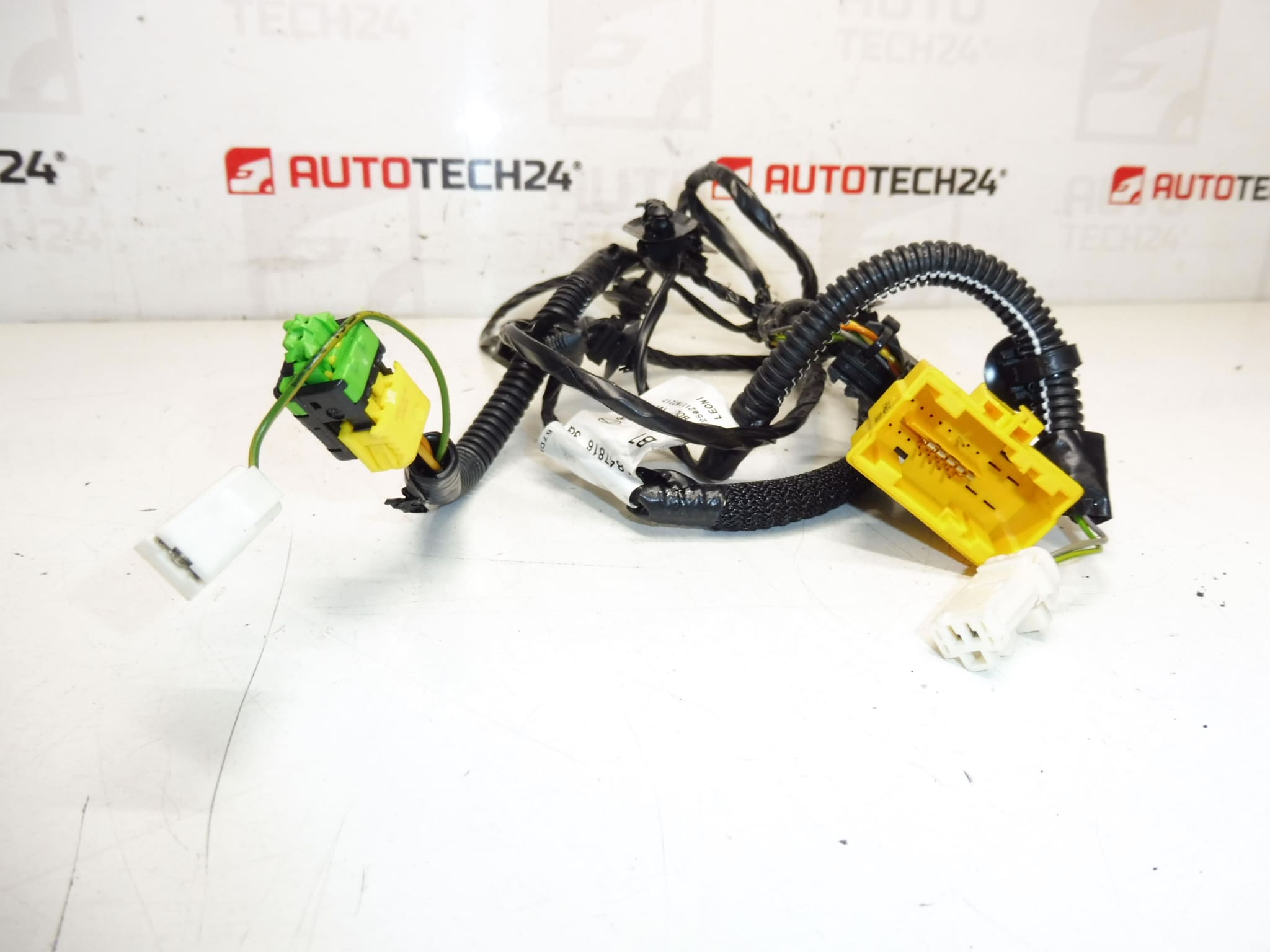
Complete front driver seat harness for CITROEN C4 B7
Product Overview
This genuine-style driver seat wiring harness is designed for the front left seat of the Citroën C4 B7 (C4 II). Supplied under code 6505G0, the harness restores electrical connectivity for seat functions and sensors after damage or wear. Built for professional garages and competent DIYers, this harness helps recover seat adjustment, switch inputs and the vehicle’s seat-related electrical circuits to original routing and connector standards.
Benefits And Applications
Ideal for mechanics and home repair enthusiasts who need a reliable replacement harness that fits directly into the original routing. Common search keywords include seat wiring harness, driver seat loom, seat cable harness, Citroën C4 wiring 6505G0 — making this part easy to find when searching by part number or vehicle model.
How The Part Works
The seat harness provides the electrical pathway between the vehicle wiring loom and the seat’s components: switches, motors, heating elements and seat sensors as fitted by the manufacturer. It keeps connectors secured and wires protected from abrasion and pinch points caused by seat movement.
Installation Recommendations
- Always Disconnect The Battery Before Starting Work To Prevent Short Circuits And Airbag System Faults.
- Remove The Seat Following Manufacturer Procedures: unbolt seat rails, tilt and lift carefully to access harness connectors.
- Label Or Photograph Connectors Before Disconnecting To Ensure Correct Reassembly.
- Route The New Harness Along Original Clips And Channels To Avoid Pinch Points; Replace Any Broken Clips.
- After Installation, Reconnect The Battery And Test All Seat Functions: adjustment motors, switches, heating (if present) and seat occupancy/belt buckle sensors where applicable.
- Use Dielectric Grease On Multi-Pin Connectors If Corrosion Is Present, And Secure Any Loose Sections With Cable Ties At Factory Points.
Why The Part Most Commonly Fails
Driver seat harnesses typically fail from repeated flexing where the harness passes between the seat and floor, causing internal wire breakage. Additional common causes include connector corrosion from moisture, damaged insulation from sharp edges or previous improper repairs, and mechanical damage from seat removal/installation. Symptoms include intermittent seat movement, non-functional switches, faulty heating operation, or airbag/seatbelt sensor fault codes.
Technical Information
- Manufacturer: Stellantis (Citroën)
- Model: Citroën C4 B7 (C4 II)
- Product Codes: 6505G0
- Additional Numbers: Not Provided
Compatibility And Fitment
Designed specifically for the front driver seat on Citroën C4 B7 vehicles. The part number 6505G0 is commonly used to locate the correct harness for these models. Verify visual match with the existing harness and connector types during replacement to ensure correct fitment.
Notes For Professionals
When replacing seat harnesses in workshop conditions, inspect seat frame mounting points and any nearby wiring for signs of abrasion. If fault codes related to seat sensors or airbags appear after replacement, perform a full diagnostic and clear codes following the manufacturer’s procedure.