Description
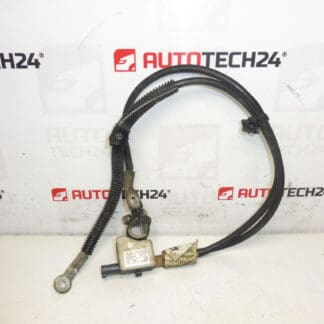
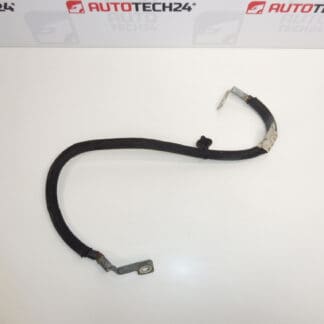
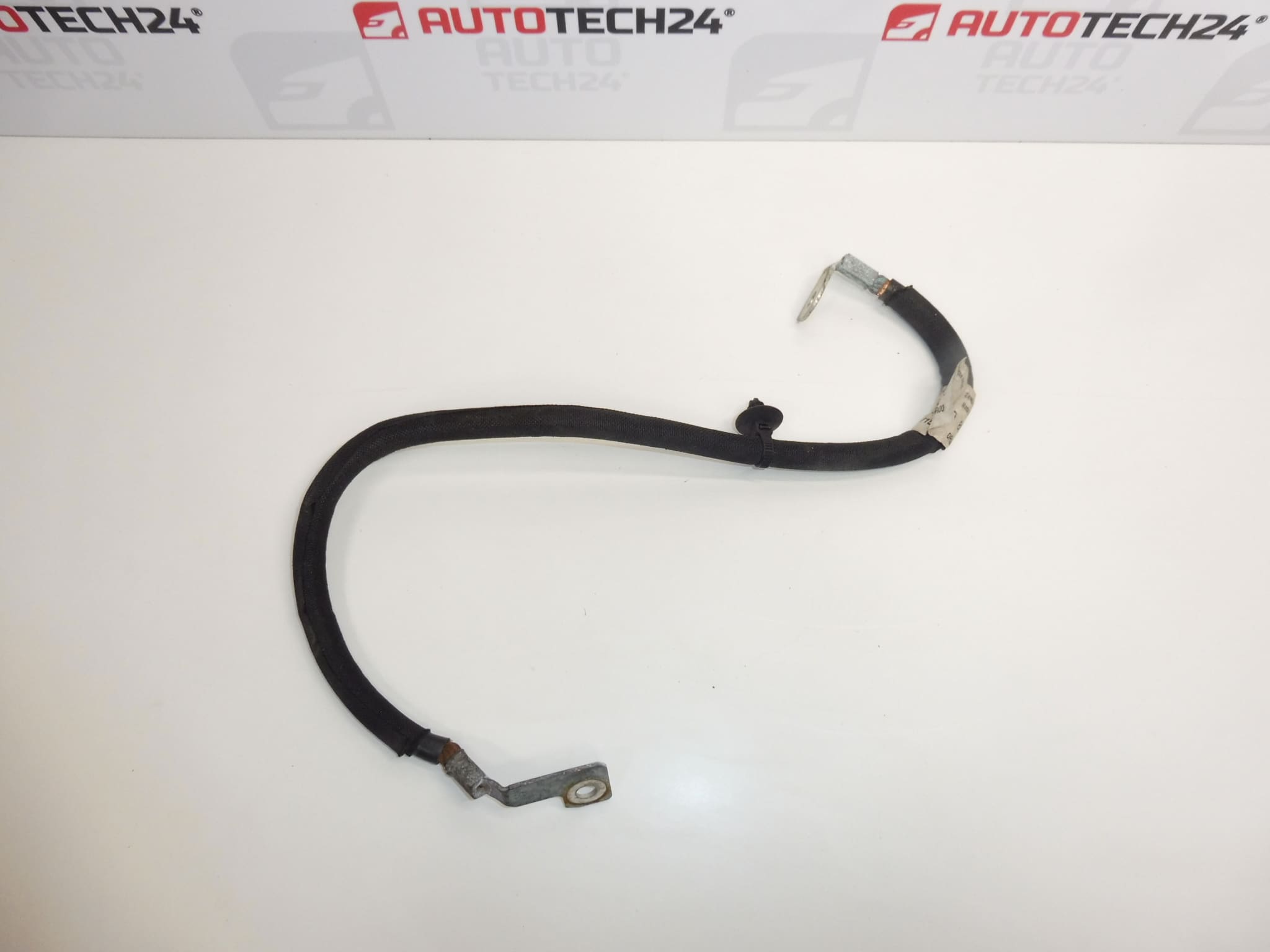
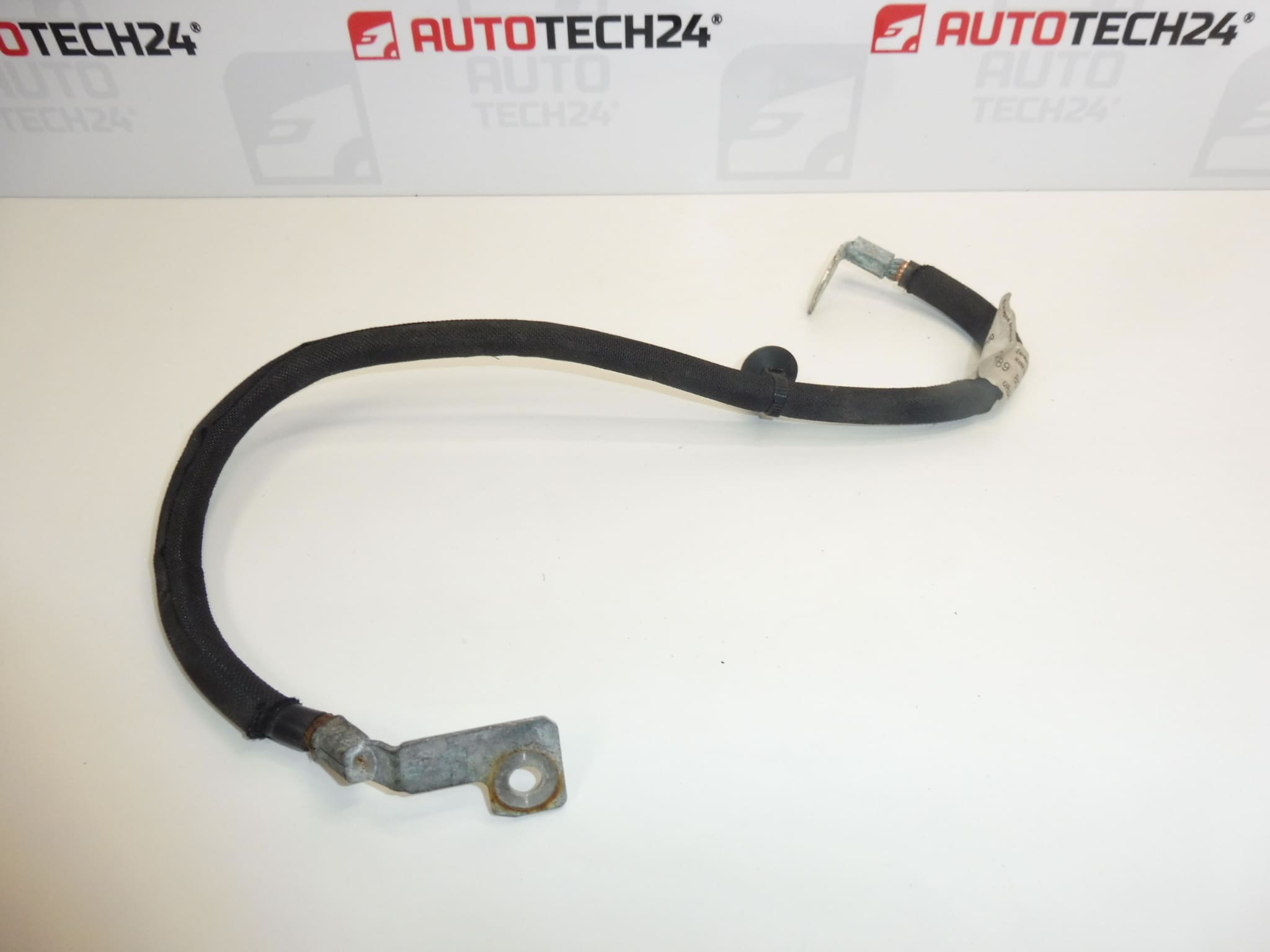
Negative battery terminal cable for Citroën and Peugeot vehicles
Part description
Used negative battery terminal cable 9676828980 connects the negative terminal of the car battery to the vehicle ground. A reliable connection is important for the proper operation of the starting, charging, and electrical systems. A damaged cable or poor contact can cause intermittent electrical faults and starting problems.
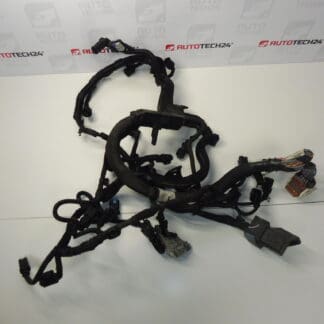
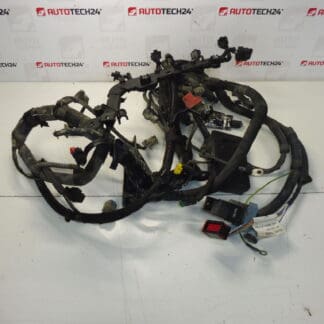
The available information lists the part for Citroen C5 X7 and Puegeot 508 models and in the 1.6 HDI engine wiring harness category. When selecting a part, refer in particular to the product number 9676828980 and compare its design with the original cable. This used part offers a cost-effective option for replacing a damaged cable, provided it matches the specific vehicle configuration.
Technical information
- Manufacturer: listed in the available information as Stellantis / CITROEN PEUGEOT
- Model: Citroen C5 X7 | Puegeot 508 (designation as shown on the supplied labels)
- Part type: negative battery terminal cable
- Condition: used automotive part
- Category: 1.6 HDI | Electrical components | Wiring harnesses | Engine wiring harnesses
- Other numbers: not specified
Product codes
- Product codes: 9676828980
Compare the number with the marking on the original part. Also check the cable length and routing, the shape of the terminals, the mounting points, and any branches or connectors.
Installation recommendations
General information for this type of part: the procedure below is a general recommendation for replacing a negative battery cable. The exact steps, access to connection points, and procedure for disconnecting and reconnecting the battery depend on the specific vehicle model and configuration. Follow the manufacturer’s service instructions.
1) Before installation
- Compare the product number, length, cross-section, and cable layout, as well as the design of all terminals, with the old part.
- Inspect the insulation, terminal clamp, cable lugs, and their connections. The cable must not have loose terminals, significant corrosion, signs of overheating, or damaged conductors.
- Also check the battery terminal and accessible connection surfaces. Replacing the cable alone will not resolve a fault caused by a damaged mating part or a corroded grounding point.
2) Tools and materials required
- Suitable hand wrenches or socket tools, depending on the fasteners used.
- Protective gloves and safety glasses, products for gently cleaning electrical contacts, and a clean cloth.
- A multimeter for checking the electrical connection; if tightening to a specified torque is required, an appropriate torque wrench.
3) Step-by-step installation procedure
- Park the vehicle safely, secure it against movement, switch off the ignition, and turn off all electrical accessories.
- Follow the manufacturer’s instructions to allow the electronic systems to enter sleep mode and prepare the vehicle for battery disconnection.
- Ensure safe access to the cable. Before removing it, take photos of its routing, fastenings, and individual connection points.
- Disconnect the negative battery terminal and secure it to prevent accidental contact with the terminal. Do not use a tool to connect the positive terminal to the body or to the negative terminal.
- Release the cable’s other terminals and clips. If the configuration includes a connector, disconnect it by holding the connector body after releasing the lock, not by pulling on the wires.
- Remove the original cable and compare the two parts side by side once more. Do not stretch or force an incompatible cable into place.
- Clean the contact surfaces and check the condition of the fasteners. Resolve any serious damage to the contacts or threads before proceeding.
- Route the replacement cable along the original path and secure it in the designated clips. It must not be taut, pinched, or in contact with sharp edges, hot parts, or moving components.
- Connect the terminals away from the battery and reconnect any connectors. Tighten the connections according to the manufacturer’s instructions without overloading the clamps or cable lugs.
- Reconnect the negative battery terminal last. If the positive terminal was also disconnected, it must be reconnected before the negative terminal. Complete the power restoration procedure specified by the vehicle manufacturer.
4) Post-installation checks and function verification
- Check that all connections are secure, the terminal clamp is properly seated, and the cable is routed safely.
- Test starting and the operation of electrical accessories. If problems persist, have the voltage drop on the negative circuit measured under load and the battery and charging system checked.
- If everything is in order, take a short test drive. After switching off the vehicle, check the fastenings again and look for any signs of connections overheating.
5) Common installation mistakes and how to avoid them
- Installing on oxidized surfaces: clean the contacts before assembly; otherwise, high contact resistance may remain.
- Connections that are too loose or too tight: follow the specified fastening method; the clamp must not rotate freely or become deformed.
- Incorrect cable routing: retain the original routing and clips to prevent vibration from causing chafing or fatigue damage.
- Reconnecting the battery too soon: restore power only after all connections are complete and the installation has been checked.
Reasons why the part may become damaged
The following are common causes of damage to negative battery cables; they do not describe the condition of this specific part:
- Moisture and corrosion on the terminal clamp, cable lugs, or inside connections.
- Loose contacts, which increase contact resistance and may cause localized overheating.
- Vibration and mechanical stress, especially when clips are missing or the cable is too taut.
- Chafed insulation against surrounding parts and heat damage caused by incorrect routing.
- Rough handling when replacing the battery, pulling on the cable, or overtightening the terminal clamp.