Description
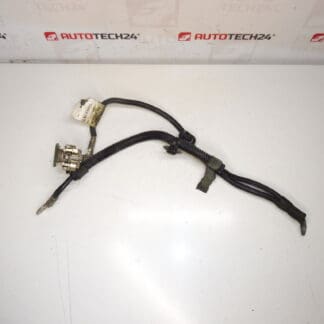
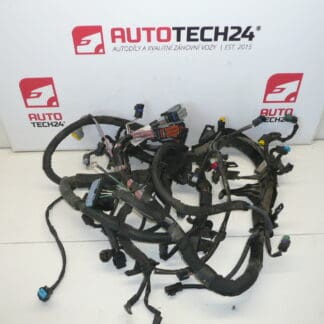
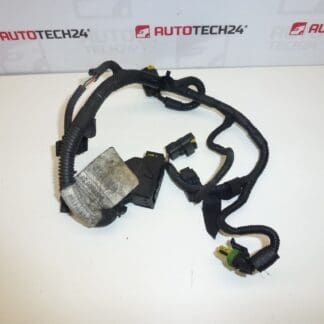
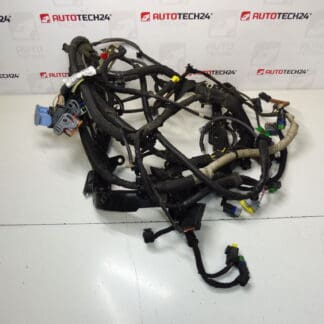
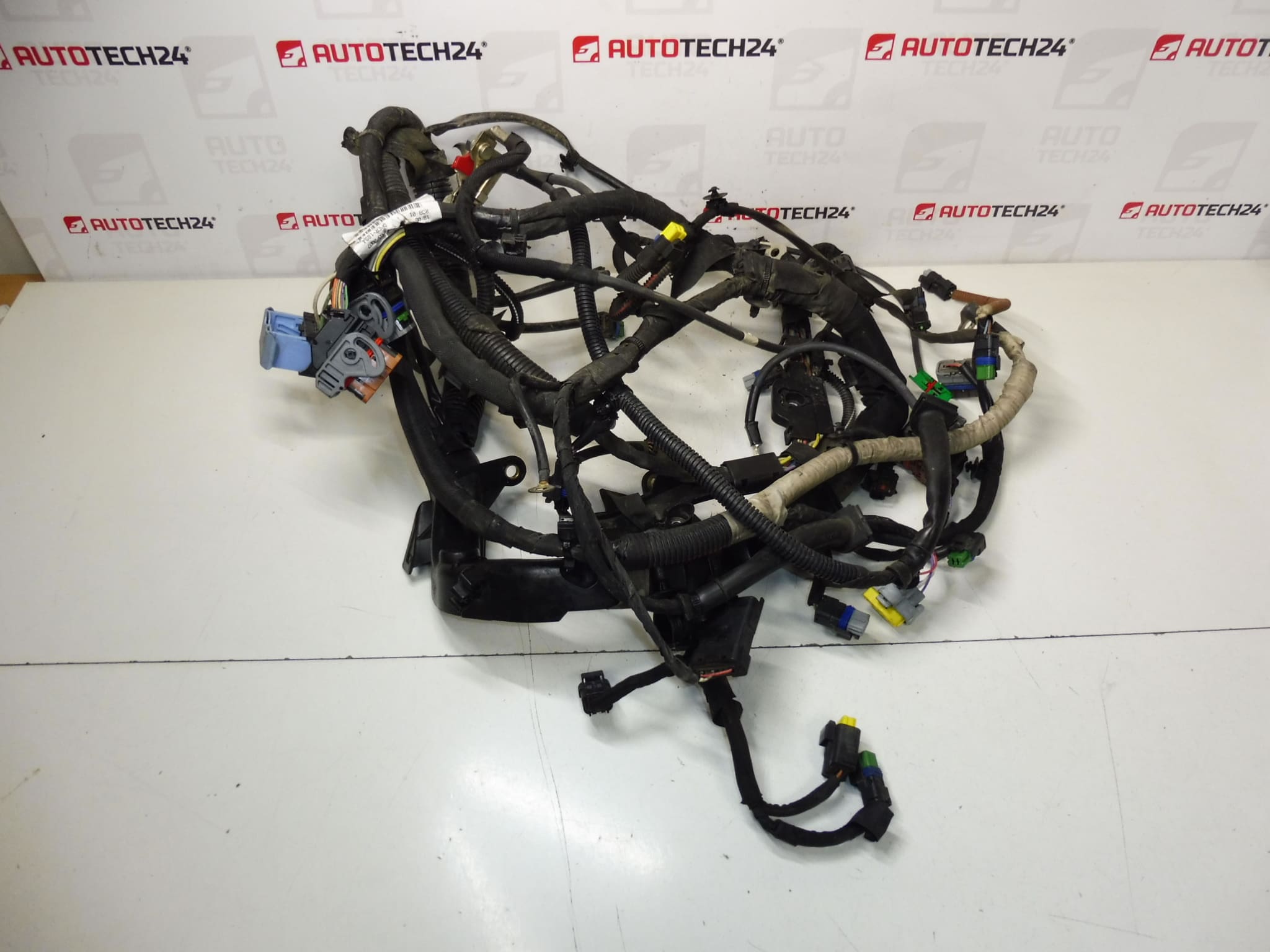
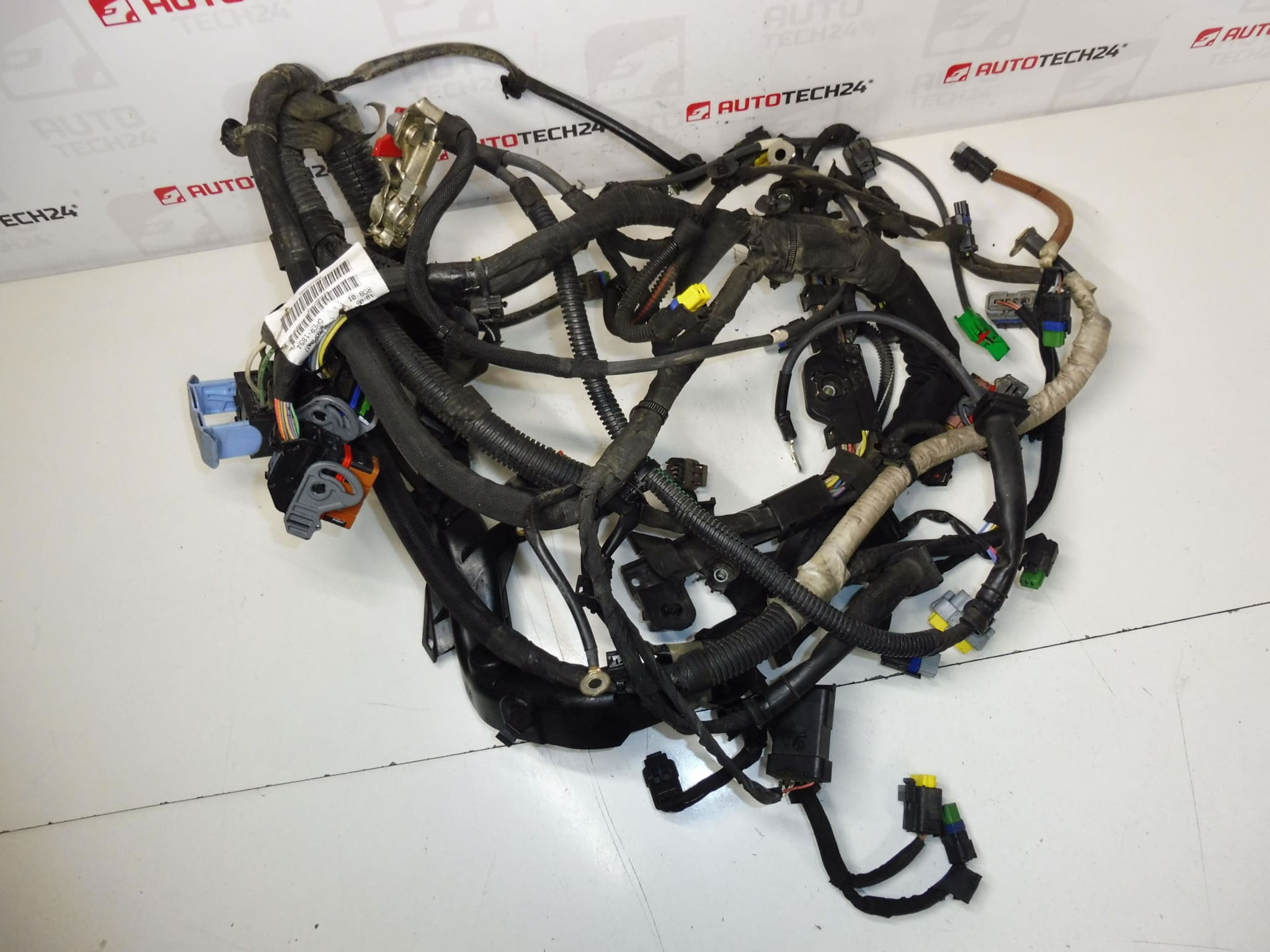
Complete Engine Wiring Harness from a Peugeot 207 1.6 HDi
This complete engine wiring harness (wiring loom) is a direct-fit replacement originally removed from a Peugeot 207 1.6 HDi. It carries the main engine electrical feed and signal circuits for sensors, actuators, injectors and auxiliary devices, making it a key component for reliable engine management and vehicle operation. Ideal for mechanics and DIY enthusiasts looking for the correct OEM-style harness by reference numbers 9664403580 and 6569NE.
Technical Information
- Manufacturer: Stellantis / Citroën / Peugeot
- Model: Peugeot 207 1.6 HDi
- Product Codes: 9664403580, 6569NE
- Other Numbers: 6569NE
Function And Key Features
The engine wiring harness routes power and signal lines between the Engine Control Unit (ECU), fuel injectors, crankshaft and camshaft sensors, turbocharger control (if fitted), glow plugs, alternator, starter motor and engine-mounted sensors. It includes multi-pin connectors, protective sheathing and routing clips designed to follow the factory harness path. Replacing a damaged harness restores electrical continuity and correct sensor/actuator communication, eliminating intermittent faults and critical engine management errors.
Fitment
Fits Peugeot 207 with 1.6 HDi diesel engine. The harness is identified by OEM reference numbers 9664403580 and 6569NE. It is commonly used across PSA/Stellantis 1.6 HDi applications that share the same engine loom layout. Always verify reference numbers on the original harness before installation.
Installation Recommendations
Prior To Work: Disconnect The Battery. Follow Manufacturer Procedures To Prevent Damage To Electronic Components. Carefully Document Routing And Connector Positions Before Removal.
- Disconnect battery negative terminal before starting.
- Remove engine covers, intake components or airbox as needed to access harness routing and connectors.
- Label or photograph connector positions to ensure correct reconnection.
- Release all retaining clips and fasteners; avoid excessive pulling on wires.
- Inspect connector pins and sensor sockets for corrosion or damage; repair or replace as needed.
- Secure the replacement harness with original clips and ties; avoid contact with hot exhaust parts or sharp edges.
- After Installation: Reconnect Battery, Clear Fault Codes With A Diagnostic Tool And Verify Engine Starts And Runs Smoothly.
Common Causes Of Failure
Engine wiring harnesses typically fail due to mechanical damage (abrasion, chafing against bodywork or engine components), heat ageing near exhaust or turbo areas, oil or coolant contamination causing insulation degradation, connector corrosion, or rodent chewing. Improper repairs or previous incorrect routing can also lead to broken wires or intermittent faults. Symptoms include engine misfires, loss of communication with sensors or actuators, warning lights, and erratic engine behavior.
Why Choose This Part
Using a harness that matches OEM reference numbers 9664403580 and 6569NE ensures correct connector layout and pinout for the Peugeot 207 1.6 HDi engine. This reduces installation time and risk of wiring errors compared to generic looms. Suitable for professional workshops and skilled DIY mechanics requiring a ready-to-fit harness that follows factory routing and connector types.
Additional Notes
Inspect surrounding components (heat shields, clips, loom grommets) during replacement to prevent repeat damage. If multiple electrical faults are present, check grounding points and ECU connectors as part of the diagnostic process.