Description
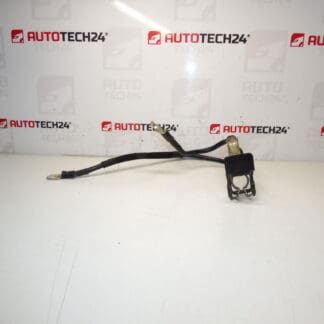
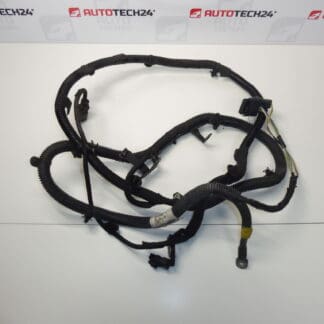
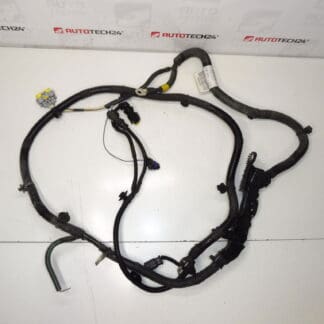
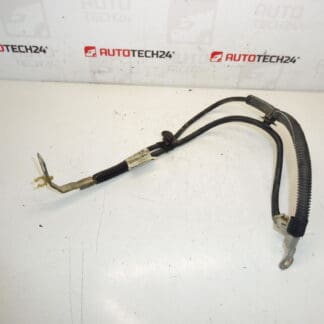
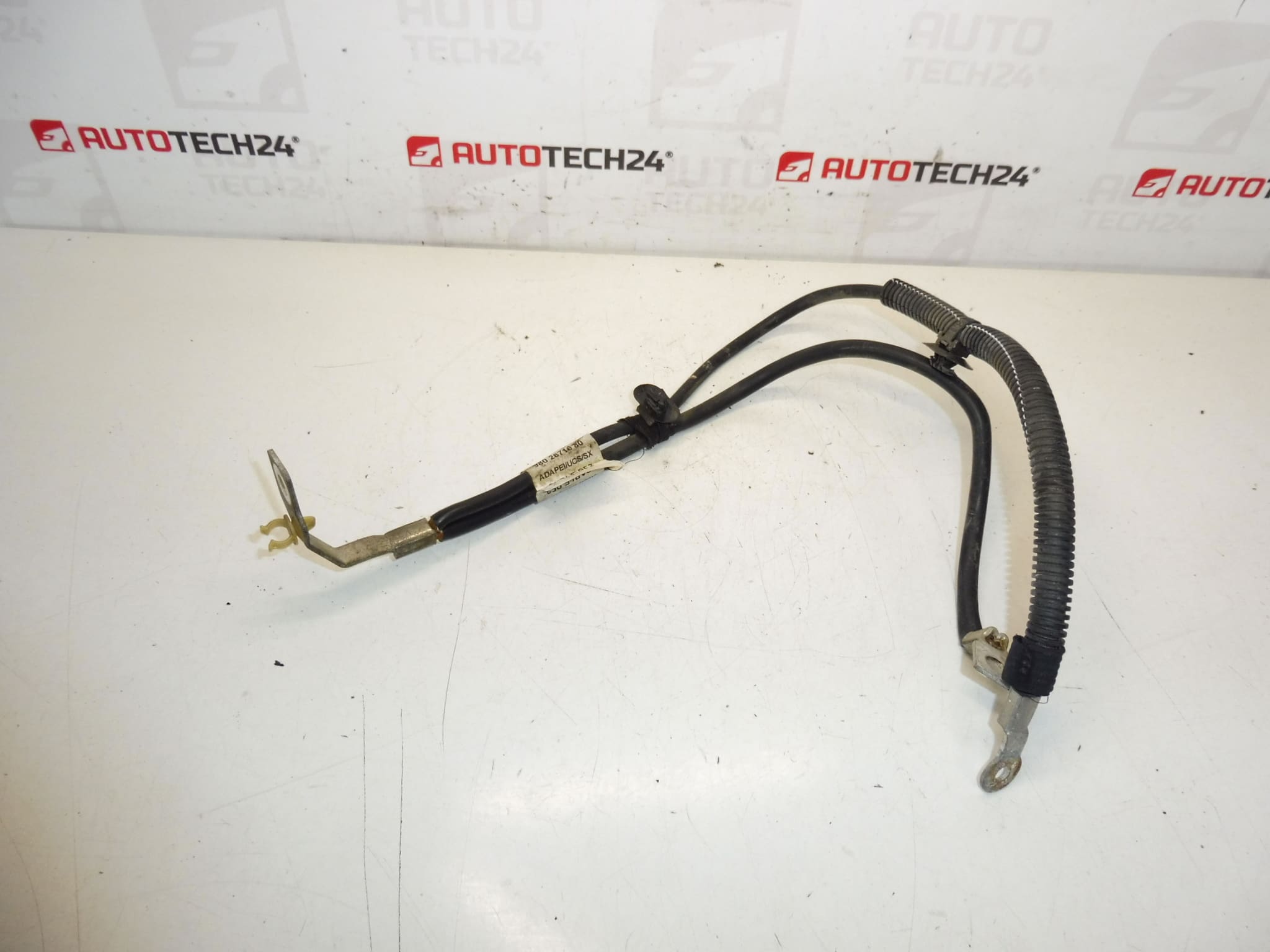
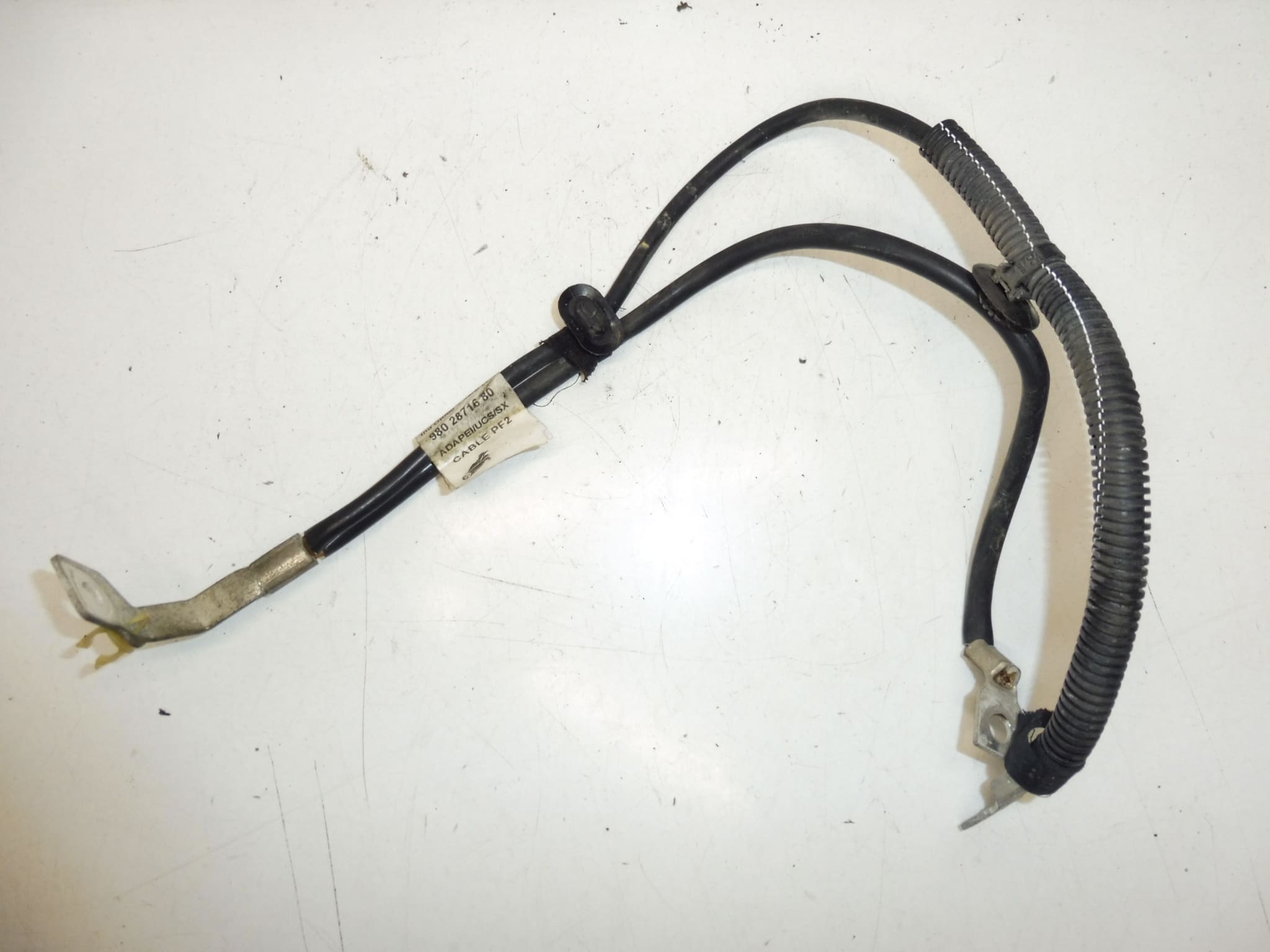
Negative Battery Cable For E‑HDi Engines For Citroën And Peugeot Vehicles
High-quality negative battery cable designed for e‑HDi diesel engines used in Citroën and Peugeot models. This replacement ground lead restores a reliable earth connection between the battery negative terminal and vehicle chassis/engine, eliminating starting and charging problems caused by high resistance, corrosion or broken conductors. Commonly searched by part numbers 9676812480, 9802870580, 9802871680 or 5638PR — ideal for mechanics and DIY enthusiasts who need a direct-fit, time-saving solution.
Fitment
Compatible With Common Models (examples): Citroën C4 II, Citroën C4 Picasso, Peugeot 308, Peugeot 3008 I, Peugeot 5008 I. Always check the pictured part and product codes to confirm fitment for the specific engine and year.
Function And Symptoms
The Negative Battery Cable Provides The Main Ground Path For The Vehicle’s Electrical System. It Ensures Proper Charging From The Alternator And Reliable Cranking From The Starter Motor. A Faulty Or High‑Resistance Ground May Cause Slow Cranking, Intermittent Starting, Battery Warning Lights, Erratic Electronics Or Loss Of Communication Between Modules.
Common Failure Causes
- Corrosion At Terminals Or Eyelets Due To Moisture, Road Salt Or Battery Acid.
- Mechanical Wear And Fatigue At Bends Or Attachment Points Leading To Broken Strands.
- Heat Exposure From Nearby Engine Components Causing Insulation Degradation.
- Poor Or Loose Clamping Resulting In Increased Contact Resistance.
Replacement And Installation
Replacement Is Straightforward For A Trained Mechanic Or Experienced DIYer. Follow These Key Steps:
- Wear Eye Protection And Gloves. Always Observe Battery Safety Rules.
- Before Any Work, Disconnect The Battery Starting With The Negative Terminal To Avoid Short Circuits.
- Note Routing And Attachment Points Of The Old Cable (Take Photos If Needed).
- Remove Terminal Clamp Bolts And Any Brackets Securing The Cable To Chassis Or Engine Block.
- Fit The New Cable In The Same Route, Ensure Clean Contact Surfaces On Battery Terminal And Chassis/Engine Ground Stud.
- Tighten Fasteners To Manufacturer Specifications And Reconnect Battery Negative Last.
- After Installation, Check For Stable Voltage At Startup And Confirm No Warning Lights Remain.
Technical Information
- Manufacturer: Stellantis (Citroën/Peugeot)
- Model: e‑HDi Engine Ground Cable
- Product Codes: 9676812480
- Other Numbers: 9802870580, 9802871680, 5638PR
Recommended For Installation
Ideal For Professional Garages And Skilled Home Mechanics. Use Appropriate Hand Tools And Follow Safe Battery Handling Practices. Replacing A Defective Ground Cable Restores Electrical Reliability And Prevents Intermittent Faults That Are Difficult To Diagnose.
Why Replace Now
Addressing A Weak Or Damaged Negative Cable Early Prevents Further Electrical Faults, Protects Sensitive Electronic Modules, And Ensures Consistent Starting And Charging Performance. Keep The Vehicle Reliable With A Correct‑Fit Replacement Backed By Known Part Numbers.
Order This Negative Battery Cable By Referencing The Product Codes Above To Find The Correct Fit Quickly And Get Your Vehicle Back To Dependable Operation.